- Onset
- 0–30 sec
- Total duration
- 4–5 hours
- After-effects
- Not specified
Iceland-based information service
Harm reduction saves lives
Practical, non-judgemental information about drugs, risks, first response, and where to get help in Iceland.
Write a story without an accountPilot versionGet in touch about support
Skaðaminnkunarbókin is still being developed
We are looking for partners and support to keep the site running, maintain the information, and improve accessibility.
Substance library
Common substances and drug classes
This list covers substances people may encounter, but it is not exhaustive. New and altered substances continue to appear.
47 results
Inside each entryOpen an entry to see effects, risks, safer-use advice, dose-reference limitations, emergency steps and sources.
Opioids
7OpioidsOpioids: general overviewopiates, heroin, fentanyl, methadone, buprenorphinePowerful pain-relieving substances that can slow or stop breathing.+
Urgent warning
Call 112 if
Very slow, irregular, or absent breathing; blue or grey lips; very small pupils; or no response.
Call 112Main risks
What matters most
- Overdose and respiratory arrest
- Unconsciousness and choking
- Dependence and rapidly changing tolerance
Mixing
Combining with other substances
Do not combine with benzodiazepines, GHB/GBL, alcohol, or other depressants. This greatly increases the risk of respiratory arrest.
Effects and risk reduction
Effects and safer use
Common effects
Relaxation, pain relief, drowsiness, and euphoria. The strength of illicit substances can be highly unpredictable.
If you choose to use
- Do not use alone
- Get free naloxone (from Frú Ragnheiður, Ylja, primary healthcare, or the police) and tell others where it is
- Assume your tolerance is lower after a break
Chemical structure
This name covers multiple molecules or unknown contents. A single structural formula cannot represent it; choose a specific substance to see its structure.
More information
Experience, timeline, emergency steps and sources
What the experience may feel like
The experience can include warmth, pain relief, relaxation, drowsiness, and a sense of distance from the surroundings. As the effect becomes stronger, speech, balance, and consciousness become impaired, and breathing can slow without the person realising the danger.
Duration by route
No single duration applies to this group or unknown contents. Choose a specific substance for route-specific information where available.
Source: PsychonautWiki · Data retrieved
Dose information
There is no single dose figure for opioids. Fentanyl, heroin, methadone, buprenorphine, and other opioids differ greatly in potency and duration. Numerical information is shown only inside a separately reviewed entry for the specific substance.
If the experience becomes an emergency
Emergency steps for Opioids: general overview
If the experience becomes an emergency
Emergency steps for Opioids: general overview
- Call 112 immediately if a person is unresponsive or is breathing slowly, irregularly, or not at all.
- If naloxone nasal spray (for example Nyxoid) is available, give one spray into one nostril as soon as opioid use is suspected.
- Wait 2–3 minutes. If there is no improvement or symptoms return, use a new device to give another dose into the other nostril.
- Provide rescue breathing or CPR as directed by 112 while waiting for the naloxone to work.
- If the person is breathing normally, place them in the recovery position, keep them warm, and stay with them until help arrives.
- Do not stop monitoring the person even if symptoms improve: naloxone can wear off before the overdose does, so symptoms can return. The person always needs professional assessment after naloxone is given.
Sources and limitations
PsychonautWiki and TripSit are community sources, not official medical guidance. Official emergency advice always takes priority when someone may be in danger. Where relevant, community information is compared with official health sources.
.
- PsychonautWiki: community-reported source
- PsychonautWiki: codeine
- PsychonautWiki: tramadol
- PsychonautWiki: morphine
- PsychonautWiki: oxycodone
- PsychonautWiki: fentanyl
- TripSit: Drug fact sheets and dosage guidelines
- TripSit: Overdose response
- EUDA 2026: Heroin and other opioids in Europe
- Icelandic Red Cross: first aid and naloxone
- Icelandic Medicines Compendium: Nyxoid instructions for use
OpioidMorphinemorfín, morphine sulfateA potent opioid for severe pain that can dangerously slow or stop breathing.+
Urgent warning
Call 112 if
Very slow, shallow, irregular, or absent breathing; blue or grey lips; very small pupils; snoring-like sounds; or no response.
Call 112Main risks
What matters most
- Overdose and respiratory arrest
- Unconsciousness, vomiting, and aspiration
- Dependence, constipation, and withdrawal
Mixing
Combining with other substances
Benzodiazepines, alcohol, gabapentinoids, GHB/GBL, and other depressants increase the risk of unconsciousness, respiratory arrest, and death.
Effects and risk reduction
Effects and safer use
Common effects
Pain relief, relaxation, drowsiness, euphoria, and nausea. Effects become less predictable after a break or with other depressants.
If you choose to use
- Only take medicines from a pharmacy that were prescribed to you
- Do not use alone and keep naloxone available
- Assume your tolerance is lower after a break and seek medical advice before stopping regular use
Chemistry
Chemical structure
![2D structural formula: Morphine. (4R,4aR,7S,7aR,12bS)-3-methyl-2,4,4a,7,7a,13-hexahydro-1H-4,12-methanobenzofuro[3,2-e]isoquinoline-7,9-diol](/chemical-structures/5288826.png)
MorphineC17H19NO3
PubChem · CID 5288826 ↗Exact molecular identity
(4R,4aR,7S,7aR,12bS)-3-methyl-2,4,4a,7,7a,13-hexahydro-1H-4,12-methanobenzofuro[3,2-e]isoquinoline-7,9-diol
Reference structures from PubChem. Salts and stereoisomers may differ; a diagram does not verify a product’s contents or purity. Select an image to enlarge it.
More information
Experience, timeline, dose references, emergency steps and sources
What the experience may feel like
Morphine is an opioid that can cause pain relief, warmth, relaxation, and drowsiness. As the effects become stronger, consciousness and breathing are impaired; a person may breathe slowly or stop breathing without realising the danger.
Duration by route
Onset is the time until the first effects. Total duration describes the main effects; after-effects are listed separately and may last longer.
- Onset
- 10–30 min
- Total duration
- 4–6 hours
- After-effects
- Not specified
These are estimated ranges from a community source, not medical safety limits. Amount, formulation, tolerance, combinations and individual differences affect timing. These ranges do not establish when it is safe to take more or drive. Not specified means the retrieved data has no figure, not that the time is zero.
Source: PsychonautWiki · Data retrieved
Dose ranges are not safety limits
These community-reported reference ranges come from PsychonautWiki and, where stated, TripSit. They are not necessarily pharmacologically or medically validated, do not identify a safe dose and are not a recommendation to use.
“Heavy” means a very large, high-risk amount, not a target. Serious harm, hospital admission or death can occur at much lower amounts. Strength, contents, route, tolerance, health, medicines and mixing can change the effects.
The cards reproduce every level shown by the named source. If a product contains an unknown or mislabelled substance, every dose figure may be irrelevant.
For this substance: The table republishes only the existing community-reported ranges for oral and intravenous morphine. It is not medical dosing advice, and the routes are not interchangeable. Tolerance, a break from use, formulation, health, and other depressants can change the risk substantially.
Morphine by route of administration
All five levels are user-reported guidelines from PsychonautWiki as retrieved on 22 July 2026. They are not medical dosing advice. “Heavy” is a high-risk category, not a recommendation, and routes of administration are not interchangeable. Amounts apply only to morphine and the route shown in the same row. They are not medical dosing advice and must not be converted between routes.
Morphine
RouteOral
- Threshold
- <10 mg
- Light
- 10–15 mg
- Common
- 15–20 mg
- Strong
- 20–30 mg
- Heavy
- ≥30 mg
Note: Oral bioavailability varies.
Morphine
RouteIntravenous
- Threshold
- <3.33 mg
- Light
- 3.33–5 mg
- Common
- 5–7.5 mg
- Strong
- 7.5–10 mg
- Heavy
- ≥10 mg
Note: Intravenous use acts faster and has a much narrower margin for error than oral use.
If the experience becomes an emergency
Emergency steps for Morphine
If the experience becomes an emergency
Emergency steps for Morphine
- Call 112 immediately if a person is unresponsive or is breathing slowly, irregularly, or not at all.
- If naloxone nasal spray (for example Nyxoid) is available, give one spray into one nostril as soon as opioid use is suspected.
- Wait 2–3 minutes. If there is no improvement or symptoms return, use a new device to give another dose into the other nostril.
- Provide rescue breathing or CPR as directed by 112 while waiting for the naloxone to work.
- If the person is breathing normally, place them in the recovery position, keep them warm, and stay with them until help arrives.
- Do not stop monitoring the person even if symptoms improve: naloxone can wear off before the overdose does, so symptoms can return. The person always needs professional assessment after naloxone is given.
Sources and limitations
PsychonautWiki and TripSit are community sources, not official medical guidance. Official emergency advice always takes priority when someone may be in danger. Where relevant, community information is compared with official health sources.
.
OpioidOxycodoneoxýkódón, OxyContin, OxyNormA potent opioid for severe pain. OxyContin is an extended-release oxycodone medicine, not a different active substance.+
Urgent warning
Call 112 if
Very slow, shallow, irregular, or absent breathing; blue or grey lips; very small pupils; snoring-like sounds; or no response.
Call 112Main risks
What matters most
- Overdose and respiratory arrest
- Potentially fatal rapid release if an extended-release tablet is crushed, chewed, or dissolved
- Counterfeit tablets with unknown or different contents
Mixing
Combining with other substances
Benzodiazepines, alcohol, gabapentinoids, GHB/GBL, and other depressants increase the risk of profound sedation, respiratory arrest, and death.
Effects and risk reduction
Effects and safer use
Common effects
Pain relief, relaxation, drowsiness, euphoria, nausea, and slower breathing. Extended-release medicines can have prolonged effects.
If you choose to use
- Only take medicines from a pharmacy that were prescribed to you, and never alter an extended-release tablet
- A tablet's appearance, imprint, or name does not confirm its contents
- Do not use alone and keep naloxone available
Chemistry
Chemical structure
![2D structural formula: Oxycodone. (4R,4aS,7aR,12bS)-4a-hydroxy-9-methoxy-3-methyl-2,4,5,6,7a,13-hexahydro-1H-4,12-methanobenzofuro[3,2-e]isoquinolin-7-one](/chemical-structures/5284603.png)
OxycodoneC18H21NO4
PubChem · CID 5284603 ↗Exact molecular identity
(4R,4aS,7aR,12bS)-4a-hydroxy-9-methoxy-3-methyl-2,4,5,6,7a,13-hexahydro-1H-4,12-methanobenzofuro[3,2-e]isoquinolin-7-one
Reference structures from PubChem. Salts and stereoisomers may differ; a diagram does not verify a product’s contents or purity. Select an image to enlarge it.
More information
Experience, timeline, dose references, emergency steps and sources
What the experience may feel like
Oxycodone is an opioid that can cause pain relief, relaxation, euphoria, and drowsiness. Excessive effects can lead to profound drowsiness, unresponsiveness, and life-threatening respiratory depression.
Duration by route
Onset is the time until the first effects. Total duration describes the main effects; after-effects are listed separately and may last longer.
- Onset
- 2–7 min
- Total duration
- 3–5 hours
- After-effects
- Not specified
- Onset
- 0–1 min
- Total duration
- 3–5 hours
- After-effects
- Not specified
- Onset
- 10–30 min
- Total duration
- 4–8 hours
- After-effects
- Not specified
- Onset
- Not specified
- Total duration
- 1–3 hours
- After-effects
- Not specified
These are estimated ranges from a community source, not medical safety limits. Amount, formulation, tolerance, combinations and individual differences affect timing. These ranges do not establish when it is safe to take more or drive. Not specified means the retrieved data has no figure, not that the time is zero.
Source: PsychonautWiki · Data retrieved
Dose ranges are not safety limits
These community-reported reference ranges come from PsychonautWiki and, where stated, TripSit. They are not necessarily pharmacologically or medically validated, do not identify a safe dose and are not a recommendation to use.
“Heavy” means a very large, high-risk amount, not a target. Serious harm, hospital admission or death can occur at much lower amounts. Strength, contents, route, tolerance, health, medicines and mixing can change the effects.
The cards reproduce every level shown by the named source. If a product contains an unknown or mislabelled substance, every dose figure may be irrelevant.
For this substance: The table shows only the existing community-reported ranges for oxycodone and the listed routes. It is not a prescription and does not automatically apply to OxyContin or any other specific formulation. A tablet marked OxyContin confirms neither its contents nor strength outside a secure medicine supply chain.
Oxycodone by route of administration
All five levels are user-reported guidelines from PsychonautWiki as retrieved on 22 July 2026. They are not medical dosing advice. “Heavy” is a high-risk category, not a recommendation, and routes of administration are not interchangeable. Amounts apply only to oxycodone and the route shown in the same row. They are not medical dosing advice and must not be used to alter an extended-release product.
Oxycodone
RouteSmoked
- Threshold
- 1 mg
- Light
- 1.5–8 mg
- Common
- 8–20 mg
- Strong
- 20–35 mg
- Heavy
- ≥30 mg
Note: The “Strong” and “Heavy” ranges overlap in the source; this underlines that the table does not show safety limits.
Oxycodone
RouteOral
- Threshold
- 1 mg
- Light
- 2.5–10 mg
- Common
- 10–25 mg
- Strong
- 25–40 mg
- Heavy
- ≥40 mg
Note: Counterfeit tablets may contain nitazenes or fentanyl.
Oxycodone
RouteIntranasal
- Threshold
- 1 mg
- Light
- 2.5–7.5 mg
- Common
- 7.5–15 mg
- Strong
- 15–25 mg
- Heavy
- ≥25 mg
Note: The potency and adulteration of powders are often unknown.
Oxycodone
RouteIntravenous
- Threshold
- 1 mg
- Light
- 2.5–5 mg
- Common
- 7.5–10 mg
- Strong
- 12.5–15 mg
- Heavy
- ≥15 mg
Note: There are gaps between categories in the source; do not fill them in by inference.
If the experience becomes an emergency
Emergency steps for Oxycodone
If the experience becomes an emergency
Emergency steps for Oxycodone
- Call 112 immediately if a person is unresponsive or is breathing slowly, irregularly, or not at all.
- If naloxone nasal spray (for example Nyxoid) is available, give one spray into one nostril as soon as opioid use is suspected.
- Wait 2–3 minutes. If there is no improvement or symptoms return, use a new device to give another dose into the other nostril.
- Provide rescue breathing or CPR as directed by 112 while waiting for the naloxone to work.
- If the person is breathing normally, place them in the recovery position, keep them warm, and stay with them until help arrives.
- Do not stop monitoring the person even if symptoms improve: naloxone can wear off before the overdose does, so symptoms can return. The person always needs professional assessment after naloxone is given.
Sources and limitations
PsychonautWiki and TripSit are community sources, not official medical guidance. Official emergency advice always takes priority when someone may be in danger. Where relevant, community information is compared with official health sources.
.
OpioidCodeinekódein, kódín, codeine phosphate, Parkódín, Parkódín forteAn opioid pain medicine that the body partly converts into morphine. Its effects and toxicity can therefore vary greatly between people.+
Urgent warning
Call 112 if
Very slow, shallow, or irregular breathing; blue or grey lips; small pupils; snoring-like sounds; or no response.
Call 112Main risks
What matters most
- Respiratory depression, unconsciousness, and overdose
- Unpredictable conversion into morphine due to CYP2D6
- Dependence and withdrawal
Mixing
Combining with other substances
Alcohol, benzodiazepines, sleeping medicines, gabapentinoids, other opioids, and other depressants increase the risk of profound sedation, respiratory depression, and death.
Effects and risk reduction
Effects and safer use
Common effects
Pain relief, drowsiness, relaxation, nausea, and constipation. Stronger effects can slow breathing and impair consciousness.
If you choose to use
- Only take medicines from a pharmacy that were prescribed to you
- Check whether the medicine also contains paracetamol and do not take other paracetamol medicines with it
- Do not use alone and keep naloxone available
Chemistry
Chemical structure
![2D structural formula: Codeine. (4R,4aR,7S,7aR,12bS)-9-methoxy-3-methyl-2,4,4a,7,7a,13-hexahydro-1H-4,12-methanobenzofuro[3,2-e]isoquinolin-7-ol](/chemical-structures/5284371.png)
CodeineC18H21NO3
PubChem · CID 5284371 ↗Exact molecular identity
(4R,4aR,7S,7aR,12bS)-9-methoxy-3-methyl-2,4,4a,7,7a,13-hexahydro-1H-4,12-methanobenzofuro[3,2-e]isoquinolin-7-ol
Reference structures from PubChem. Salts and stereoisomers may differ; a diagram does not verify a product’s contents or purity. Select an image to enlarge it.
More information
Experience, timeline, dose references, emergency steps and sources
What the experience may feel like
Codeine is an opioid that can cause pain relief, drowsiness, relaxation, nausea, and constipation. The body converts some codeine into morphine, so its effects may be weak in one person but dangerously strong in another.
Duration by route
Onset is the time until the first effects. Total duration describes the main effects; after-effects are listed separately and may last longer.
- Onset
- 30–45 min
- Total duration
- 3–6 hours
- After-effects
- Not specified
These are estimated ranges from a community source, not medical safety limits. Amount, formulation, tolerance, combinations and individual differences affect timing. These ranges do not establish when it is safe to take more or drive. Not specified means the retrieved data has no figure, not that the time is zero.
Source: PsychonautWiki · Data retrieved
Dose ranges are not safety limits
These community-reported reference ranges come from PsychonautWiki and, where stated, TripSit. They are not necessarily pharmacologically or medically validated, do not identify a safe dose and are not a recommendation to use.
“Heavy” means a very large, high-risk amount, not a target. Serious harm, hospital admission or death can occur at much lower amounts. Strength, contents, route, tolerance, health, medicines and mixing can change the effects.
The cards reproduce every level shown by the named source. If a product contains an unknown or mislabelled substance, every dose figure may be irrelevant.
For this substance: The table republishes PsychonautWiki’s user-reported ranges for oral codeine. It is not medical dosing advice or a safety limit. Conversion of codeine into morphine varies between people, and Parkódín and Parkódín forte also contain paracetamol, which can cause severe liver injury in overdose.
Codeine by route of administration
All five levels are user-reported guidelines from PsychonautWiki as retrieved on 10 September 2026. They are not medical dosing advice. “Heavy” is a high-risk category, not a recommendation, and routes of administration are not interchangeable. The amounts apply only to oral codeine. Conversion to morphine, formulation, and other active ingredients can change the risk substantially.
Codeine
RouteOral
- Threshold
- 30 mg
- Light
- 50–100 mg
- Common
- 100–150 mg
- Strong
- 150–200 mg
- Heavy
- ≥200 mg
Note: Conversion to morphine varies greatly between people. Combination medicines may also contain paracetamol, which can cause severe liver injury.
If the experience becomes an emergency
Emergency steps for Codeine
If the experience becomes an emergency
Emergency steps for Codeine
- Call 112 immediately if a person is unresponsive or is breathing slowly, irregularly, or not at all.
- If naloxone nasal spray (for example Nyxoid) is available, give one spray into one nostril as soon as opioid use is suspected.
- Wait 2–3 minutes. If there is no improvement or symptoms return, use a new device to give another dose into the other nostril.
- Provide rescue breathing or CPR as directed by 112 while waiting for the naloxone to work.
- If the person is breathing normally, place them in the recovery position, keep them warm, and stay with them until help arrives.
- Do not stop monitoring the person even if symptoms improve: naloxone can wear off before the overdose does, so symptoms can return. The person always needs professional assessment after naloxone is given.
- If Parkódín or another combination medicine may be involved, urgent assessment is also needed because of paracetamol. Call the Poison Information Centre on 543 2222 immediately, or 112 in an emergency, even if early symptoms seem mild.
Sources and limitations
PsychonautWiki and TripSit are community sources, not official medical guidance. Official emergency advice always takes priority when someone may be in danger. Where relevant, community information is compared with official health sources.
.
OpioidTramadoltramadól, tramadol hydrochloride, Tradolan, Tramol-L, Tramadol Actavis, Tramadol KrkaAn opioid pain medicine that also affects noradrenaline and serotonin. It carries particular risks of seizures and serotonin syndrome.+
Urgent warning
Call 112 if
Slow or irregular breathing, no response, a seizure, or a high temperature with agitation, confusion, tremor, or muscle rigidity.
Call 112Main risks
What matters most
- Respiratory depression, unconsciousness, and overdose
- Seizures
- Serotonin syndrome, dependence, and withdrawal
Mixing
Combining with other substances
Alcohol, benzodiazepines, and other depressants increase breathing risks. SSRIs, SNRIs, MAO inhibitors, and other serotonergic substances can increase the risk of serotonin syndrome and seizures.
Effects and risk reduction
Effects and safer use
Common effects
Pain relief, sedating effects, drowsiness, dizziness, nausea, sweating, and constipation. Stronger effects can impair consciousness and breathing.
If you choose to use
- Only take medicines from a pharmacy that were prescribed to you
- Do not use alone and keep naloxone available
- Seek medical advice before stopping regular use
Chemistry
Chemical structure
![2D structural formula: Tramadol. cis-(1R,2R)-2-[(dimethylamino)methyl]-1-(3-methoxyphenyl)cyclohexan-1-ol](/chemical-structures/33741.png)
TramadolC16H25NO2
PubChem · CID 33741 ↗Exact molecular identity
cis-(1R,2R)-2-[(dimethylamino)methyl]-1-(3-methoxyphenyl)cyclohexan-1-ol
Reference structures from PubChem. Salts and stereoisomers may differ; a diagram does not verify a product’s contents or purity. Select an image to enlarge it.
More information
Experience, timeline, dose references, emergency steps and sources
What the experience may feel like
Tramadol is an opioid pain medicine that can cause pain relief, drowsiness, dizziness, nausea, and sweating. It also affects noradrenaline and serotonin, so it can cause seizures or serotonin syndrome as well as typical opioid poisoning.
Duration by route
Onset is the time until the first effects. Total duration describes the main effects; after-effects are listed separately and may last longer.
- Onset
- 15–60 min
- Total duration
- 6–10 hours
- After-effects
- Not specified
These are estimated ranges from a community source, not medical safety limits. Amount, formulation, tolerance, combinations and individual differences affect timing. These ranges do not establish when it is safe to take more or drive. Not specified means the retrieved data has no figure, not that the time is zero.
Source: PsychonautWiki · Data retrieved
Dose ranges are not safety limits
These community-reported reference ranges come from PsychonautWiki and, where stated, TripSit. They are not necessarily pharmacologically or medically validated, do not identify a safe dose and are not a recommendation to use.
“Heavy” means a very large, high-risk amount, not a target. Serious harm, hospital admission or death can occur at much lower amounts. Strength, contents, route, tolerance, health, medicines and mixing can change the effects.
The cards reproduce every level shown by the named source. If a product contains an unknown or mislabelled substance, every dose figure may be irrelevant.
For this substance: The table republishes PsychonautWiki’s user-reported ranges for oral tramadol. It is not medical dosing advice or a safety limit. Seizures have occurred during ordinary medical use, and the risk rises with larger amounts, other medicines that lower the seizure threshold, and serotonergic substances.
Tramadol by route of administration
All five levels are user-reported guidelines from PsychonautWiki as retrieved on 10 September 2026. They are not medical dosing advice. “Heavy” is a high-risk category, not a recommendation, and routes of administration are not interchangeable. The amounts apply only to oral tramadol. Seizures and serotonin syndrome can occur within or below the published ranges.
Tramadol
RouteOral
- Threshold
- 25 mg
- Light
- 25–100 mg
- Common
- 100–250 mg
- Strong
- 250–300 mg
- Heavy
- ≥300 mg
Note: Seizures and serotonin syndrome can occur; risk increases with substances including MDMA, stimulants, and many antidepressants.
If the experience becomes an emergency
Emergency steps for Tramadol
If the experience becomes an emergency
Emergency steps for Tramadol
- Call 112 immediately for slow or abnormal breathing, no response, a seizure, or a high temperature with agitation, confusion, tremor, or muscle rigidity.
- If breathing is not normal, provide rescue breathing or CPR as directed by 112.
- Give naloxone if opioid-related respiratory depression is suspected and naloxone is available. It may reverse respiratory depression but does not treat seizures or serotonin syndrome.
- If the person is breathing normally, place them in the recovery position, stay with them, and monitor them continuously until help arrives.
Sources and limitations
PsychonautWiki and TripSit are community sources, not official medical guidance. Official emergency advice always takes priority when someone may be in danger. Where relevant, community information is compared with official health sources.
.
Highly potent opioidFentanylfentanýl, fentanyl patchA highly potent pharmaceutical opioid where a small amount or the wrong formulation can cause life-threatening respiratory depression.+
Urgent warning
Call 112 if
Very slow or absent breathing; blue or grey lips; rigidity; snoring-like sounds; or no response.
Call 112Main risks
What matters most
- Very rapid respiratory arrest
- A microgram error or the wrong formulation
- Counterfeit medicines or powders with unknown contents
Mixing
Combining with other substances
Alcohol, benzodiazepines, GHB/GBL, gabapentinoids, and other depressants can cause fatal respiratory depression.
Effects and risk reduction
Effects and safer use
Common effects
Powerful pain relief, drowsiness, and slower breathing. An overdose can develop quickly and without a clear warning.
If you choose to use
- Only take pharmacy-supplied fentanyl prescribed to you
- Do not use alone and keep naloxone available
- The appearance of a tablet, powder, or patch does not confirm its contents outside a secure medicine supply chain
Chemistry
Chemical structure
![2D structural formula: Fentanyl. N-phenyl-N-[1-(2-phenylethyl)piperidin-4-yl]propanamide](/chemical-structures/3345.png)
FentanylC22H28N2O
PubChem · CID 3345 ↗Exact molecular identity
N-phenyl-N-[1-(2-phenylethyl)piperidin-4-yl]propanamide
Reference structures from PubChem. Salts and stereoisomers may differ; a diagram does not verify a product’s contents or purity. Select an image to enlarge it.
More information
Experience, timeline, emergency steps and sources
What the experience may feel like
Fentanyl can cause powerful pain relief and drowsiness, but respiratory depression can develop very quickly. A microgram error or the wrong formulation can be fatal.
Duration by route
Onset is the time until the first effects. Total duration describes the main effects; after-effects are listed separately and may last longer.
- Onset
- 15–30 min
- Total duration
- 1–4 hours
- After-effects
- Not specified
- Onset
- 15–30 min
- Total duration
- 1–4 hours
- After-effects
- Not specified
- Onset
- 2–4 hours
- Total duration
- 48–72 hours
- After-effects
- Not specified
These are estimated ranges from a community source, not medical safety limits. Amount, formulation, tolerance, combinations and individual differences affect timing. These ranges do not establish when it is safe to take more or drive. Not specified means the retrieved data has no figure, not that the time is zero.
Source: PsychonautWiki · Data retrieved
Dose information
No numerical community dose table is published; the wrong unit, an unknown concentration, or uneven distribution can cause death.
If the experience becomes an emergency
Emergency steps for Fentanyl
If the experience becomes an emergency
Emergency steps for Fentanyl
- Call 112 immediately if a person is unresponsive or is breathing slowly, irregularly, or not at all.
- If naloxone nasal spray (for example Nyxoid) is available, give one spray into one nostril as soon as opioid use is suspected.
- Wait 2–3 minutes. If there is no improvement or symptoms return, use a new device to give another dose into the other nostril.
- Provide rescue breathing or CPR as directed by 112 while waiting for the naloxone to work.
- If the person is breathing normally, place them in the recovery position, keep them warm, and stay with them until help arrives.
- Do not stop monitoring the person even if symptoms improve: naloxone can wear off before the overdose does, so symptoms can return. The person always needs professional assessment after naloxone is given.
Sources and limitations
PsychonautWiki and TripSit are community sources, not official medical guidance. Official emergency advice always takes priority when someone may be in danger. Where relevant, community information is compared with official health sources.
.
Highly potent synthetic opioidsNitazene opioidsnitazenes, nitazene, isotonitazene, protonitazene, metonitazene, counterfeit painkillersHighly potent synthetic opioids that may be hidden in powders or counterfeit tablets and can cause sudden respiratory arrest.+
Urgent warning
Call 112 if
Very slow or absent breathing, blue or grey lips, small pupils, snoring-like sounds, or no response.
Call 112Main risks
What matters most
- Very rapid overdose and respiratory arrest
- Mislabelled tablets or mixtures
- Repeated doses of naloxone may be needed
Mixing
Combining with other substances
Do not combine with alcohol, benzodiazepines, GHB/GBL, pregabalin, or other depressants.
Effects and risk reduction
Effects and safer use
Common effects
Relaxation, pain relief, drowsiness, and euphoria. The actual contents and strength may be unknown.
If you choose to use
- Assume an unknown powder or tablet may contain a potent opioid
- Do not use alone and keep naloxone available
- Start CPR as instructed by 112 if breathing is not normal
Chemical structure
This name covers multiple molecules or unknown contents. A single structural formula cannot represent it; choose a specific substance to see its structure.
More information
Experience, timeline, emergency steps and sources
What the experience may feel like
Nitazenes can resemble other opioids, causing relaxation, pain relief, drowsiness, and euphoria. Breathing and consciousness can, however, become impaired very quickly, especially when a nitazene is hidden in a product sold as another substance.
Duration by route
No single duration applies to this group or unknown contents. Choose a specific substance for route-specific information where available.
Source: PsychonautWiki · Data retrieved
Dose information
No dose amount is published. Nitazenes vary in potency, can be much more potent than many other opioids, and may be distributed unevenly through powder or counterfeit tablets.
If the experience becomes an emergency
Emergency steps for Nitazene opioids
If the experience becomes an emergency
Emergency steps for Nitazene opioids
- Call 112 immediately if a person is unresponsive or is breathing slowly, irregularly, or not at all.
- If naloxone nasal spray (for example Nyxoid) is available, give one spray into one nostril as soon as opioid use is suspected.
- Wait 2–3 minutes. If there is no improvement or symptoms return, use a new device to give another dose into the other nostril.
- Provide rescue breathing or CPR as directed by 112 while waiting for the naloxone to work.
- If the person is breathing normally, place them in the recovery position, keep them warm, and stay with them until help arrives.
- Do not stop monitoring the person even if symptoms improve: naloxone can wear off before the overdose does, so symptoms can return. The person always needs professional assessment after naloxone is given.
Sources and limitations
PsychonautWiki and TripSit are community sources, not official medical guidance. Official emergency advice always takes priority when someone may be in danger. Where relevant, community information is compared with official health sources.
.
Sedatives and depressants
16Sedatives and depressantsBenzodiazepines: general overviewbenzos, Sobril/oxazepam, Rivotril/clonazepam, Mogadon/nitrazepamAnti-anxiety and sedative medicines that can cause drowsiness, memory loss, and impaired balance.+
Urgent warning
Call 112 if
Difficult to wake, very slow breathing, confusion, repeated vomiting, or unconsciousness.
Call 112Main risks
What matters most
- Memory loss and accidents
- Impaired consciousness
- Severe withdrawal after regular use
Mixing
Combining with other substances
Especially dangerous with opioids, alcohol, GHB/GBL, and other depressant medicines.
Effects and risk reduction
Effects and safer use
Common effects
Relaxation, reduced anxiety, drowsiness, and slower reactions.
If you choose to use
- Only take medicines from a pharmacy that were prescribed to you
- Do not drive or go near water or heights
- Do not stop suddenly after regular use. Seek medical advice
Chemical structure
This name covers multiple molecules or unknown contents. A single structural formula cannot represent it; choose a specific substance to see its structure.
More information
Experience, timeline, emergency steps and sources
What the experience may feel like
Common effects include reduced anxiety, relaxation, drowsiness, and emotional detachment. Memory loss, impaired judgement, and unsteadiness can increase quickly, and a person may appear awake but remember very little later.
Duration by route
No single duration applies to this group or unknown contents. Choose a specific substance for route-specific information where available.
Source: PsychonautWiki · Data retrieved
Dose information
There is no single dose figure for benzodiazepines. Milligrams of one medicine are not equivalent to milligrams of another, and numerical information is shown only inside a separately reviewed entry for the specific medicine.
If the experience becomes an emergency
Emergency steps for Benzodiazepines: general overview
If the experience becomes an emergency
Emergency steps for Benzodiazepines: general overview
- Stop all further use and do not give food, drink, or any other substances.
- Check responsiveness and breathing. Call 112 if the person is difficult to wake, is breathing abnormally, vomits while their consciousness is impaired, or has a seizure.
- If the person is breathing normally, place them in the recovery position and monitor their breathing continuously.
- Give naloxone only when opioid use is suspected. Naloxone does not reverse alcohol, GHB, or benzodiazepines on their own.
Sources and limitations
PsychonautWiki and TripSit are community sources, not official medical guidance. Official emergency advice always takes priority when someone may be in danger. Where relevant, community information is compared with official health sources.
.
BenzodiazepineAlprazolamalprazólam, Xanax, Xanor, TafilA short-acting anti-anxiety benzodiazepine that can cause profound drowsiness, memory loss, and dependence.+
Urgent warning
Call 112 if
The person is difficult to wake, breathing is slow or abnormal, lips become blue or grey, they vomit while consciousness is impaired, or they do not respond.
Call 112Main risks
What matters most
- Memory loss, falls, and accidents
- Respiratory depression and coma when mixed
- Severe withdrawal and seizures if stopped suddenly
Mixing
Combining with other substances
Opioids, alcohol, GHB/GBL, and other depressants can cause profound sedation, respiratory depression, coma, and death.
Effects and risk reduction
Effects and safer use
Common effects
Reduced anxiety, relaxation, drowsiness, slower reactions, and sometimes memory loss or impaired judgement.
If you choose to use
- Only take medicines from a pharmacy that were prescribed to you
- A tablet's appearance, imprint, or name does not confirm its contents
- Do not stop suddenly after regular use; seek medical advice
Chemistry
Chemical structure
![2D structural formula: Alprazolam. 8-chloro-1-methyl-6-phenyl-4H-[1,2,4]triazolo[4,3-a][1,4]benzodiazepine](/chemical-structures/2118.png)
AlprazolamC17H13ClN4
PubChem · CID 2118 ↗Exact molecular identity
8-chloro-1-methyl-6-phenyl-4H-[1,2,4]triazolo[4,3-a][1,4]benzodiazepine
Reference structures from PubChem. Salts and stereoisomers may differ; a diagram does not verify a product’s contents or purity. Select an image to enlarge it.
More information
Experience, timeline, dose references, emergency steps and sources
What the experience may feel like
Alprazolam is a benzodiazepine that can reduce anxiety but can also cause drowsiness, unsteadiness, impaired judgement, and memory loss. A person may appear awake but remember very little later.
Duration by route
Onset is the time until the first effects. Total duration describes the main effects; after-effects are listed separately and may last longer.
- Onset
- 5–10 sec
- Total duration
- 4–5 hours
- After-effects
- Not specified
- Onset
- 15–30 min
- Total duration
- 6–8 hours
- After-effects
- 6–24 hours
These are estimated ranges from a community source, not medical safety limits. Amount, formulation, tolerance, combinations and individual differences affect timing. These ranges do not establish when it is safe to take more or drive. Not specified means the retrieved data has no figure, not that the time is zero.
Source: PsychonautWiki · Data retrieved
Dose ranges are not safety limits
These community-reported reference ranges come from PsychonautWiki and, where stated, TripSit. They are not necessarily pharmacologically or medically validated, do not identify a safe dose and are not a recommendation to use.
“Heavy” means a very large, high-risk amount, not a target. Serious harm, hospital admission or death can occur at much lower amounts. Strength, contents, route, tolerance, health, medicines and mixing can change the effects.
The cards reproduce every level shown by the named source. If a product contains an unknown or mislabelled substance, every dose figure may be irrelevant.
For this substance: The table republishes only the existing community-reported ranges for alprazolam. It is not medical dosing advice and must not be used to convert to diazepam or another benzodiazepine. Opioids, alcohol, and other depressants increase the risk of respiratory depression, coma, and death.
Alprazolam by route of administration
All five levels are user-reported guidelines from PsychonautWiki as retrieved on 22 July 2026. They are not medical dosing advice. “Heavy” is a high-risk category, not a recommendation, and routes of administration are not interchangeable. The amounts apply only to alprazolam and the route shown in the same row. Counterfeit tablets may contain another benzodiazepine, a research chemical, or an opioid.
Alprazolam
RouteInhaled
- Threshold
- 0.05 mg
- Light
- 0.05–0.25 mg
- Common
- 0.25–0.5 mg
- Strong
- 0.5–1 mg
- Heavy
- ≥1 mg
Note: This unusual route appears in the community-reported source but is not medically verified or recommended.
Alprazolam
RouteOral
- Threshold
- 0.1 mg
- Light
- 0.25–0.5 mg
- Common
- 0.5–1.5 mg
- Strong
- 1.5–2 mg
- Heavy
- ≥2 mg
Note: Short-acting and a common name on counterfeit tablets.
If the experience becomes an emergency
Emergency steps for Alprazolam
If the experience becomes an emergency
Emergency steps for Alprazolam
- Stop all further use and do not give food, drink, or any other substances.
- Check responsiveness and breathing. Call 112 if the person is difficult to wake, is breathing abnormally, vomits while their consciousness is impaired, or has a seizure.
- If the person is breathing normally, place them in the recovery position and monitor their breathing continuously.
- Give naloxone only when opioid use is suspected. Naloxone does not reverse alcohol, GHB, or benzodiazepines on their own.
Sources and limitations
PsychonautWiki and TripSit are community sources, not official medical guidance. Official emergency advice always takes priority when someone may be in danger. Where relevant, community information is compared with official health sources.
.
BenzodiazepineDiazepamdíazepam, Valium, StesolidA long-acting anti-anxiety and sedative benzodiazepine that can accumulate in the body.+
Urgent warning
Call 112 if
The person is difficult to wake, breathing is slow or abnormal, lips become blue or grey, they vomit while consciousness is impaired, or they do not respond.
Call 112Main risks
What matters most
- Prolonged drowsiness, falls, and road traffic accidents
- Respiratory depression and coma when mixed
- Severe withdrawal and seizures if stopped suddenly
Mixing
Combining with other substances
Opioids, alcohol, GHB/GBL, and other depressants can cause profound sedation, respiratory depression, coma, and death.
Effects and risk reduction
Effects and safer use
Common effects
Reduced anxiety, muscle relaxation, drowsiness, slower reactions, and impaired balance or memory.
If you choose to use
- Only take medicines from a pharmacy that were prescribed to you
- Do not drive if you feel drowsy or slowed down, including the next day
- Do not stop suddenly after regular use; seek medical advice
Chemistry
Chemical structure
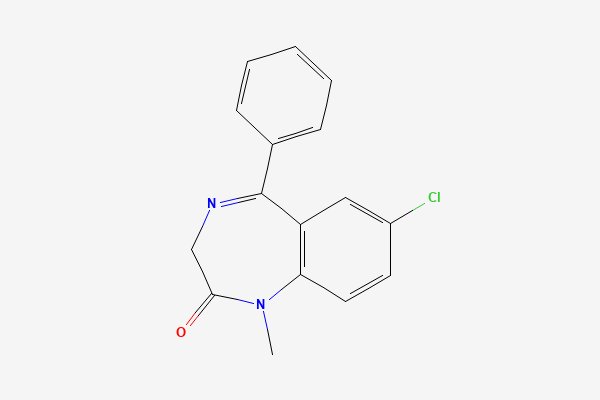
DiazepamC16H13ClN2O
PubChem · CID 3016 ↗Exact molecular identity
7-chloro-1-methyl-5-phenyl-3H-1,4-benzodiazepin-2-one
Reference structures from PubChem. Salts and stereoisomers may differ; a diagram does not verify a product’s contents or purity. Select an image to enlarge it.
More information
Experience, timeline, dose references, emergency steps and sources
What the experience may feel like
Diazepam is a benzodiazepine that can cause calm, muscle relaxation, and drowsiness, as well as impaired memory and balance. With deeper sedation, a person becomes harder to wake and less able to protect their airway.
Duration by route
Onset is the time until the first effects. Total duration describes the main effects; after-effects are listed separately and may last longer.
- Onset
- 20–40 min
- Total duration
- 4–8 hours
- After-effects
- 12–36 hours
These are estimated ranges from a community source, not medical safety limits. Amount, formulation, tolerance, combinations and individual differences affect timing. These ranges do not establish when it is safe to take more or drive. Not specified means the retrieved data has no figure, not that the time is zero.
Source: PsychonautWiki · Data retrieved
Dose ranges are not safety limits
These community-reported reference ranges come from PsychonautWiki and, where stated, TripSit. They are not necessarily pharmacologically or medically validated, do not identify a safe dose and are not a recommendation to use.
“Heavy” means a very large, high-risk amount, not a target. Serious harm, hospital admission or death can occur at much lower amounts. Strength, contents, route, tolerance, health, medicines and mixing can change the effects.
The cards reproduce every level shown by the named source. If a product contains an unknown or mislabelled substance, every dose figure may be irrelevant.
For this substance: The table republishes only the existing community-reported ranges for oral diazepam. It is not medical dosing advice and must not be used to convert to alprazolam or another benzodiazepine. Opioids, alcohol, and other depressants increase the risk of respiratory depression, coma, and death.
Diazepam by route of administration
All five levels are user-reported guidelines from PsychonautWiki as retrieved on 22 July 2026. They are not medical dosing advice. “Heavy” is a high-risk category, not a recommendation, and routes of administration are not interchangeable. The amount applies only to oral diazepam. Milligrams are not equivalent across benzodiazepines.
Diazepam
RouteOral
- Threshold
- 1 mg
- Light
- 2.5–5 mg
- Common
- 5–15 mg
- Strong
- 15–30 mg
- Heavy
- ≥30 mg
Note: Long-acting metabolites can accumulate over several days.
If the experience becomes an emergency
Emergency steps for Diazepam
If the experience becomes an emergency
Emergency steps for Diazepam
- Stop all further use and do not give food, drink, or any other substances.
- Check responsiveness and breathing. Call 112 if the person is difficult to wake, is breathing abnormally, vomits while their consciousness is impaired, or has a seizure.
- If the person is breathing normally, place them in the recovery position and monitor their breathing continuously.
- Give naloxone only when opioid use is suspected. Naloxone does not reverse alcohol, GHB, or benzodiazepines on their own.
Sources and limitations
PsychonautWiki and TripSit are community sources, not official medical guidance. Official emergency advice always takes priority when someone may be in danger. Where relevant, community information is compared with official health sources.
.
BenzodiazepineFlunitrazepamflúnítrazepam, Rohypnol, roofiesA highly potent benzodiazepine that can cause profound drowsiness, memory loss, and impaired judgement.+
Urgent warning
Call 112 if
The person is difficult to wake, breathing is slow or abnormal, lips become blue or grey, they vomit while consciousness is impaired, or they do not respond.
Call 112Main risks
What matters most
- Memory loss, falls, and accidents
- Respiratory depression and coma when mixed
- Severe withdrawal and seizures if stopped suddenly
Mixing
Combining with other substances
Opioids, alcohol, GHB/GBL, and other depressants can cause profound sedation, respiratory depression, coma, and death.
Effects and risk reduction
Effects and safer use
Common effects
Relaxation, drowsiness, slower reactions, unsteadiness, and memory loss.
If you choose to use
- Only take medicines from a pharmacy that were prescribed to you
- Do not leave your drink unattended and seek help immediately if you suspect drink spiking
- Do not stop suddenly after regular use; seek medical advice
Chemistry
Chemical structure
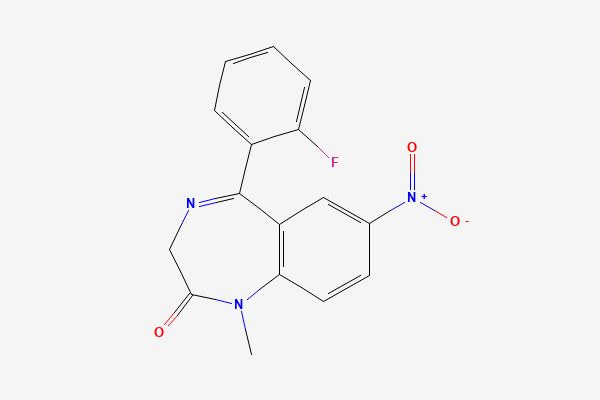
FlunitrazepamC16H12FN3O3
PubChem · CID 3380 ↗Exact molecular identity
5-(2-fluorophenyl)-1-methyl-7-nitro-3H-1,4-benzodiazepin-2-one
Reference structures from PubChem. Salts and stereoisomers may differ; a diagram does not verify a product’s contents or purity. Select an image to enlarge it.
More information
Experience, timeline, emergency steps and sources
What the experience may feel like
Flunitrazepam is a highly potent benzodiazepine that can cause profound drowsiness, unsteadiness, impaired judgement, and memory loss. A person may appear awake but remember little or nothing later.
Duration by route
Onset is the time until the first effects. Total duration describes the main effects; after-effects are listed separately and may last longer.
- Onset
- 20–30 min
- Total duration
- 4–8 hours
- After-effects
- 2–24 hours
These are estimated ranges from a community source, not medical safety limits. Amount, formulation, tolerance, combinations and individual differences affect timing. These ranges do not establish when it is safe to take more or drive. Not specified means the retrieved data has no figure, not that the time is zero.
Source: PsychonautWiki · Data retrieved
Dose information
No numerical dose table is published. Milligrams are not equivalent across benzodiazepines, and a tablet marked Rohypnol confirms neither its contents nor strength outside a secure medicine supply chain.
If the experience becomes an emergency
Emergency steps for Flunitrazepam
If the experience becomes an emergency
Emergency steps for Flunitrazepam
- Stop all further use and do not give food, drink, or any other substances.
- Check responsiveness and breathing. Call 112 if the person is difficult to wake, is breathing abnormally, vomits while their consciousness is impaired, or has a seizure.
- If the person is breathing normally, place them in the recovery position and monitor their breathing continuously.
- Give naloxone only when opioid use is suspected. Naloxone does not reverse alcohol, GHB, or benzodiazepines on their own.
Sources and limitations
PsychonautWiki and TripSit are community sources, not official medical guidance. Official emergency advice always takes priority when someone may be in danger. Where relevant, community information is compared with official health sources.
.
BenzodiazepineBromazepambrómazepam, Lexotan, LexotanilAn anti-anxiety benzodiazepine that can cause drowsiness, memory loss, and dependence.+
Urgent warning
Call 112 if
The person is difficult to wake, breathing is slow or abnormal, lips become blue or grey, they vomit while consciousness is impaired, or they do not respond.
Call 112Main risks
What matters most
- Memory loss, falls, and accidents
- Respiratory depression and coma when mixed
- Severe withdrawal and seizures if stopped suddenly
Mixing
Combining with other substances
Opioids, alcohol, GHB/GBL, and other depressants can cause profound sedation, respiratory depression, coma, and death.
Effects and risk reduction
Effects and safer use
Common effects
Reduced anxiety, relaxation, drowsiness, slower reactions, and impaired coordination.
If you choose to use
- Only take medicines from a pharmacy that were prescribed to you
- Do not drive or operate machinery if you feel drowsy or slowed down
- Do not stop suddenly after regular use; seek medical advice
Chemistry
Chemical structure
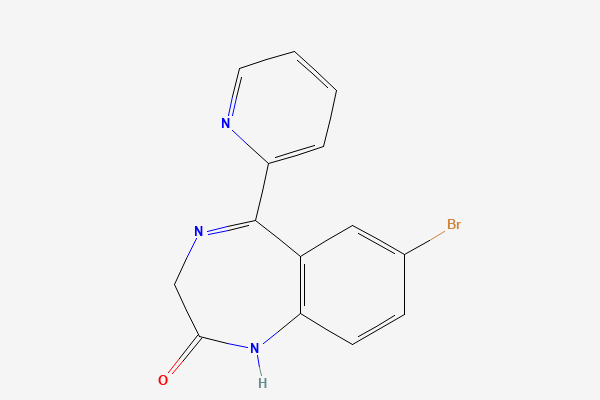
BromazepamC14H10BrN3O
PubChem · CID 2441 ↗Exact molecular identity
7-bromo-5-pyridin-2-yl-1,3-dihydro-1,4-benzodiazepin-2-one
Reference structures from PubChem. Salts and stereoisomers may differ; a diagram does not verify a product’s contents or purity. Select an image to enlarge it.
More information
Experience, timeline, emergency steps and sources
What the experience may feel like
Bromazepam is an anti-anxiety benzodiazepine that can also cause drowsiness, dizziness, unsteadiness, impaired judgement, and memory loss.
Duration by route
Onset is the time until the first effects. Total duration describes the main effects; after-effects are listed separately and may last longer.
- Onset
- 14–15 min
- Total duration
- 6–15 hours
- After-effects
- 12–22 hours
These are estimated ranges from a community source, not medical safety limits. Amount, formulation, tolerance, combinations and individual differences affect timing. These ranges do not establish when it is safe to take more or drive. Not specified means the retrieved data has no figure, not that the time is zero.
Source: PsychonautWiki · Data retrieved
Dose information
No numerical dose table is published. Milligrams of bromazepam are not equivalent to milligrams of another benzodiazepine, and unknown tablets may contain another substance or strength.
If the experience becomes an emergency
Emergency steps for Bromazepam
If the experience becomes an emergency
Emergency steps for Bromazepam
- Stop all further use and do not give food, drink, or any other substances.
- Check responsiveness and breathing. Call 112 if the person is difficult to wake, is breathing abnormally, vomits while their consciousness is impaired, or has a seizure.
- If the person is breathing normally, place them in the recovery position and monitor their breathing continuously.
- Give naloxone only when opioid use is suspected. Naloxone does not reverse alcohol, GHB, or benzodiazepines on their own.
Sources and limitations
PsychonautWiki and TripSit are community sources, not official medical guidance. Official emergency advice always takes priority when someone may be in danger. Where relevant, community information is compared with official health sources.
.
BenzodiazepineClonazepamklónazepam, klonazepam, Rivotril, KlonopinA long-acting benzodiazepine used for conditions including seizures that can cause profound drowsiness and dependence.+
Urgent warning
Call 112 if
The person is difficult to wake, breathing is slow or abnormal, lips become blue or grey, they vomit while consciousness is impaired, or they do not respond.
Call 112Main risks
What matters most
- Prolonged drowsiness, falls, and accidents
- Respiratory depression and coma when mixed
- Severe withdrawal and seizures if stopped suddenly
Mixing
Combining with other substances
Opioids, alcohol, GHB/GBL, and other depressants can cause profound sedation, respiratory depression, coma, and death.
Effects and risk reduction
Effects and safer use
Common effects
Relaxation, drowsiness, slower reactions, unsteadiness, and impaired memory.
If you choose to use
- Only take medicines from a pharmacy that were prescribed to you
- Do not drive if you feel drowsy or slowed down, including the next day
- Do not stop suddenly after regular use; seek medical advice
Chemistry
Chemical structure
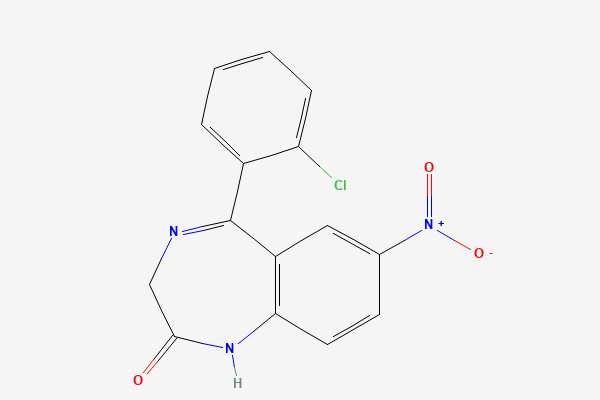
ClonazepamC15H10ClN3O3
PubChem · CID 2802 ↗Exact molecular identity
5-(2-chlorophenyl)-7-nitro-1,3-dihydro-1,4-benzodiazepin-2-one
Reference structures from PubChem. Salts and stereoisomers may differ; a diagram does not verify a product’s contents or purity. Select an image to enlarge it.
More information
Experience, timeline, emergency steps and sources
What the experience may feel like
Clonazepam is a long-acting benzodiazepine that can cause calm and drowsiness, as well as unsteadiness, impaired judgement, and memory loss. With deeper sedation, a person becomes harder to wake and less able to protect their airway.
Duration by route
Onset is the time until the first effects. Total duration describes the main effects; after-effects are listed separately and may last longer.
- Onset
- 20–60 min
- Total duration
- 8–12 hours
- After-effects
- 8–48 hours
These are estimated ranges from a community source, not medical safety limits. Amount, formulation, tolerance, combinations and individual differences affect timing. These ranges do not establish when it is safe to take more or drive. Not specified means the retrieved data has no figure, not that the time is zero.
Source: PsychonautWiki · Data retrieved
Dose information
No numerical dose table is published. Milligrams of clonazepam are not equivalent to milligrams of another benzodiazepine. Opioids, alcohol, and other depressants increase the risk of respiratory depression, coma, and death.
If the experience becomes an emergency
Emergency steps for Clonazepam
If the experience becomes an emergency
Emergency steps for Clonazepam
- Stop all further use and do not give food, drink, or any other substances.
- Check responsiveness and breathing. Call 112 if the person is difficult to wake, is breathing abnormally, vomits while their consciousness is impaired, or has a seizure.
- If the person is breathing normally, place them in the recovery position and monitor their breathing continuously.
- Give naloxone only when opioid use is suspected. Naloxone does not reverse alcohol, GHB, or benzodiazepines on their own.
Sources and limitations
PsychonautWiki and TripSit are community sources, not official medical guidance. Official emergency advice always takes priority when someone may be in danger. Where relevant, community information is compared with official health sources.
.
BenzodiazepineOxazepamSobril, SeraxAn anti-anxiety benzodiazepine that can cause drowsiness, dizziness, impaired coordination, and dependence.+
Urgent warning
Call 112 if
The person is difficult to wake, breathing is slow or abnormal, lips become blue or grey, they vomit while consciousness is impaired, or they do not respond.
Call 112Main risks
What matters most
- Drowsiness, falls, and accidents
- Respiratory depression and coma when mixed
- Severe withdrawal and seizures if stopped suddenly
Mixing
Combining with other substances
Opioids, alcohol, GHB/GBL, and other depressants can cause profound sedation, respiratory depression, coma, and death.
Effects and risk reduction
Effects and safer use
Common effects
Reduced anxiety, relaxation, drowsiness, dizziness, and slower reactions.
If you choose to use
- Only take medicines from a pharmacy that were prescribed to you
- Do not drive or operate machinery if you feel drowsy or dizzy
- Do not stop suddenly after regular use; seek medical advice
Chemistry
Chemical structure
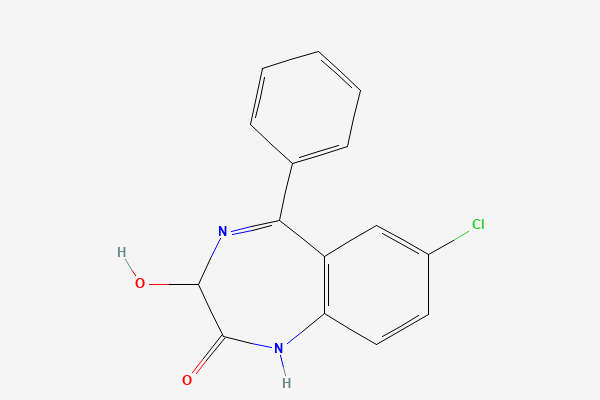
OxazepamC15H11ClN2O2
PubChem · CID 4616 ↗Exact molecular identity
7-chloro-3-hydroxy-5-phenyl-1,3-dihydro-1,4-benzodiazepin-2-one
Reference structures from PubChem. Salts and stereoisomers may differ; a diagram does not verify a product’s contents or purity. Select an image to enlarge it.
More information
Experience, timeline, emergency steps and sources
What the experience may feel like
Oxazepam is an anti-anxiety benzodiazepine that can cause calm and drowsiness, as well as dizziness, impaired coordination, unsteadiness, and memory loss.
Duration by route
Route-specific timing could not be verified from PsychonautWiki for this substance. No figures are inferred from other substances or routes.
Source: PsychonautWiki · Data retrieved
Dose information
No numerical dose table is published. Milligrams of oxazepam are not equivalent to milligrams of another benzodiazepine. Opioids, alcohol, and other depressants increase the risk of respiratory depression, coma, and death.
If the experience becomes an emergency
Emergency steps for Oxazepam
If the experience becomes an emergency
Emergency steps for Oxazepam
- Stop all further use and do not give food, drink, or any other substances.
- Check responsiveness and breathing. Call 112 if the person is difficult to wake, is breathing abnormally, vomits while their consciousness is impaired, or has a seizure.
- If the person is breathing normally, place them in the recovery position and monitor their breathing continuously.
- Give naloxone only when opioid use is suspected. Naloxone does not reverse alcohol, GHB, or benzodiazepines on their own.
Sources and limitations
PsychonautWiki and TripSit are community sources, not official medical guidance. Official emergency advice always takes priority when someone may be in danger. Where relevant, community information is compared with official health sources.
.
BenzodiazepineNitrazepamnítrazepam, MogadonA benzodiazepine sleeping medicine that can cause drowsiness and impaired coordination into the next day.+
Urgent warning
Call 112 if
The person is difficult to wake, breathing is slow or abnormal, lips become blue or grey, they vomit while consciousness is impaired, or they do not respond.
Call 112Main risks
What matters most
- Next-day drowsiness, falls, and road traffic accidents
- Respiratory depression and coma when mixed
- Severe withdrawal and seizures if stopped suddenly
Mixing
Combining with other substances
Opioids, alcohol, GHB/GBL, and other depressants can cause profound sedation, respiratory depression, coma, and death.
Effects and risk reduction
Effects and safer use
Common effects
Drowsiness, relaxation, slower reactions, unsteadiness, and memory loss.
If you choose to use
- Only take medicines from a pharmacy that were prescribed to you
- Do not drive if you feel drowsy or slowed down, including the next day
- Do not stop suddenly after regular use; seek medical advice
Chemistry
Chemical structure
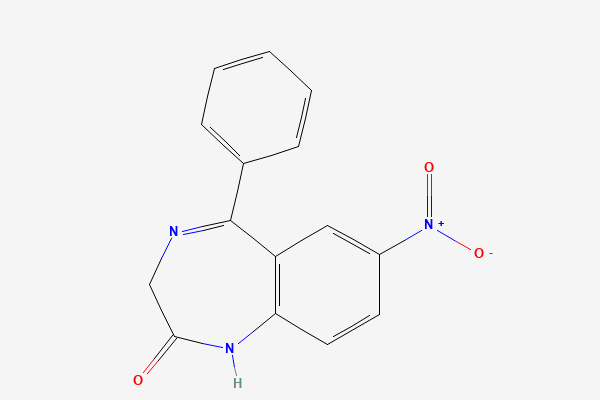
NitrazepamC15H11N3O3
PubChem · CID 4506 ↗Exact molecular identity
7-nitro-5-phenyl-1,3-dihydro-1,4-benzodiazepin-2-one
Reference structures from PubChem. Salts and stereoisomers may differ; a diagram does not verify a product’s contents or purity. Select an image to enlarge it.
More information
Experience, timeline, emergency steps and sources
What the experience may feel like
Nitrazepam is a benzodiazepine sleeping medicine that can cause profound drowsiness, unsteadiness, impaired coordination, and memory loss.
Duration by route
Route-specific timing could not be verified from PsychonautWiki for this substance. No figures are inferred from other substances or routes.
Source: PsychonautWiki · Data retrieved
Dose information
No numerical dose table is published. Milligrams of nitrazepam are not equivalent to milligrams of another benzodiazepine. Opioids, alcohol, and other depressants increase the risk of respiratory depression, coma, and death.
If the experience becomes an emergency
Emergency steps for Nitrazepam
If the experience becomes an emergency
Emergency steps for Nitrazepam
- Stop all further use and do not give food, drink, or any other substances.
- Check responsiveness and breathing. Call 112 if the person is difficult to wake, is breathing abnormally, vomits while their consciousness is impaired, or has a seizure.
- If the person is breathing normally, place them in the recovery position and monitor their breathing continuously.
- Give naloxone only when opioid use is suspected. Naloxone does not reverse alcohol, GHB, or benzodiazepines on their own.
Sources and limitations
PsychonautWiki and TripSit are community sources, not official medical guidance. Official emergency advice always takes priority when someone may be in danger. Where relevant, community information is compared with official health sources.
.
BenzodiazepineChlordiazepoxideklórdíazepoxíð, LibriumA long-acting benzodiazepine that can accumulate and cause prolonged drowsiness, impaired coordination, and dependence.+
Urgent warning
Call 112 if
The person is difficult to wake, breathing is slow or abnormal, lips become blue or grey, they vomit while consciousness is impaired, or they do not respond.
Call 112Main risks
What matters most
- Prolonged drowsiness, falls, and accidents
- Respiratory depression and coma when mixed
- Severe withdrawal and seizures if stopped suddenly
Mixing
Combining with other substances
Opioids, alcohol, GHB/GBL, and other depressants can cause profound sedation, respiratory depression, coma, and death.
Effects and risk reduction
Effects and safer use
Common effects
Reduced anxiety, relaxation, drowsiness, slower reactions, and impaired balance.
If you choose to use
- Only take medicines from a pharmacy that were prescribed to you
- Do not drive if you feel drowsy or slowed down, including the next day
- Do not stop suddenly after regular use; seek medical advice
Chemistry
Chemical structure
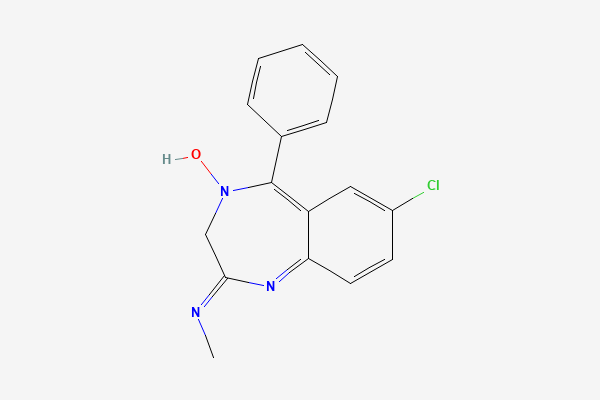
ChlordiazepoxideC16H14ClN3O
PubChem · CID 2712 ↗Exact molecular identity
7-chloro-4-hydroxy-N-methyl-5-phenyl-3H-1,4-benzodiazepin-2-imine
Reference structures from PubChem. Salts and stereoisomers may differ; a diagram does not verify a product’s contents or purity. Select an image to enlarge it.
More information
Experience, timeline, emergency steps and sources
What the experience may feel like
Chlordiazepoxide is a long-acting benzodiazepine that can cause calm and drowsiness, as well as unsteadiness, impaired coordination, and memory loss.
Duration by route
Route-specific timing could not be verified from PsychonautWiki for this substance. No figures are inferred from other substances or routes.
Source: PsychonautWiki · Data retrieved
Dose information
No numerical dose table is published. Milligrams of chlordiazepoxide are not equivalent to milligrams of another benzodiazepine. Opioids, alcohol, and other depressants increase the risk of respiratory depression, coma, and death.
If the experience becomes an emergency
Emergency steps for Chlordiazepoxide
If the experience becomes an emergency
Emergency steps for Chlordiazepoxide
- Stop all further use and do not give food, drink, or any other substances.
- Check responsiveness and breathing. Call 112 if the person is difficult to wake, is breathing abnormally, vomits while their consciousness is impaired, or has a seizure.
- If the person is breathing normally, place them in the recovery position and monitor their breathing continuously.
- Give naloxone only when opioid use is suspected. Naloxone does not reverse alcohol, GHB, or benzodiazepines on their own.
Sources and limitations
PsychonautWiki and TripSit are community sources, not official medical guidance. Official emergency advice always takes priority when someone may be in danger. Where relevant, community information is compared with official health sources.
.
BenzodiazepineTriazolam (Halcion)tríazólam, HalcionA short-acting benzodiazepine sleeping medicine that can cause profound drowsiness, memory loss, and complex sleep behaviours.+
Urgent warning
Call 112 if
The person is difficult to wake, breathing is slow or abnormal, lips become blue or grey, they vomit while consciousness is impaired, or they do not respond.
Call 112Main risks
What matters most
- Memory loss and complex sleep behaviours
- Respiratory depression and coma when mixed
- Severe withdrawal and seizures if stopped suddenly
Mixing
Combining with other substances
Opioids, alcohol, GHB/GBL, and other depressants can cause profound sedation, respiratory depression, coma, and death.
Effects and risk reduction
Effects and safer use
Common effects
Drowsiness, relaxation, slower reactions, impaired coordination, and memory loss.
If you choose to use
- Only take medicines from a pharmacy that were prescribed to you
- Do not drive or do hazardous tasks if you feel drowsy or have poor memory of the night
- Do not stop suddenly after regular use; seek medical advice
Chemistry
Chemical structure
![2D structural formula: Triazolam (Halcion). 8-chloro-6-(2-chlorophenyl)-1-methyl-4H-[1,2,4]triazolo[4,3-a][1,4]benzodiazepine](/chemical-structures/5556.png)
Triazolam (Halcion)C17H12Cl2N4
PubChem · CID 5556 ↗Exact molecular identity
8-chloro-6-(2-chlorophenyl)-1-methyl-4H-[1,2,4]triazolo[4,3-a][1,4]benzodiazepine
Reference structures from PubChem. Salts and stereoisomers may differ; a diagram does not verify a product’s contents or purity. Select an image to enlarge it.
More information
Experience, timeline, emergency steps and sources
What the experience may feel like
Triazolam, sold under the brand name Halcion, is a short-acting benzodiazepine sleeping medicine. It can cause profound drowsiness, impaired coordination, memory loss, and complex sleep behaviours that a person does not remember later.
Duration by route
Route-specific timing could not be verified from PsychonautWiki for this substance. No figures are inferred from other substances or routes.
Source: PsychonautWiki · Data retrieved
Dose information
No numerical dose table is published. Milligrams of triazolam are not equivalent to milligrams of another benzodiazepine. Opioids, alcohol, and other depressants increase the risk of respiratory depression, coma, and death.
If the experience becomes an emergency
Emergency steps for Triazolam (Halcion)
If the experience becomes an emergency
Emergency steps for Triazolam (Halcion)
- Stop all further use and do not give food, drink, or any other substances.
- Check responsiveness and breathing. Call 112 if the person is difficult to wake, is breathing abnormally, vomits while their consciousness is impaired, or has a seizure.
- If the person is breathing normally, place them in the recovery position and monitor their breathing continuously.
- Give naloxone only when opioid use is suspected. Naloxone does not reverse alcohol, GHB, or benzodiazepines on their own.
Sources and limitations
PsychonautWiki and TripSit are community sources, not official medical guidance. Official emergency advice always takes priority when someone may be in danger. Where relevant, community information is compared with official health sources.
.
Sedatives and depressantsAlcoholethanol, beer, wine, spiritsA legal but risky depressant. The effects increase when a large amount is consumed over a short time.+
Urgent warning
Call 112 if
Difficult to wake, irregular breathing, seizures, pale or bluish skin, or repeated vomiting.
Call 112Main risks
What matters most
- Alcohol poisoning
- Accidents, violence, and drowning
- Liver, heart, and nerve damage from long-term use
Mixing
Combining with other substances
Do not combine with opioids, benzodiazepines, GHB/GBL, or other depressant medicines.
Effects and risk reduction
Effects and safer use
Common effects
Relaxation and greater social ease, but also impaired judgement, balance, and reactions.
If you choose to use
- Eat food and drink water as well
- Avoid rapid drinking and drinking competitions
- Never leave a person with impaired consciousness alone
Chemistry
Chemical structure
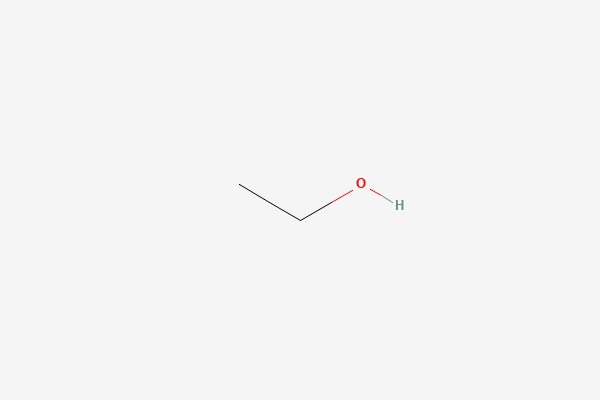
AlcoholC2H6O
PubChem · CID 702 ↗Exact molecular identity
ethanol
Reference structures from PubChem. Salts and stereoisomers may differ; a diagram does not verify a product’s contents or purity. Select an image to enlarge it.
More information
Experience, timeline, dose references, emergency steps and sources
What the experience may feel like
At lower amounts, alcohol can increase social ease and relaxation. As the amount rises, reactions, balance, speech, memory, and judgement become impaired; a very large amount can suppress breathing and the body’s protective reflexes.
Duration by route
Onset is the time until the first effects. Total duration describes the main effects; after-effects are listed separately and may last longer.
- Onset
- 2–5 min
- Total duration
- 1.5–5 hours
- After-effects
- 6–48 hours
These are estimated ranges from a community source, not medical safety limits. Amount, formulation, tolerance, combinations and individual differences affect timing. These ranges do not establish when it is safe to take more or drive. Not specified means the retrieved data has no figure, not that the time is zero.
Source: PsychonautWiki · Data retrieved
Dose ranges are not safety limits
These community-reported reference ranges come from PsychonautWiki and, where stated, TripSit. They are not necessarily pharmacologically or medically validated, do not identify a safe dose and are not a recommendation to use.
“Heavy” means a very large, high-risk amount, not a target. Serious harm, hospital admission or death can occur at much lower amounts. Strength, contents, route, tolerance, health, medicines and mixing can change the effects.
The cards reproduce every level shown by the named source. If a product contains an unknown or mislabelled substance, every dose figure may be irrelevant.
For this substance: Ethanol is shown in WHO alcohol units, where 1 unit equals 10 g of pure ethanol. Drink type, speed, food, physical condition, medicines, and tolerance change the effects, and no amount is risk-free.
Alcohol in WHO alcohol units
All five levels are user-reported guidelines from PsychonautWiki as retrieved on 22 July 2026. They are not medical dosing advice. “Heavy” is a high-risk category, not a recommendation, and routes of administration are not interchangeable. One WHO alcohol unit is defined here as 10 g of pure ethanol. A unit says nothing about drinking speed, alcohol concentration, physical condition, or dangerous combinations, and no amount of alcohol is risk-free.
Ethanol
RouteOral
- Threshold
- 1 unit
- Light
- 1–2 units
- Common
- 2–3 units
- Strong
- 3–4 units
- Heavy
- ≥4 units
Note: The ranges were converted directly from grams using 1 unit = 10 g; no new thresholds were calculated.
If the experience becomes an emergency
Emergency steps for Alcohol
If the experience becomes an emergency
Emergency steps for Alcohol
- Call 112 if the person is difficult to wake, is breathing irregularly, has a seizure, is cold and clammy, or vomits while their consciousness is impaired.
- If the person is breathing normally, place them in the recovery position and monitor their breathing continuously.
- Do not give coffee, food, a cold shower, or more alcohol, and do not try to make the person walk it off.
- Stay with the person until help arrives. Blood alcohol concentration can continue to rise after the last drink.
Sources and limitations
PsychonautWiki and TripSit are community sources, not official medical guidance. Official emergency advice always takes priority when someone may be in danger. Where relevant, community information is compared with official health sources.
.
Sedatives and depressantsGHB / GBLG, fantasía, gamma-hydroxybutyrateHighly dose-dependent depressants with only a small margin between the desired effects and unconsciousness.+
Urgent warning
Call 112 if
A person is unresponsive, breathing abnormally, vomiting while unconscious, or having a seizure.
Call 112Main risks
What matters most
- Sudden unconsciousness
- Breathing impairment and vomiting
- Severe withdrawal with frequent use
Mixing
Combining with other substances
Never combine with alcohol, opioids, benzodiazepines, or other depressants.
Effects and risk reduction
Effects and safer use
Common effects
Relaxation, drowsiness, euphoria, and reduced inhibitions.
If you choose to use
- Do not use alone
- Millilitres do not indicate the amount of GHB, and GHB, GBL, and 1,4-BDO are not equivalent
- Keep the substance clearly labelled and away from other people's drinks
- Seek medical help for withdrawal after frequent use
Chemistry
Chemical structure
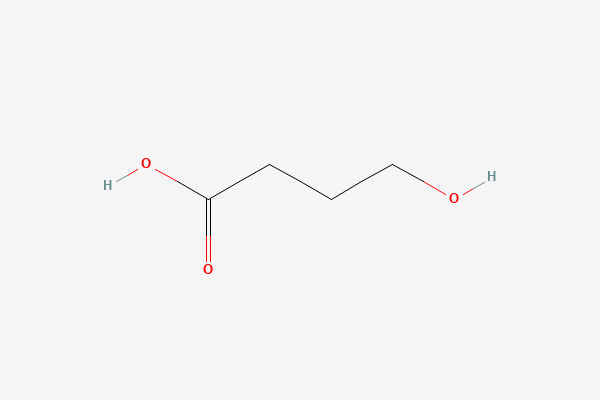
GHBC4H8O3
PubChem · CID 10413 ↗Exact molecular identity
4-hydroxybutanoic acid
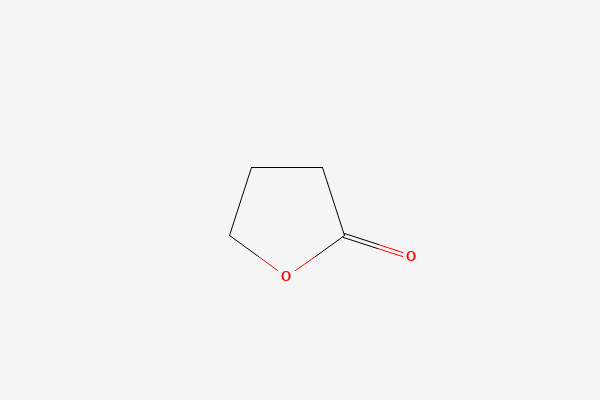
GBLC4H6O2
PubChem · CID 7302 ↗Exact molecular identity
oxolan-2-one
Reference structures from PubChem. Salts and stereoisomers may differ; a diagram does not verify a product’s contents or purity. Select an image to enlarge it.
More information
Experience, timeline, dose references, emergency steps and sources
What the experience may feel like
Milder effects can include relaxation, social disinhibition, and euphoria. A very small margin can separate that experience from sudden drowsiness, vomiting, memory loss, or unconsciousness.
Duration by route
Onset is the time until the first effects. Total duration describes the main effects; after-effects are listed separately and may last longer.
- Onset
- 5–30 min
- Total duration
- 1.5–2.5 hours
- After-effects
- 2–4 hours
- Onset
- 3–10 min
- Total duration
- 1–2 hours
- After-effects
- 1–3 hours
These are estimated ranges from a community source, not medical safety limits. Amount, formulation, tolerance, combinations and individual differences affect timing. These ranges do not establish when it is safe to take more or drive. Not specified means the retrieved data has no figure, not that the time is zero.
Source: PsychonautWiki · Data retrieved
Dose ranges are not safety limits
These community-reported reference ranges come from PsychonautWiki and, where stated, TripSit. They are not necessarily pharmacologically or medically validated, do not identify a safe dose and are not a recommendation to use.
“Heavy” means a very large, high-risk amount, not a target. Serious harm, hospital admission or death can occur at much lower amounts. Strength, contents, route, tolerance, health, medicines and mixing can change the effects.
The cards reproduce every level shown by the named source. If a product contains an unknown or mislabelled substance, every dose figure may be irrelevant.
For this substance: The table separates GHB measured in grams from GBL measured in millilitres. The substances and units are not interchangeable, and a liquid of unknown concentration makes the figures unusable.
GHB and GBL by substance
All five levels are user-reported guidelines from PsychonautWiki as retrieved on 10 September 2026. They are not medical dosing advice. “Heavy” is a high-risk category, not a recommendation, and routes of administration are not interchangeable. GHB and GBL are different substances, and grams of GHB must never be treated as millilitres of GBL. Unknown concentration or contents make every figure unusable.
GHB
RouteOral
- Threshold
- 0.5 g
- Light
- 0.5–1 g
- Common
- 1–2.5 g
- Strong
- 2.5–4 g
- Heavy
- ≥4 g
Note: PsychonautWiki warns of a risk of death above 10 g, but severe poisoning can occur at a lower amount.
GBL
RouteOral
- Threshold
- 0.3 mL
- Light
- 0.3–0.9 mL
- Common
- 0.9–1.5 mL
- Strong
- 1.5–3 mL
- Heavy
- ≥3 mL
Note: The source warns that amounts above 2 mL can cause profound sleep. The concentration and contents of a liquid are often unknown.
If the experience becomes an emergency
Emergency steps for GHB / GBL
If the experience becomes an emergency
Emergency steps for GHB / GBL
- Stop all further use and do not give food, drink, or any other substances.
- Check responsiveness and breathing. Call 112 if the person is difficult to wake, is breathing abnormally, vomits while their consciousness is impaired, or has a seizure.
- If the person is breathing normally, place them in the recovery position and monitor their breathing continuously.
- Give naloxone only when opioid use is suspected. Naloxone does not reverse alcohol, GHB, or benzodiazepines on their own.
Sources and limitations
PsychonautWiki and TripSit are community sources, not official medical guidance. Official emergency advice always takes priority when someone may be in danger. Where relevant, community information is compared with official health sources.
.
GabapentinoidGabapentingabapentín, NeurontinA medicine for nerve pain and seizures that can cause drowsiness, dizziness, and impaired breathing, especially with opioids.+
Urgent warning
Call 112 if
Severe drowsiness; slow, shallow, or difficult breathing; blue lips; seizures; or no response.
Call 112Main risks
What matters most
- Breathing impairment when combined with other substances
- Falls, accidents, and impaired consciousness
- Dependence and withdrawal
Mixing
Combining with other substances
Opioids, alcohol, benzodiazepines, and other depressants increase the risk of unconsciousness and impaired breathing.
Effects and risk reduction
Effects and safer use
Common effects
Drowsiness, dizziness, unsteadiness, and impaired coordination. Morphine and other depressants can increase its effects and risks.
If you choose to use
- Only take medicines from a pharmacy that were prescribed to you
- Do not drive if you feel drowsy or dizzy
- Doses may need adjustment with impaired kidney function; seek medical advice before stopping regular use
Chemistry
Chemical structure
![2D structural formula: Gabapentin. 2-[1-(aminomethyl)cyclohexyl]acetic acid](/chemical-structures/3446.png)
GabapentinC9H17NO2
PubChem · CID 3446 ↗Exact molecular identity
2-[1-(aminomethyl)cyclohexyl]acetic acid
Reference structures from PubChem. Salts and stereoisomers may differ; a diagram does not verify a product’s contents or purity. Select an image to enlarge it.
More information
Experience, timeline, emergency steps and sources
What the experience may feel like
Gabapentin is a medicine used for seizures and nerve pain that can cause drowsiness, dizziness, unsteadiness, and impaired coordination. Serious or fatal respiratory depression has occurred, especially with opioids, other depressants, or underlying breathing problems.
Duration by route
Onset is the time until the first effects. Total duration describes the main effects; after-effects are listed separately and may last longer.
- Onset
- 30–120 min
- Total duration
- 6–10 hours
- After-effects
- Not specified
These are estimated ranges from a community source, not medical safety limits. Amount, formulation, tolerance, combinations and individual differences affect timing. These ranges do not establish when it is safe to take more or drive. Not specified means the retrieved data has no figure, not that the time is zero.
Source: PsychonautWiki · Data retrieved
Dose information
No numerical dose table is published for gabapentin. It is prescribed individually according to the condition being treated, kidney function, and other medicines; pregabalin amounts do not apply to gabapentin. Morphine and other opioids can increase sedation and the risk of respiratory depression.
If the experience becomes an emergency
Emergency steps for Gabapentin
If the experience becomes an emergency
Emergency steps for Gabapentin
- Stop all further use and do not give food, drink, or any other substances.
- Check responsiveness and breathing. Call 112 if the person is difficult to wake, is breathing abnormally, vomits while their consciousness is impaired, or has a seizure.
- If the person is breathing normally, place them in the recovery position and monitor their breathing continuously.
- Give naloxone only when opioid use is suspected. Naloxone does not reverse alcohol, GHB, or benzodiazepines on their own.
Sources and limitations
PsychonautWiki and TripSit are community sources, not official medical guidance. Official emergency advice always takes priority when someone may be in danger. Where relevant, community information is compared with official health sources.
.
GabapentinoidPregabalinpregabalín, LyricaA medicine for nerve pain and seizures that can cause drowsiness, dizziness, and impaired breathing, especially with opioids.+
Urgent warning
Call 112 if
Severe drowsiness; slow, shallow, or difficult breathing; blue lips; seizures; or no response.
Call 112Main risks
What matters most
- Serious or fatal breathing impairment when combined with other substances
- Falls, accidents, and impaired consciousness
- Dependence and withdrawal
Mixing
Combining with other substances
Opioids, alcohol, benzodiazepines, and other depressants increase the risk of unconsciousness, impaired breathing, and death.
Effects and risk reduction
Effects and safer use
Common effects
Calm, drowsiness, dizziness, unsteadiness, and impaired coordination. Effects can become much stronger with other depressants.
If you choose to use
- Only take medicines from a pharmacy that were prescribed to you
- Do not drive if you feel drowsy or dizzy
- Doses may need adjustment with impaired kidney function; seek medical advice before stopping regular use
Chemistry
Chemical structure
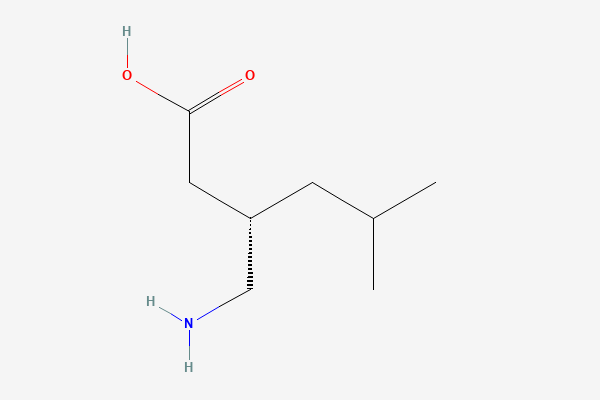
PregabalinC8H17NO2
PubChem · CID 5486971 ↗Exact molecular identity
(3S)-3-(aminomethyl)-5-methylhexanoic acid
Reference structures from PubChem. Salts and stereoisomers may differ; a diagram does not verify a product’s contents or purity. Select an image to enlarge it.
More information
Experience, timeline, dose references, emergency steps and sources
What the experience may feel like
Pregabalin is a medicine used for seizures and nerve pain that can cause calm, drowsiness, dizziness, unsteadiness, and impaired coordination. Serious or fatal respiratory depression has occurred, especially with opioids, other depressants, or underlying breathing problems.
Duration by route
Onset is the time until the first effects. Total duration describes the main effects; after-effects are listed separately and may last longer.
- Onset
- 30–45 min
- Total duration
- 9–17 hours
- After-effects
- 4–10 hours
- Onset
- 15–30 min
- Total duration
- 5–8 hours
- After-effects
- 6–12 hours
These are estimated ranges from a community source, not medical safety limits. Amount, formulation, tolerance, combinations and individual differences affect timing. These ranges do not establish when it is safe to take more or drive. Not specified means the retrieved data has no figure, not that the time is zero.
Source: PsychonautWiki · Data retrieved
Dose ranges are not safety limits
These community-reported reference ranges come from PsychonautWiki and, where stated, TripSit. They are not necessarily pharmacologically or medically validated, do not identify a safe dose and are not a recommendation to use.
“Heavy” means a very large, high-risk amount, not a target. Serious harm, hospital admission or death can occur at much lower amounts. Strength, contents, route, tolerance, health, medicines and mixing can change the effects.
The cards reproduce every level shown by the named source. If a product contains an unknown or mislabelled substance, every dose figure may be irrelevant.
For this substance: The table republishes only the existing community-reported ranges for pregabalin. It is not medical dosing advice and does not apply to gabapentin. An individual prescription, kidney function, and other medicines change the risk; opioids and other depressants can increase the risk of respiratory depression.
Pregabalin by route of administration
All five levels are user-reported guidelines from PsychonautWiki as retrieved on 22 July 2026. They are not medical dosing advice. “Heavy” is a high-risk category, not a recommendation, and routes of administration are not interchangeable. The table applies only to pregabalin and does not apply to gabapentin. It is not medical dosing advice; kidney function and other medicines change the risk.
Pregabalin
RouteOral
- Threshold
- 50 mg
- Light
- 50–225 mg
- Common
- 225–600 mg
- Strong
- 600–900 mg
- Heavy
- ≥900 mg
Note: Opioids and other depressants increase the risk of impaired breathing.
Pregabalin
RouteRectal
- Threshold
- <40 mg
- Light
- 40–200 mg
- Common
- 200–450 mg
- Strong
- 450–600 mg
- Heavy
- ≥600 mg
Note: An unusual route from a community-reported source; not medically verified or recommended.
If the experience becomes an emergency
Emergency steps for Pregabalin
If the experience becomes an emergency
Emergency steps for Pregabalin
- Stop all further use and do not give food, drink, or any other substances.
- Check responsiveness and breathing. Call 112 if the person is difficult to wake, is breathing abnormally, vomits while their consciousness is impaired, or has a seizure.
- If the person is breathing normally, place them in the recovery position and monitor their breathing continuously.
- Give naloxone only when opioid use is suspected. Naloxone does not reverse alcohol, GHB, or benzodiazepines on their own.
Sources and limitations
PsychonautWiki and TripSit are community sources, not official medical guidance. Official emergency advice always takes priority when someone may be in danger. Where relevant, community information is compared with official health sources.
.
Sleeping medicineImovane (zopiclone)zópíklón, Imovan, Imomed, Z-drug, Z-drugs, sleeping medicine, sleeping pillsA prescription medicine for the short-term treatment of insomnia that can impair memory, judgement, and reactions.+
Urgent warning
Call 112 if
The person is difficult to wake, breathing is slow or abnormal, they have a seizure, vomit while consciousness is impaired, or show dangerous behaviour while not fully awake.
Call 112Main risks
What matters most
- Memory loss, falls, and road traffic accidents
- Complex sleep behaviour while not fully awake
- Dependence, tolerance, and withdrawal
Mixing
Combining with other substances
Alcohol, opioids, benzodiazepines, GHB/GBL, and other depressant medicines or substances can cause profound sedation, respiratory depression, coma, and death.
Effects and risk reduction
Effects and safer use
Common effects
Drowsiness, relaxation, dizziness, unsteadiness, and impaired attention or memory. A bitter or metallic taste is common, and impairment can continue into the next day.
If you choose to use
- Only take medicines from a pharmacy that were prescribed to you
- Do not take another dose during the same night and do not drive if you are drowsy
- Stop taking it and contact a healthcare professional immediately if complex sleep behaviour occurs
Chemistry
Chemical structure
![2D structural formula: Imovane (zopiclone). [6-(5-chloro-2-pyridinyl)-5-oxo-7H-pyrrolo[3,4-b]pyrazin-7-yl] 4-methylpiperazine-1-carboxylate](/chemical-structures/5735.png)
Imovane (zopiclone)C17H17ClN6O3
PubChem · CID 5735 ↗Exact molecular identity
[6-(5-chloro-2-pyridinyl)-5-oxo-7H-pyrrolo[3,4-b]pyrazin-7-yl] 4-methylpiperazine-1-carboxylate
Reference structures from PubChem. Salts and stereoisomers may differ; a diagram does not verify a product’s contents or purity. Select an image to enlarge it.
More information
Experience, timeline, dose references, emergency steps and sources
What the experience may feel like
Zopiclone can cause drowsiness, relaxation, dizziness, unsteadiness, and memory loss. A bitter or metallic taste is common, and some people carry out complex activities while asleep without remembering them.
Duration by route
Onset is the time until the first effects. Total duration describes the main effects; after-effects are listed separately and may last longer.
- Onset
- 10–30 min
- Total duration
- 3.5–9 hours
- After-effects
- Not specified
These are estimated ranges from a community source, not medical safety limits. Amount, formulation, tolerance, combinations and individual differences affect timing. These ranges do not establish when it is safe to take more or drive. Not specified means the retrieved data has no figure, not that the time is zero.
Source: PsychonautWiki · Data retrieved
Dose ranges are not safety limits
These community-reported reference ranges come from PsychonautWiki and, where stated, TripSit. They are not necessarily pharmacologically or medically validated, do not identify a safe dose and are not a recommendation to use.
“Heavy” means a very large, high-risk amount, not a target. Serious harm, hospital admission or death can occur at much lower amounts. Strength, contents, route, tolerance, health, medicines and mixing can change the effects.
The cards reproduce every level shown by the named source. If a product contains an unknown or mislabelled substance, every dose figure may be irrelevant.
For this substance: The table republishes PsychonautWiki’s user-reported ranges for oral zopiclone. It is not medical dosing advice or a safety limit. Imovane contains zopiclone and should only be taken as prescribed to you. Tolerance, dependence, and withdrawal can occur with repeated use.
Zopiclone by route of administration
All five levels are user-reported guidelines from PsychonautWiki as retrieved on 10 September 2026. They are not medical dosing advice. “Heavy” is a high-risk category, not a recommendation, and routes of administration are not interchangeable. The table applies only to oral zopiclone. Imovane is a prescription medicine and should only be taken as prescribed to you.
Zopiclone
RouteOral
- Threshold
- 2 mg
- Light
- 3.5–5 mg
- Common
- 5–7.5 mg
- Strong
- 7.5–15 mg
- Heavy
- ≥15 mg
Note: Memory loss, complex sleep behaviour, and impaired breathing become more likely with alcohol, opioids, and other depressants.
If the experience becomes an emergency
Emergency steps for Imovane (zopiclone)
If the experience becomes an emergency
Emergency steps for Imovane (zopiclone)
- Stop all further use and do not give food, drink, or any other medicine or substance.
- Call the Poison Information Centre on 543 2222 if more than prescribed may have been taken, a child may have taken the medicine, or the mixture is unknown. Do not wait for symptoms.
- Call 112 immediately if the person is difficult to wake, breathing is slow or abnormal, their lips become blue or grey, they have a seizure, or they collapse.
- If the person is breathing normally, place them in the recovery position, monitor their breathing continuously, and follow the instructions from 112. Naloxone does not reverse zopiclone or zolpidem on its own, but may be given if opioid use is also suspected.
Sources and limitations
PsychonautWiki and TripSit are community sources, not official medical guidance. Official emergency advice always takes priority when someone may be in danger. Where relevant, community information is compared with official health sources.
.
Sleeping medicineStilnoct (zolpidem)zolpidem tartrate, Zovand, Ambien, Z-drug, Z-drugs, sleeping medicine, sleeping pillsA prescription medicine for the short-term treatment of insomnia that can impair memory, judgement, and reactions.+
Urgent warning
Call 112 if
The person is difficult to wake, breathing is slow or abnormal, they have a seizure, vomit while consciousness is impaired, or show dangerous behaviour while not fully awake.
Call 112Main risks
What matters most
- Memory loss, falls, and road traffic accidents
- Complex sleep behaviour that can cause serious injury
- Dependence, tolerance, and withdrawal
Mixing
Combining with other substances
Alcohol, opioids, benzodiazepines, GHB/GBL, and other depressant medicines or substances can cause profound sedation, respiratory depression, coma, and death.
Effects and risk reduction
Effects and safer use
Common effects
Drowsiness, relaxation, dizziness, slower reactions, impaired coordination, confusion, and memory loss. Impaired alertness can continue into the next day.
If you choose to use
- Only take medicines from a pharmacy that were prescribed to you
- Do not take another dose during the same night and do not drive if you are drowsy
- Stop taking it and contact a healthcare professional immediately if complex sleep behaviour occurs
Chemistry
Chemical structure
![2D structural formula: Stilnoct (zolpidem). N,N-dimethyl-2-[6-methyl-2-(4-methylphenyl)imidazo[1,2-a]pyridin-3-yl]acetamide](/chemical-structures/5732.png)
Stilnoct (zolpidem)C19H21N3O
PubChem · CID 5732 ↗Exact molecular identity
N,N-dimethyl-2-[6-methyl-2-(4-methylphenyl)imidazo[1,2-a]pyridin-3-yl]acetamide
Reference structures from PubChem. Salts and stereoisomers may differ; a diagram does not verify a product’s contents or purity. Select an image to enlarge it.
More information
Experience, timeline, dose references, emergency steps and sources
What the experience may feel like
Zolpidem can cause drowsiness, relaxation, dizziness, confusion, unsteadiness, and memory loss. Complex sleep behaviour, such as sleepwalking or driving while not fully awake, can occur without the person remembering it.
Duration by route
Onset is the time until the first effects. Total duration describes the main effects; after-effects are listed separately and may last longer.
- Onset
- 15–45 min
- Total duration
- 5–10 hours
- After-effects
- 2–4 hours
These are estimated ranges from a community source, not medical safety limits. Amount, formulation, tolerance, combinations and individual differences affect timing. These ranges do not establish when it is safe to take more or drive. Not specified means the retrieved data has no figure, not that the time is zero.
Source: PsychonautWiki · Data retrieved
Dose ranges are not safety limits
These community-reported reference ranges come from PsychonautWiki and, where stated, TripSit. They are not necessarily pharmacologically or medically validated, do not identify a safe dose and are not a recommendation to use.
“Heavy” means a very large, high-risk amount, not a target. Serious harm, hospital admission or death can occur at much lower amounts. Strength, contents, route, tolerance, health, medicines and mixing can change the effects.
The cards reproduce every level shown by the named source. If a product contains an unknown or mislabelled substance, every dose figure may be irrelevant.
For this substance: The table republishes PsychonautWiki’s user-reported ranges for oral zolpidem. It is not medical dosing advice or a safety limit. Stilnoct contains zolpidem and should only be taken as prescribed to you. Tolerance, dependence, and withdrawal can occur with repeated use.
Zolpidem by route of administration
All five levels are user-reported guidelines from PsychonautWiki as retrieved on 10 September 2026. They are not medical dosing advice. “Heavy” is a high-risk category, not a recommendation, and routes of administration are not interchangeable. The table applies only to oral zolpidem. Stilnoct is a prescription medicine and should only be taken as prescribed to you.
Zolpidem
RouteOral
- Threshold
- 5 mg
- Light
- 10–20 mg
- Common
- 20–30 mg
- Strong
- 30–50 mg
- Heavy
- ≥50 mg
Note: Memory loss, complex sleep behaviour, and impaired breathing become more likely with alcohol, opioids, and other depressants.
If the experience becomes an emergency
Emergency steps for Stilnoct (zolpidem)
If the experience becomes an emergency
Emergency steps for Stilnoct (zolpidem)
- Stop all further use and do not give food, drink, or any other medicine or substance.
- Call the Poison Information Centre on 543 2222 if more than prescribed may have been taken, a child may have taken the medicine, or the mixture is unknown. Do not wait for symptoms.
- Call 112 immediately if the person is difficult to wake, breathing is slow or abnormal, their lips become blue or grey, they have a seizure, or they collapse.
- If the person is breathing normally, place them in the recovery position, monitor their breathing continuously, and follow the instructions from 112. Naloxone does not reverse zopiclone or zolpidem on its own, but may be given if opioid use is also suspected.
Sources and limitations
PsychonautWiki and TripSit are community sources, not official medical guidance. Official emergency advice always takes priority when someone may be in danger. Where relevant, community information is compared with official health sources.
.
Stimulants
8StimulantsAmphetamineamfetamín, speed, spíttStimulants that increase heart rate, blood pressure, wakefulness, and strain on the body.+
Urgent warning
Call 112 if
Chest pain, very high temperature, a seizure, a sudden severe headache, difficulty breathing, or severe confusion.
Call 112Main risks
What matters most
- Overheating and dehydration
- Heart and circulation problems
- Psychosis, anxiety, and exhaustion
Mixing
Combining with other substances
Other stimulants increase strain on the heart and raise body temperature. Depressants do not “cancel out” the effects and can hide warning signs.
Effects and risk reduction
Effects and safer use
Common effects
Energy, focus, reduced appetite and need for sleep; sometimes anxiety and repetitive behaviour.
If you choose to use
- Take breaks, cool down, and drink regularly but not excessively
- Avoid staying awake for long periods
- Do not use alone
Chemistry
Chemical structure
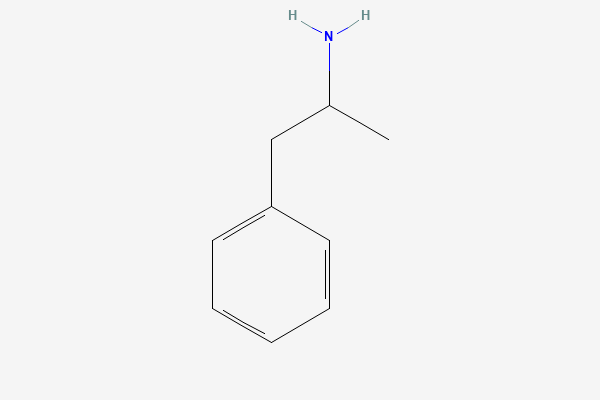
AmphetamineC9H13N
PubChem · CID 3007 ↗Exact molecular identity
1-phenylpropan-2-amine
Reference structures from PubChem. Salts and stereoisomers may differ; a diagram does not verify a product’s contents or purity. Select an image to enlarge it.
More information
Experience, timeline, dose references, emergency steps and sources
What the experience may feel like
Energy, wakefulness, concentration, and confidence can increase. With stronger effects, jaw tension, sweating, a racing heart, repetitive behaviour, anxiety, and suspiciousness become more common; sleep deprivation increases the risk of psychosis.
Duration by route
Onset is the time until the first effects. Total duration describes the main effects; after-effects are listed separately and may last longer.
- Onset
- 1–5 min
- Total duration
- 3–6 hours
- After-effects
- 2–4 hours
- Onset
- 2–10 sec
- Total duration
- 3–6 hours
- After-effects
- Not specified
- Onset
- 30–45 min
- Total duration
- 6–8 hours
- After-effects
- 3–6 hours
These are estimated ranges from a community source, not medical safety limits. Amount, formulation, tolerance, combinations and individual differences affect timing. These ranges do not establish when it is safe to take more or drive. Not specified means the retrieved data has no figure, not that the time is zero.
Source: PsychonautWiki · Data retrieved
Dose ranges are not safety limits
These community-reported reference ranges come from PsychonautWiki and, where stated, TripSit. They are not necessarily pharmacologically or medically validated, do not identify a safe dose and are not a recommendation to use.
“Heavy” means a very large, high-risk amount, not a target. Serious harm, hospital admission or death can occur at much lower amounts. Strength, contents, route, tolerance, health, medicines and mixing can change the effects.
The cards reproduce every level shown by the named source. If a product contains an unknown or mislabelled substance, every dose figure may be irrelevant.
For this substance: The table applies only to verified amphetamine and the listed routes. It does not apply to methamphetamine or street powder of unknown purity.
Amphetamine by route of administration
All five levels are user-reported guidelines from PsychonautWiki as retrieved on 22 July 2026. They are not medical dosing advice. “Heavy” is a high-risk category, not a recommendation, and routes of administration are not interchangeable. The table applies only to verified amphetamine. It does not apply to methamphetamine or street powder of unknown purity.
Amphetamine
RouteOral
- Threshold
- 2.5 mg
- Light
- 5–10 mg
- Common
- 10–25 mg
- Strong
- 25–50 mg
- Heavy
- ≥50 mg
Note: Applies only to verified amphetamine.
Amphetamine
RouteIntranasal
- Threshold
- 4 mg
- Light
- 6–15 mg
- Common
- 15–30 mg
- Strong
- 30–50 mg
- Heavy
- ≥50 mg
Note: The purity of street powder is generally unknown.
Amphetamine
RouteIntravenous
- Threshold
- 4 mg
- Light
- 6–15 mg
- Common
- 15–30 mg
- Strong
- 30–50 mg
- Heavy
- ≥50 mg
Note: Very rapid onset and increased risk of overdose, infection, and vein damage.
If the experience becomes an emergency
Emergency steps for Amphetamine
If the experience becomes an emergency
Emergency steps for Amphetamine
- Stop further use and move the person to a calm, cool, and safe environment.
- Loosen tight clothing and cool them gently. Do not force a large amount of fluid at once, and do not give other substances in an attempt to balance the effects.
- Call 112 for chest pain, a seizure, a very high temperature, severe confusion, difficulty breathing, or sudden weakness on one side.
- Stay with the person, monitor their breathing, and follow the instructions from 112.
Sources and limitations
PsychonautWiki and TripSit are community sources, not official medical guidance. Official emergency advice always takes priority when someone may be in danger. Where relevant, community information is compared with official health sources.
.
Prescription stimulantLisdexamfetaminelisdexamfetamín, Vyvanse, Elvanse, Aduvanz, ADHD medicineA prescription stimulant prodrug that is converted to dextroamphetamine in the body and can increase heart rate and blood pressure.+
Urgent warning
Call 112 if
Chest pain, fainting, a seizure, very high temperature, a fast or irregular pulse, hallucinations, or severe confusion.
Call 112Main risks
What matters most
- Increased heart rate, blood pressure, and strain on the heart
- Anxiety, insomnia, and psychiatric symptoms
- Misuse, addiction, and overdose
Mixing
Combining with other substances
MAO inhibitors can cause a life-threatening rise in blood pressure. Other stimulants and serotonergic substances or medicines can increase strain on the heart, overheating, seizure risk, and serotonin syndrome.
Effects and risk reduction
Effects and safer use
Common effects
Increased alertness and concentration, reduced appetite and need for sleep; anxiety, restlessness, and a racing heart can also occur.
If you choose to use
- Take it only according to your own prescription
- Do not share it or use medicine prescribed to someone else
- Store it securely and discuss strong or troubling symptoms with a doctor or pharmacist
Chemistry
Chemical structure
![2D structural formula: Lisdexamfetamine. (2S)-2,6-diamino-N-[(2S)-1-phenylpropan-2-yl]hexanamide](/chemical-structures/11597698.png)
LisdexamfetamineC15H25N3O
PubChem · CID 11597698 ↗Exact molecular identity
(2S)-2,6-diamino-N-[(2S)-1-phenylpropan-2-yl]hexanamide
Reference structures from PubChem. Salts and stereoisomers may differ; a diagram does not verify a product’s contents or purity. Select an image to enlarge it.
More information
Experience, timeline, emergency steps and sources
What the experience may feel like
Lisdexamfetamine is a prodrug that is converted to dextroamphetamine in the blood. When taken as prescribed it can improve concentration and alertness, but it can also reduce appetite and cause insomnia, anxiety, a racing heart, and higher blood pressure.
Duration by route
Onset is the time until the first effects. Total duration describes the main effects; after-effects are listed separately and may last longer.
- Onset
- 60–90 min
- Total duration
- 10–14 hours
- After-effects
- 2–6 hours
These are estimated ranges from a community source, not medical safety limits. Amount, formulation, tolerance, combinations and individual differences affect timing. These ranges do not establish when it is safe to take more or drive. Not specified means the retrieved data has no figure, not that the time is zero.
Source: PsychonautWiki · Data retrieved
Dose information
No dose figure is published. Milligrams of lisdexamfetamine are not equivalent milligram-for-milligram to dextroamphetamine, and dosing must follow an individual prescription.
If the experience becomes an emergency
Emergency steps for Lisdexamfetamine
If the experience becomes an emergency
Emergency steps for Lisdexamfetamine
- Stop further use and move the person to a calm, cool, and safe environment.
- Loosen tight clothing and cool them gently. Do not force a large amount of fluid at once, and do not give other substances in an attempt to balance the effects.
- Call 112 for chest pain, a seizure, a very high temperature, severe confusion, difficulty breathing, or sudden weakness on one side.
- Stay with the person, monitor their breathing, and follow the instructions from 112.
Sources and limitations
PsychonautWiki and TripSit are community sources, not official medical guidance. Official emergency advice always takes priority when someone may be in danger. Where relevant, community information is compared with official health sources.
.
Prescription stimulantDextroamphetaminedexamfetamín, dexamphetamine, Dexedrine, Attentin, ADHD medicineA prescription amphetamine medicine that stimulates the central nervous system and can increase heart rate and blood pressure.+
Urgent warning
Call 112 if
Chest pain, fainting, a seizure, very high temperature, difficulty breathing, hallucinations, or sudden severe confusion.
Call 112Main risks
What matters most
- Heart and blood-pressure problems
- Psychosis, mania, seizures, and overheating
- Misuse, addiction, and overdose
Mixing
Combining with other substances
Do not use with MAO inhibitors. Other stimulants and serotonergic substances or medicines can increase blood pressure, overheating, seizure risk, and serotonin syndrome.
Effects and risk reduction
Effects and safer use
Common effects
Increased alertness, concentration, and energy with reduced appetite; tremor, anxiety, restlessness, and insomnia can also occur.
If you choose to use
- Take it only according to your own prescription
- Do not increase the amount or frequency without speaking to your prescriber
- Do not share it and store it where other people cannot access it
Chemistry
Chemical structure
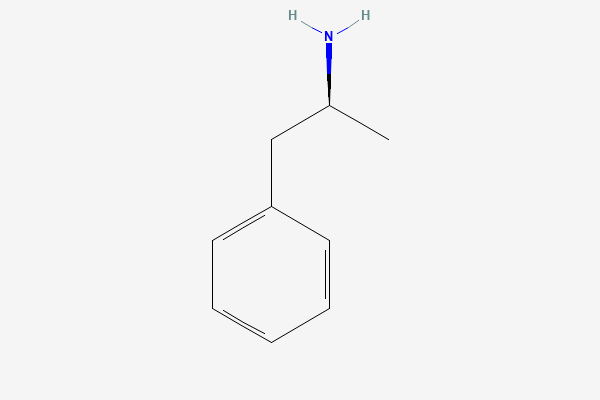
DextroamphetamineC9H13N
PubChem · CID 5826 ↗Exact molecular identity
(2S)-1-phenylpropan-2-amine
Reference structures from PubChem. Salts and stereoisomers may differ; a diagram does not verify a product’s contents or purity. Select an image to enlarge it.
More information
Experience, timeline, emergency steps and sources
What the experience may feel like
Dextroamphetamine can increase concentration, alertness, and energy, but can also cause reduced appetite, tremor, sweating, anxiety, insomnia, and a faster pulse. Psychotic or manic symptoms can occur even during prescribed use.
Duration by route
Onset is the time until the first effects. Total duration describes the main effects; after-effects are listed separately and may last longer.
- Onset
- 1–5 min
- Total duration
- 3–6 hours
- After-effects
- 2–4 hours
- Onset
- 15–30 min
- Total duration
- 6–8 hours
- After-effects
- 3–6 hours
These are estimated ranges from a community source, not medical safety limits. Amount, formulation, tolerance, combinations and individual differences affect timing. These ranges do not establish when it is safe to take more or drive. Not specified means the retrieved data has no figure, not that the time is zero.
Source: PsychonautWiki · Data retrieved
Dose information
No dose figure is published. Immediate-release and extended-release products are not interchangeable, and dosing must follow an individual prescription from a healthcare professional.
If the experience becomes an emergency
Emergency steps for Dextroamphetamine
If the experience becomes an emergency
Emergency steps for Dextroamphetamine
- Stop further use and move the person to a calm, cool, and safe environment.
- Loosen tight clothing and cool them gently. Do not force a large amount of fluid at once, and do not give other substances in an attempt to balance the effects.
- Call 112 for chest pain, a seizure, a very high temperature, severe confusion, difficulty breathing, or sudden weakness on one side.
- Stay with the person, monitor their breathing, and follow the instructions from 112.
Sources and limitations
PsychonautWiki and TripSit are community sources, not official medical guidance. Official emergency advice always takes priority when someone may be in danger. Where relevant, community information is compared with official health sources.
.
Long-acting stimulantMethamphetaminemetamfetamín, meth, crystal meth, crystal, iceA potent, long-acting stimulant that can cause severe strain on the heart, prolonged wakefulness, and psychosis.+
Urgent warning
Call 112 if
Chest pain, very high temperature, a seizure, a sudden severe headache, severe confusion, impaired consciousness, or signs of stroke.
Call 112Main risks
What matters most
- Overheating, heart attack, and stroke
- Prolonged sleep deprivation, psychosis, and exhaustion
- Compulsive redosing and addiction
Mixing
Combining with other substances
Other stimulants increase the risk of overheating and cardiac or neurological emergencies. Opioids and other depressants can hide warning signs and increase the risk of a fatal overdose.
Effects and risk reduction
Effects and safer use
Common effects
Intense energy, wakefulness, focus, and reduced appetite; also sweating, jaw tension, anxiety, paranoia, and repetitive behaviour.
If you choose to use
- Do not use alone
- Avoid prolonged wakefulness and repeated dosing
- Keep naloxone available if an illicit product may contain an opioid; naloxone does not reverse methamphetamine itself
Chemistry
Chemical structure
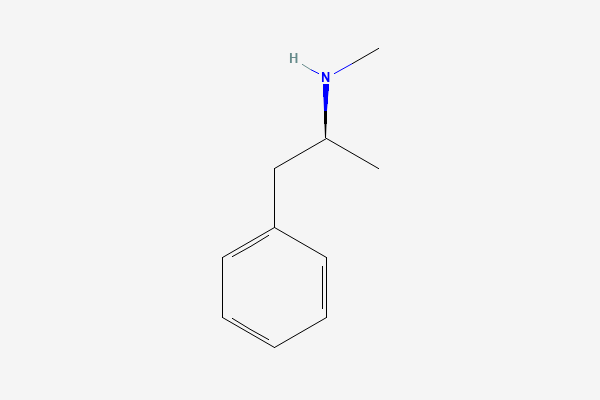
MethamphetamineC10H15N
PubChem · CID 10836 ↗Exact molecular identity
(2S)-N-methyl-1-phenylpropan-2-amine
Reference structures from PubChem. Salts and stereoisomers may differ; a diagram does not verify a product’s contents or purity. Select an image to enlarge it.
More information
Experience, timeline, emergency steps and sources
What the experience may feel like
Methamphetamine can cause intense energy, wakefulness, and concentration, but also jaw tension, sweating, a racing heart, anxiety, repetitive behaviour, and suspiciousness. It has a high addiction potential.
Duration by route
Onset is the time until the first effects. Total duration describes the main effects; after-effects are listed separately and may last longer.
- Onset
- 3–5 min
- Total duration
- 4–7 hours
- After-effects
- 6–24 hours
- Onset
- 15–30 sec
- Total duration
- 4–8 hours
- After-effects
- 12–24 hours
- Onset
- 15–45 min
- Total duration
- 8–12 hours
- After-effects
- 12–24 hours
- Onset
- 5–15 min
- Total duration
- 6–10 hours
- After-effects
- 12–24 hours
- Onset
- 7–10 sec
- Total duration
- 2–6 hours
- After-effects
- 2–24 hours
These are estimated ranges from a community source, not medical safety limits. Amount, formulation, tolerance, combinations and individual differences affect timing. These ranges do not establish when it is safe to take more or drive. Not specified means the retrieved data has no figure, not that the time is zero.
Source: PsychonautWiki · Data retrieved
Dose information
No dose figure is published. The strength and contents of illicit products are unverified, and the same amount can have very different effects.
If the experience becomes an emergency
Emergency steps for Methamphetamine
If the experience becomes an emergency
Emergency steps for Methamphetamine
- Stop further use and move the person to a calm, cool, and safe environment.
- Loosen tight clothing and cool them gently. Do not force a large amount of fluid at once, and do not give other substances in an attempt to balance the effects.
- Call 112 for chest pain, a seizure, a very high temperature, severe confusion, difficulty breathing, or sudden weakness on one side.
- Stay with the person, monitor their breathing, and follow the instructions from 112.
Sources and limitations
PsychonautWiki and TripSit are community sources, not official medical guidance. Official emergency advice always takes priority when someone may be in danger. Where relevant, community information is compared with official health sources.
.
StimulantsCocainekók, coke, crackA short-acting stimulant that can rapidly increase heart rate and blood pressure.+
Urgent warning
Call 112 if
Chest pain, a seizure, a sudden headache, weakness on one side, or severe difficulty breathing.
Call 112Main risks
What matters most
- Heart attack or stroke
- Seizures and overheating
- Anxiety, paranoia, and compulsive redosing
Mixing
Combining with other substances
Alcohol and cocaine form a toxic breakdown product and increase strain on the heart. Also avoid other stimulants.
Effects and risk reduction
Effects and safer use
Common effects
Energy, alertness, increased confidence, and reduced appetite.
If you choose to use
- Do not use alone
- Take breaks and monitor your temperature and heartbeat
- Do not share equipment that comes into contact with blood or mucous membranes
Chemistry
Chemical structure
![2D structural formula: Cocaine. methyl (1R,2R,3S,5S)-3-benzoyloxy-8-methyl-8-azabicyclo[3.2.1]octane-2-carboxylate](/chemical-structures/446220.png)
CocaineC17H21NO4
PubChem · CID 446220 ↗Exact molecular identity
methyl (1R,2R,3S,5S)-3-benzoyloxy-8-methyl-8-azabicyclo[3.2.1]octane-2-carboxylate
Reference structures from PubChem. Salts and stereoisomers may differ; a diagram does not verify a product’s contents or purity. Select an image to enlarge it.
More information
Experience, timeline, dose references, emergency steps and sources
What the experience may feel like
Effects often begin quickly and can include increased energy, confidence, talkativeness, and euphoria. The short effect and abrupt comedown can encourage redosing, while strain on the heart accumulates even as the euphoria fades.
Duration by route
Onset is the time until the first effects. Total duration describes the main effects; after-effects are listed separately and may last longer.
- Onset
- 3–10 min
- Total duration
- 10–90 min
- After-effects
- Not specified
- Onset
- 3–5 sec
- Total duration
- 5–15 min
- After-effects
- Not specified
- Onset
- 30–40 min
- Total duration
- 120–240 min
- After-effects
- Not specified
- Onset
- 3–5 sec
- Total duration
- 5–15 min
- After-effects
- Not specified
These are estimated ranges from a community source, not medical safety limits. Amount, formulation, tolerance, combinations and individual differences affect timing. These ranges do not establish when it is safe to take more or drive. Not specified means the retrieved data has no figure, not that the time is zero.
Source: PsychonautWiki · Data retrieved
Dose ranges are not safety limits
These community-reported reference ranges come from PsychonautWiki and, where stated, TripSit. They are not necessarily pharmacologically or medically validated, do not identify a safe dose and are not a recommendation to use.
“Heavy” means a very large, high-risk amount, not a target. Serious harm, hospital admission or death can occur at much lower amounts. Strength, contents, route, tolerance, health, medicines and mixing can change the effects.
The cards reproduce every level shown by the named source. If a product contains an unknown or mislabelled substance, every dose figure may be irrelevant.
For this substance: The table separates smoked, oral, intranasal, and intravenous use of verified cocaine. A serious cardiac or neurological event can occur at amounts below those shown in the table and without warning.
Cocaine by route of administration
All five levels are user-reported guidelines from PsychonautWiki as retrieved on 22 July 2026. They are not medical dosing advice. “Heavy” is a high-risk category, not a recommendation, and routes of administration are not interchangeable. A serious cardiac or neurological event can occur at any amount. Purity, adulteration, and repeated dosing make the amounts particularly unreliable.
Cocaine
RouteSmoked
- Threshold
- 2.5 mg
- Light
- 5–15 mg
- Common
- 15–30 mg
- Strong
- 30–45 mg
- Heavy
- ≥45 mg
Note: Very rapid onset encourages repeated dosing.
Cocaine
RouteOral
- Threshold
- 13 mg
- Light
- 13–75 mg
- Common
- 75–150 mg
- Strong
- 150–225 mg
- Heavy
- ≥225 mg
Note: Effects may begin more slowly, but strain on the heart still accumulates.
Cocaine
RouteIntranasal
- Threshold
- 5 mg
- Light
- 10–30 mg
- Common
- 30–60 mg
- Strong
- 60–90 mg
- Heavy
- ≥90 mg
Note: Repeated use damages the nasal lining and prolongs strain on the heart.
Cocaine
RouteIntravenous
- Threshold
- 2 mg
- Light
- 2–5 mg
- Common
- 5–10 mg
- Strong
- 10–15 mg
- Heavy
- ≥15 mg
Note: Very rapid onset and a high risk of cardiac arrest, overdose, infection, and vein damage.
If the experience becomes an emergency
Emergency steps for Cocaine
If the experience becomes an emergency
Emergency steps for Cocaine
- Stop further use and move the person to a calm, cool, and safe environment.
- Loosen tight clothing and cool them gently. Do not force a large amount of fluid at once, and do not give other substances in an attempt to balance the effects.
- Call 112 for chest pain, a seizure, a very high temperature, severe confusion, difficulty breathing, or sudden weakness on one side.
- Stay with the person, monitor their breathing, and follow the instructions from 112.
Sources and limitations
PsychonautWiki and TripSit are community sources, not official medical guidance. Official emergency advice always takes priority when someone may be in danger. Where relevant, community information is compared with official health sources.
.
StimulantsSynthetic cathinones3-MMC, 4-MMC/mephedrone, bath salts, unknown stimulant powdersNewer stimulants with variable strength and limited information about long-term effects.+
Urgent warning
Call 112 if
Chest pain, high temperature, a seizure, impaired consciousness, or uncontrollable agitation.
Call 112Main risks
What matters most
- Overheating and strain on the heart
- Severe anxiety or psychosis
- Compulsive redosing
Mixing
Combining with other substances
Other stimulants and some serotonergic medicines can increase strain on temperature regulation, the heart, and the nervous system. The risk depends on the substance actually present.
Effects and risk reduction
Effects and safer use
Common effects
Energy, euphoria, sociability, and increased heart rate.
If you choose to use
- Assume the name and contents may be wrong
- Do not use alone
- Avoid staying awake for long periods and hot environments
Chemical structure
This name covers multiple molecules or unknown contents. A single structural formula cannot represent it; choose a specific substance to see its structure.
More information
Experience, timeline, dose references, emergency steps and sources
What the experience may feel like
Effects can include energy, euphoria, sociability, and sexual arousal, but also a very rapid heartbeat, anxiety, and compulsive redosing. 3-MMC, 4-MMC, and other cathinones are not equivalent.
Duration by route
No single duration applies to this group or unknown contents. Choose a specific substance for route-specific information where available.
Source: PsychonautWiki · Data retrieved
Dose ranges are not safety limits
These community-reported reference ranges come from PsychonautWiki and, where stated, TripSit. They are not necessarily pharmacologically or medically validated, do not identify a safe dose and are not a recommendation to use.
“Heavy” means a very large, high-risk amount, not a target. Serious harm, hospital admission or death can occur at much lower amounts. Strength, contents, route, tolerance, health, medicines and mixing can change the effects.
The cards reproduce every level shown by the named source. If a product contains an unknown or mislabelled substance, every dose figure may be irrelevant.
For this substance: The table applies only to verified 4-MMC, also called mephedrone, and separates oral from intranasal use. It does not apply to 3-MMC or to synthetic cathinones as a class.
4-MMC (mephedrone) by route of administration
All five levels are user-reported guidelines from PsychonautWiki as retrieved on 10 September 2026. They are not medical dosing advice. “Heavy” is a high-risk category, not a recommendation, and routes of administration are not interchangeable. This table applies only to verified 4-MMC. It does not apply to 3-MMC, another cathinone, or a product sold only under a particular name.
4-MMC
RouteOral
- Threshold
- 15 mg
- Light
- 50–100 mg
- Common
- 100–200 mg
- Strong
- 200–300 mg
- Heavy
- ≥300 mg
Note: The urge to redose, overheating, and strain on the heart can increase quickly.
4-MMC
RouteIntranasal
- Threshold
- 5 mg
- Light
- 15–45 mg
- Common
- 45–80 mg
- Strong
- 80–125 mg
- Heavy
- ≥125 mg
Note: Faster onset and a strong urge to redose.
If the experience becomes an emergency
Emergency steps for Synthetic cathinones
If the experience becomes an emergency
Emergency steps for Synthetic cathinones
- Stop further use and move the person to a calm, cool, and safe environment.
- Loosen tight clothing and cool them gently. Do not force a large amount of fluid at once, and do not give other substances in an attempt to balance the effects.
- Call 112 for chest pain, a seizure, a very high temperature, severe confusion, difficulty breathing, or sudden weakness on one side.
- Stay with the person, monitor their breathing, and follow the instructions from 112.
Sources and limitations
PsychonautWiki and TripSit are community sources, not official medical guidance. Official emergency advice always takes priority when someone may be in danger. Where relevant, community information is compared with official health sources.
.
Stimulant and addictiveNicotinetobacco, vape, nicotine pouches, e-cigarette liquidA highly addictive substance that raises heart rate and blood pressure. Liquid can cause poisoning if swallowed or absorbed through the skin.+
Urgent warning
Call 112 if
Severe nausea, sweating, confusion, difficulty breathing, a seizure, or impaired consciousness.
Call 112Main risks
What matters most
- Strong dependence
- Heart and blood vessel damage, especially from tobacco
- Nicotine poisoning in children and adults
Mixing
Combining with other substances
Other stimulants can worsen uncomfortable heartbeats and high blood pressure.
Effects and risk reduction
Effects and safer use
Common effects
Alertness, temporary calm, and increased heart rate.
If you choose to use
- Keep liquids and pouches locked away from children and animals
- Wash skin immediately if liquid spills onto it
- Call the Poison Information Centre if ingestion is suspected
Chemistry
Chemical structure
![2D structural formula: Nicotine. 3-[(2S)-1-methylpyrrolidin-2-yl]pyridine](/chemical-structures/89594.png)
NicotineC10H14N2
PubChem · CID 89594 ↗Exact molecular identity
3-[(2S)-1-methylpyrrolidin-2-yl]pyridine
Reference structures from PubChem. Salts and stereoisomers may differ; a diagram does not verify a product’s contents or purity. Select an image to enlarge it.
More information
Experience, timeline, dose references, emergency steps and sources
What the experience may feel like
Nicotine can cause brief alertness, concentration, calm, or pleasure. Too much often becomes unpleasant quickly, with nausea, sweating, excess saliva, dizziness, tremor, and a racing heart.
Duration by route
Onset is the time until the first effects. Total duration describes the main effects; after-effects are listed separately and may last longer.
- Onset
- 3–15 min
- Total duration
- 45–90 min
- After-effects
- 2–6 hours
- Onset
- 20–40 min
- Total duration
- 5–7 hours
- After-effects
- 2–4 hours
- Onset
- 5–20 sec
- Total duration
- 1–3 hours
- After-effects
- 1–3 hours
These are estimated ranges from a community source, not medical safety limits. Amount, formulation, tolerance, combinations and individual differences affect timing. These ranges do not establish when it is safe to take more or drive. Not specified means the retrieved data has no figure, not that the time is zero.
Source: PsychonautWiki · Data retrieved
Dose ranges are not safety limits
These community-reported reference ranges come from PsychonautWiki and, where stated, TripSit. They are not necessarily pharmacologically or medically validated, do not identify a safe dose and are not a recommendation to use.
“Heavy” means a very large, high-risk amount, not a target. Serious harm, hospital admission or death can occur at much lower amounts. Strength, contents, route, tolerance, health, medicines and mixing can change the effects.
The cards reproduce every level shown by the named source. If a product contains an unknown or mislabelled substance, every dose figure may be irrelevant.
For this substance: The table separates smoked, swallowed, and buccal nicotine according to the source. The amount shown on a pouch, liquid, or package is not necessarily equal to the absorbed dose.
Nicotine by route of administration
All five levels are user-reported guidelines from PsychonautWiki as retrieved on 22 July 2026. They are not medical dosing advice. “Heavy” is a high-risk category, not a recommendation, and routes of administration are not interchangeable. The amounts refer to nicotine, not automatically to the amount printed on a pouch, liquid, or package. Absorption and the actual strength of products vary.
Nicotine
RouteSmoked
- Threshold
- 0.2 mg
- Light
- 0.3–0.8 mg
- Common
- 0.8–1.5 mg
- Strong
- 1.5–3.5 mg
- Heavy
- ≥3.5 mg
Note: Does not automatically apply to e-cigarette liquid or the amount printed on packaging.
Nicotine
RouteOral (swallowed)
- Threshold
- 0.2 mg
- Light
- 1–3 mg
- Common
- 3–5 mg
- Strong
- 5–7 mg
- Heavy
- ≥7 mg
Note: Swallowed nicotine can cause poisoning; do not induce vomiting.
Nicotine
RouteBuccal
- Threshold
- 0.2 mg
- Light
- 0.5–2 mg
- Common
- 2–4 mg
- Strong
- 4–6 mg
- Heavy
- ≥6 mg
Note: Pouches may contain a different amount from the label, and absorption varies.
If the experience becomes an emergency
Emergency steps for Nicotine
If the experience becomes an emergency
Emergency steps for Nicotine
- Remove nicotine pouches from the mouth and stop further use. Do not induce vomiting.
- If nicotine liquid has leaked onto the skin, wash it immediately with soap and water and remove contaminated clothing.
- Call the Landspítali Poison Information Centre on 543 2222 if ingestion or poisoning is suspected.
- Call 112 for difficulty breathing, a seizure, severe confusion, collapse, or impaired consciousness.
Sources and limitations
PsychonautWiki and TripSit are community sources, not official medical guidance. Official emergency advice always takes priority when someone may be in danger. Where relevant, community information is compared with official health sources.
.
Stimulant medicineMethylphenidateRitalin, Concerta, Medikinet, ADHD medicineA prescription stimulant that raises heart rate and blood pressure and can cause severe effects if misused.+
Urgent warning
Call 112 if
Chest pain, a seizure, fainting, difficulty breathing, symptoms of a stroke, or extreme agitation.
Call 112Main risks
What matters most
- Heart and blood pressure problems
- Seizures and overheating
- Anxiety, psychosis, and insomnia
Mixing
Combining with other substances
Other stimulants, cocaine, and MAO inhibitors can dangerously increase blood pressure, temperature, and strain on the heart.
Effects and risk reduction
Effects and safer use
Common effects
Alertness, focus, and reduced appetite. Euphoria, anxiety, and restlessness can also occur.
If you choose to use
- Only take medicines from a pharmacy that were prescribed to you
- Avoid extra doses and staying awake for long periods
- Do not drive if you experience unusual or severe symptoms
Chemistry
Chemical structure
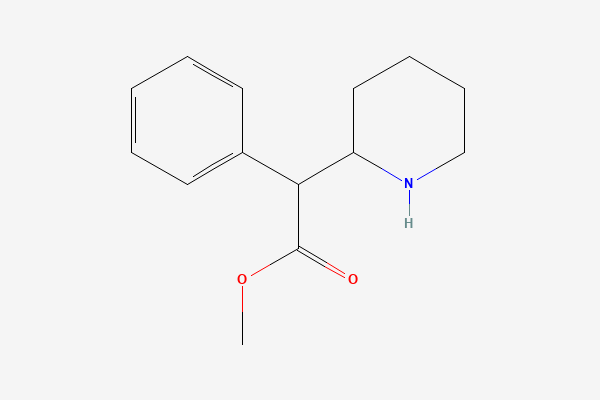
MethylphenidateC14H19NO2
PubChem · CID 4158 ↗Exact molecular identity
methyl 2-phenyl-2-piperidin-2-ylacetate
Reference structures from PubChem. Salts and stereoisomers may differ; a diagram does not verify a product’s contents or purity. Select an image to enlarge it.
More information
Experience, timeline, dose references, emergency steps and sources
What the experience may feel like
Methylphenidate can increase alertness and concentration but can also cause reduced appetite, a racing heart, anxiety, and restlessness. Misuse or prolonged wakefulness can lead to confusion and psychosis.
Duration by route
Onset is the time until the first effects. Total duration describes the main effects; after-effects are listed separately and may last longer.
- Onset
- 5–20 min
- Total duration
- 2–4 hours
- After-effects
- 1–4 hours
- Onset
- 30–60 min
- Total duration
- 2.5–4 hours
- After-effects
- 2–6 hours
These are estimated ranges from a community source, not medical safety limits. Amount, formulation, tolerance, combinations and individual differences affect timing. These ranges do not establish when it is safe to take more or drive. Not specified means the retrieved data has no figure, not that the time is zero.
Source: PsychonautWiki · Data retrieved
Dose ranges are not safety limits
These community-reported reference ranges come from PsychonautWiki and, where stated, TripSit. They are not necessarily pharmacologically or medically validated, do not identify a safe dose and are not a recommendation to use.
“Heavy” means a very large, high-risk amount, not a target. Serious harm, hospital admission or death can occur at much lower amounts. Strength, contents, route, tolerance, health, medicines and mixing can change the effects.
The cards reproduce every level shown by the named source. If a product contains an unknown or mislabelled substance, every dose figure may be irrelevant.
For this substance: The table separates oral and intranasal methylphenidate according to the source. Immediate-release and extended-release formulations are not interchangeable.
Methylphenidate by route of administration
All five levels are user-reported guidelines from PsychonautWiki as retrieved on 22 July 2026. They are not medical dosing advice. “Heavy” is a high-risk category, not a recommendation, and routes of administration are not interchangeable. Immediate-release and extended-release formulations are not equivalent, and crushing an extended-release medicine can change absorption dangerously.
Methylphenidate
RouteOral
- Threshold
- 5 mg
- Light
- 10–20 mg
- Common
- 20–40 mg
- Strong
- 40–60 mg
- Heavy
- ≥60 mg
Note: Take the medicine only as prescribed and in its prescribed formulation.
Methylphenidate
RouteIntranasal
- Threshold
- 1 mg
- Light
- 2–10 mg
- Common
- 10–30 mg
- Strong
- 30–60 mg
- Heavy
- ≥60 mg
Note: A crushed tablet contains binders and can damage the nose; faster absorption increases strain on the heart.
If the experience becomes an emergency
Emergency steps for Methylphenidate
If the experience becomes an emergency
Emergency steps for Methylphenidate
- Stop further use and move the person to a calm, cool, and safe environment.
- Loosen tight clothing and cool them gently. Do not force a large amount of fluid at once, and do not give other substances in an attempt to balance the effects.
- Call 112 for chest pain, a seizure, a very high temperature, severe confusion, difficulty breathing, or sudden weakness on one side.
- Stay with the person, monitor their breathing, and follow the instructions from 112.
Sources and limitations
PsychonautWiki and TripSit are community sources, not official medical guidance. Official emergency advice always takes priority when someone may be in danger. Where relevant, community information is compared with official health sources.
.
Empathogens
1Empathogen and stimulantMDMAecstasy, e, molly, crystals and tabletsA stimulant and perception-altering substance; tablets and powders may contain substances other than the one expected.+
Urgent warning
Call 112 if
Very high temperature, confusion, rigid muscles, a seizure, impaired consciousness, or a rapid irregular pulse.
Call 112Main risks
What matters most
- Overheating and salt imbalance
- Serotonin syndrome
- Anxiety, exhaustion, and low mood after use
Mixing
Combining with other substances
Avoid other stimulants and medicines that affect serotonin. Depressants can hide warning signs.
Effects and risk reduction
Effects and safer use
Common effects
Increased closeness, euphoria, energy, and sensitivity to touch and music.
If you choose to use
- Take regular breaks from dancing and heat
- Drink moderately and regularly. Do not drink litres at once
- Do not use alone
- Avoid redosing. It can cause the amount in your body to build up and increase heat and strain on the heart
Chemistry
Chemical structure
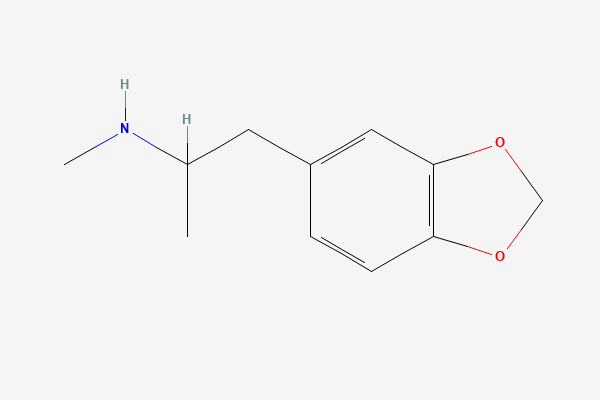
MDMAC11H15NO2
PubChem · CID 1615 ↗Exact molecular identity
1-(1,3-benzodioxol-5-yl)-N-methylpropan-2-amine
Reference structures from PubChem. Salts and stereoisomers may differ; a diagram does not verify a product’s contents or purity. Select an image to enlarge it.
More information
Experience, timeline, dose references, emergency steps and sources
What the experience may feel like
Common effects include increased closeness, empathy, energy, euphoria, and sensitivity to music or touch. Larger doses increase jaw tension, confusion, overheating, and strain on the heart without necessarily improving the desired effects.
Duration by route
Onset is the time until the first effects. Total duration describes the main effects; after-effects are listed separately and may last longer.
- Onset
- 30–45 min
- Total duration
- 3–6 hours
- After-effects
- 12–48 hours
These are estimated ranges from a community source, not medical safety limits. Amount, formulation, tolerance, combinations and individual differences affect timing. These ranges do not establish when it is safe to take more or drive. Not specified means the retrieved data has no figure, not that the time is zero.
Source: PsychonautWiki · Data retrieved
Dose ranges are not safety limits
These community-reported reference ranges come from PsychonautWiki and, where stated, TripSit. They are not necessarily pharmacologically or medically validated, do not identify a safe dose and are not a recommendation to use.
“Heavy” means a very large, high-risk amount, not a target. Serious harm, hospital admission or death can occur at much lower amounts. Strength, contents, route, tolerance, health, medicines and mixing can change the effects.
The cards reproduce every level shown by the named source. If a product contains an unknown or mislabelled substance, every dose figure may be irrelevant.
For this substance: The guidelines apply only to verified oral MDMA. A tablet, colour, or crystals confirm neither contents nor amount, and repeated dosing can cause the concentration to accumulate before the earlier dose has peaked.
MDMA by route of administration
All five levels are user-reported guidelines from PsychonautWiki as retrieved on 22 July 2026. They are not medical dosing advice. “Heavy” is a high-risk category, not a recommendation, and routes of administration are not interchangeable. A tablet, colour, or crystals confirm neither contents nor amount. Repeated dosing and serotonergic medicines can increase the risk of overheating and serotonin syndrome.
MDMA
RouteOral
- Threshold
- 20 mg
- Light
- 20–80 mg
- Common
- 80–120 mg
- Strong
- 120–150 mg
- Heavy
- ≥150 mg
Note: Applies only to verified MDMA, not a tablet or powder of uncertain contents.
If the experience becomes an emergency
Emergency steps for MDMA
If the experience becomes an emergency
Emergency steps for MDMA
- Stop further use and move the person to a calm, cool, and safe environment.
- Loosen tight clothing and cool them gently. Do not force a large amount of fluid at once, and do not give other substances in an attempt to balance the effects.
- Call 112 for chest pain, a seizure, a very high temperature, severe confusion, difficulty breathing, or sudden weakness on one side.
- Stay with the person, monitor their breathing, and follow the instructions from 112.
Sources and limitations
PsychonautWiki and TripSit are community sources, not official medical guidance. Official emergency advice always takes priority when someone may be in danger. Where relevant, community information is compared with official health sources.
.
Psychedelics
6PsychedelicsLSDsýra, acid, blotter, dropsA long-acting psychedelic that can profoundly alter perception, the experience of time, and thinking.+
Urgent warning
Call 112 if
A person poses a danger to themselves or others, has a seizure, collapses, or shows persistent symptoms of psychosis.
Call 112Main risks
What matters most
- Panic and dangerous behaviour
- Rare psychotic reactions; risk may be greater with an existing mental health condition
- Accidents due to impaired perception of reality
Mixing
Combining with other substances
Combinations can make psychological effects and behaviour more unpredictable; especially avoid stimulants and cannabis if anxiety increases.
Effects and risk reduction
Effects and safer use
Common effects
Visual and emotional changes in perception, increased sensitivity, and unpredictable psychological effects.
If you choose to use
- Choose calm, safe surroundings
- Have a sober, trusted person nearby
- Avoid use if you are mentally unstable or have a history of psychosis
Chemistry
Chemical structure
![2D structural formula: LSD. (6aR,9R)-N,N-diethyl-7-methyl-6,6a,8,9-tetrahydro-4H-indolo[4,3-fg]quinoline-9-carboxamide](/chemical-structures/5761.png)
LSDC20H25N3O
PubChem · CID 5761 ↗Exact molecular identity
(6aR,9R)-N,N-diethyl-7-methyl-6,6a,8,9-tetrahydro-4H-indolo[4,3-fg]quinoline-9-carboxamide
Reference structures from PubChem. Salts and stereoisomers may differ; a diagram does not verify a product’s contents or purity. Select an image to enlarge it.
More information
Experience, timeline, dose references, emergency steps and sources
What the experience may feel like
LSD can intensify colours, patterns, connections between thoughts, emotions, and altered time perception. The experience is often stimulating and long-lasting; anxiety, thought loops, paranoia, and loss of the sense of self become more likely as the effect grows stronger.
Duration by route
Onset is the time until the first effects. Total duration describes the main effects; after-effects are listed separately and may last longer.
- Onset
- 15–30 min
- Total duration
- 8–12 hours
- After-effects
- 12–48 hours
These are estimated ranges from a community source, not medical safety limits. Amount, formulation, tolerance, combinations and individual differences affect timing. These ranges do not establish when it is safe to take more or drive. Not specified means the retrieved data has no figure, not that the time is zero.
Source: PsychonautWiki · Data retrieved
Dose ranges are not safety limits
These community-reported reference ranges come from PsychonautWiki and, where stated, TripSit. They are not necessarily pharmacologically or medically validated, do not identify a safe dose and are not a recommendation to use.
“Heavy” means a very large, high-risk amount, not a target. Serious harm, hospital admission or death can occur at much lower amounts. Strength, contents, route, tolerance, health, medicines and mixing can change the effects.
The cards reproduce every level shown by the named source. If a product contains an unknown or mislabelled substance, every dose figure may be irrelevant.
For this substance: The table applies only to verified LSD used sublingually and measured in micrograms. The strength of blotter paper or drops is rarely verified, and NBOMe, NBOH, or other substances may be sold as LSD.
LSD by route of administration
All five levels are user-reported guidelines from PsychonautWiki as retrieved on 10 September 2026. They are not medical dosing advice. “Heavy” is a high-risk category, not a recommendation, and routes of administration are not interchangeable. The strength of blotter paper or drops is rarely verified, and NBOMe, NBOH, or other substances may be sold as LSD.
LSD
RouteSublingual
- Threshold
- 15 µg
- Light
- 15–75 µg
- Common
- 75–150 µg
- Strong
- 150–300 µg
- Heavy
- ≥300 µg
Note: Micrograms cannot be seen with the naked eye, and a label on blotter paper does not verify its strength.
If the experience becomes an emergency
Emergency steps for LSD
If the experience becomes an emergency
Emergency steps for LSD
- Move the person to a calm, familiar environment and reduce light, noise, and the number of people present.
- Have one sober, trusted person stay with them. Speak calmly, use short sentences, and remind them that the effects will pass.
- Do not argue about delusions and do not restrain the person unless an immediate danger makes it necessary.
- Call 112 for a seizure, chest pain, impaired consciousness, suicide risk, uncontrollable dangerous behaviour, or persistent psychotic symptoms.
Sources and limitations
PsychonautWiki and TripSit are community sources, not official medical guidance. Official emergency advice always takes priority when someone may be in danger. Where relevant, community information is compared with official health sources.
.
PsychedelicsPsilocybinpsychedelic mushrooms, mushrooms, magic mushroomsA psychedelic found in certain mushrooms; misidentified wild mushrooms may themselves be poisonous.+
Urgent warning
Call 112 if
Severe vomiting, a seizure, impaired consciousness, difficulty breathing, or dangerous behaviour.
Call 112Main risks
What matters most
- Panic and confusion
- Poisonous mushrooms due to misidentification
- Psychosis-like symptoms or worsening mental health problems
Mixing
Combining with other substances
Combinations can increase anxiety, confusion, and physical risks.
Effects and risk reduction
Effects and safer use
Common effects
Altered perception, emotions, and thinking; sometimes nausea or anxiety.
If you choose to use
- Never eat wild mushrooms that have not been positively identified
- Choose calm surroundings and a trusted companion
- Avoid use if you are mentally unstable
Chemistry
Chemical structure
These diagrams show specific active compounds in the plant or mushrooms, not their full composition.
![2D structural formula: Psilósýbín. [3-[2-(dimethylamino)ethyl]-1H-indol-4-yl] dihydrogen phosphate](/chemical-structures/10624.png)
PsilósýbínC12H17N2O4P
PubChem · CID 10624 ↗Exact molecular identity
[3-[2-(dimethylamino)ethyl]-1H-indol-4-yl] dihydrogen phosphate
![2D structural formula: Psilósín. 3-[2-(dimethylamino)ethyl]-1H-indol-4-ol](/chemical-structures/4980.png)
PsilósínC12H16N2O
PubChem · CID 4980 ↗Exact molecular identity
3-[2-(dimethylamino)ethyl]-1H-indol-4-ol
Reference structures from PubChem. Salts and stereoisomers may differ; a diagram does not verify a product’s contents or purity. Select an image to enlarge it.
More information
Experience, timeline, dose references, emergency steps and sources
What the experience may feel like
The experience is often dreamlike, emotional, and introspective, with altered colours, patterns, and time perception. Nausea, yawning, bodily heaviness, confusion, and intense waves of emotion may occur.
Duration by route
Onset is the time until the first effects. Total duration describes the main effects; after-effects are listed separately and may last longer.
- Onset
- 20–45 min
- Total duration
- 6–8 hours
- After-effects
- 4–24 hours
These are estimated ranges from a community source, not medical safety limits. Amount, formulation, tolerance, combinations and individual differences affect timing. These ranges do not establish when it is safe to take more or drive. Not specified means the retrieved data has no figure, not that the time is zero.
Source: PsychonautWiki · Data retrieved
Dose ranges are not safety limits
These community-reported reference ranges come from PsychonautWiki and, where stated, TripSit. They are not necessarily pharmacologically or medically validated, do not identify a safe dose and are not a recommendation to use.
“Heavy” means a very large, high-risk amount, not a target. Serious harm, hospital admission or death can occur at much lower amounts. Strength, contents, route, tolerance, health, medicines and mixing can change the effects.
The cards reproduce every level shown by the named source. If a product contains an unknown or mislabelled substance, every dose figure may be irrelevant.
For this substance: The table applies to pure oral psilocybin, not grams of mushrooms. Do not convert the ranges into mushroom weight because potency varies greatly and wild mushrooms can be misidentified.
Pure psilocybin by route of administration
All five levels are user-reported guidelines from PsychonautWiki as retrieved on 10 September 2026. They are not medical dosing advice. “Heavy” is a high-risk category, not a recommendation, and routes of administration are not interchangeable. The amounts apply to pure psilocybin, not grams of mushrooms. Mushroom potency varies greatly, and wild mushrooms can be misidentified.
Psilocybin
RouteOral
- Threshold
- 2.5 mg
- Light
- 2.5–10 mg
- Common
- 10–25 mg
- Strong
- 25–50 mg
- Heavy
- ≥50 mg
Note: Do not convert these amounts directly into a weight of mushrooms.
If the experience becomes an emergency
Emergency steps for Psilocybin
If the experience becomes an emergency
Emergency steps for Psilocybin
- Move the person to a calm, familiar environment and reduce light, noise, and the number of people present.
- Have one sober, trusted person stay with them. Speak calmly, use short sentences, and remind them that the effects will pass.
- Do not argue about delusions and do not restrain the person unless an immediate danger makes it necessary.
- Call 112 for a seizure, chest pain, impaired consciousness, suicide risk, uncontrollable dangerous behaviour, or persistent psychotic symptoms.
Sources and limitations
PsychonautWiki and TripSit are community sources, not official medical guidance. Official emergency advice always takes priority when someone may be in danger. Where relevant, community information is compared with official health sources.
.
Psychedelics2C-B and other new hallucinogens2C-B, NBOMe, DOB, blotter or tablets with uncertain contentsDifferent substances may be sold under the same name, and some have very narrow safety margins.+
Urgent warning
Call 112 if
Chest pain, a seizure, high temperature, blue or cold limbs, or impaired consciousness.
Call 112Main risks
What matters most
- Anxiety, confusion, or panic
- A rapid pulse or raised blood pressure
- Nausea, headache, or muscle cramps
Mixing
Combining with other substances
Combinations with stimulants, MAO inhibitors, or other perception-altering substances can be especially unpredictable.
Effects and risk reduction
Effects and safer use
Common effects
Altered perception, energy, and hallucinations; effects depend heavily on the actual contents.
If you choose to use
- Do not trust a name, colour, or logo as proof of contents
- Do not use alone
- Call for help early if wellbeing deteriorates quickly
Chemistry
Chemical structure
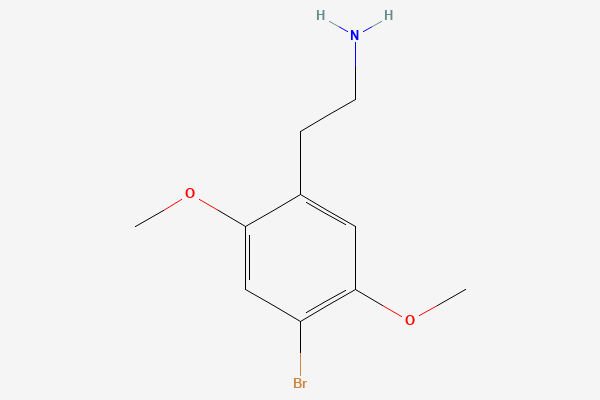
2C-B and other new hallucinogensC10H14BrNO2
PubChem · CID 98527 ↗Exact molecular identity
2-(4-bromo-2,5-dimethoxyphenyl)ethanamine
Reference structures from PubChem. Salts and stereoisomers may differ; a diagram does not verify a product’s contents or purity. Select an image to enlarge it.
More information
Experience, timeline, dose references, emergency steps and sources
What the experience may feel like
2C-B can alter colours, patterns, touch, thought, and time perception, with stimulation. Nausea, headache, a racing heart, anxiety, confusion, or panic can also occur.
Duration by route
Onset is the time until the first effects. Total duration describes the main effects; after-effects are listed separately and may last longer.
- Onset
- 1–5 min
- Total duration
- 4–6 hours
- After-effects
- 2–4 hours
- Onset
- 5–15 sec
- Total duration
- 2–3 hours
- After-effects
- Not specified
- Onset
- 20–40 min
- Total duration
- 5–7 hours
- After-effects
- 2–4 hours
- Onset
- 0–20 min
- Total duration
- 4–7 hours
- After-effects
- Not specified
These are estimated ranges from a community source, not medical safety limits. Amount, formulation, tolerance, combinations and individual differences affect timing. These ranges do not establish when it is safe to take more or drive. Not specified means the retrieved data has no figure, not that the time is zero.
Source: PsychonautWiki · Data retrieved
Dose ranges are not safety limits
These community-reported reference ranges come from PsychonautWiki and, where stated, TripSit. They are not necessarily pharmacologically or medically validated, do not identify a safe dose and are not a recommendation to use.
“Heavy” means a very large, high-risk amount, not a target. Serious harm, hospital admission or death can occur at much lower amounts. Strength, contents, route, tolerance, health, medicines and mixing can change the effects.
The cards reproduce every level shown by the named source. If a product contains an unknown or mislabelled substance, every dose figure may be irrelevant.
For this substance: The table separates four routes of administration for verified 2C-B. It does not apply at all to NBOMe, NBOH, DOB, or unknown powder sold under the same name.
Verified 2C-B by route of administration
All five levels are user-reported guidelines from PsychonautWiki as retrieved on 10 September 2026. They are not medical dosing advice. “Heavy” is a high-risk category, not a recommendation, and routes of administration are not interchangeable. The amounts do not apply to NBOMe, NBOH, DOB, or other substances that may be sold under the same name and have a much narrower margin for error.
2C-B
RouteOral
- Threshold
- 5 mg
- Light
- 10–15 mg
- Common
- 15–25 mg
- Strong
- 25–45 mg
- Heavy
- ≥45 mg
Note: Applies only to 2C-B with verified contents.
2C-B
RouteIntranasal
- Threshold
- <1 mg
- Light
- 5–8 mg
- Common
- 8–12 mg
- Strong
- 12–23 mg
- Heavy
- ≥23 mg
Note: Much faster and often more painful onset than oral use.
2C-B
RouteRectal
- Threshold
- <1 mg
- Light
- 5–8 mg
- Common
- 8–12 mg
- Strong
- 12–23 mg
- Heavy
- ≥23 mg
Note: Faster absorption than oral use; the amount does not apply to unknown powder.
2C-B
RouteIntravenous
- Threshold
- <1 mg
- Light
- 1–2.5 mg
- Common
- 2.5–5 mg
- Strong
- 5–10 mg
- Heavy
- ≥10 mg
Note: A very narrow margin for error and a high risk of overdose, infection, and vein damage.
If the experience becomes an emergency
Emergency steps for 2C-B and other new hallucinogens
If the experience becomes an emergency
Emergency steps for 2C-B and other new hallucinogens
- Move the person to a calm, familiar environment and reduce light, noise, and the number of people present.
- Have one sober, trusted person stay with them. Speak calmly, use short sentences, and remind them that the effects will pass.
- Do not argue about delusions and do not restrain the person unless an immediate danger makes it necessary.
- Call 112 for a seizure, chest pain, impaired consciousness, suicide risk, uncontrollable dangerous behaviour, or persistent psychotic symptoms.
Sources and limitations
PsychonautWiki and TripSit are community sources, not official medical guidance. Official emergency advice always takes priority when someone may be in danger. Where relevant, community information is compared with official health sources.
.
PsychedelicsDMT / ayahuascaN,N-DMT, ayahuasca, changa, pharmahuascaA very powerful psychedelic. Ayahuasca and changa also contain MAO inhibitors, last for different lengths of time, and have more interactions.+
Urgent warning
Call 112 if
A seizure, chest pain, unconsciousness, difficulty breathing, dangerous behaviour, or persistent symptoms of psychosis.
Call 112Main risks
What matters most
- Panic and dangerous behaviour
- Vomiting and aspiration
- Dangerous interactions due to MAO inhibitors
Mixing
Combining with other substances
The MAO inhibitors in ayahuasca and changa can interact dangerously with many antidepressants, stimulants, and tramadol.
Effects and risk reduction
Effects and safer use
Common effects
Profound changes in vision and the perception of the body and time. Nausea, vomiting, fear, and confusion can occur.
If you choose to use
- Choose calm, safe surroundings with a sober, trusted person
- Clearly distinguish between DMT and a mixture containing an MAO inhibitor
- Avoid use if you are at risk of psychosis
Chemistry
Chemical structure
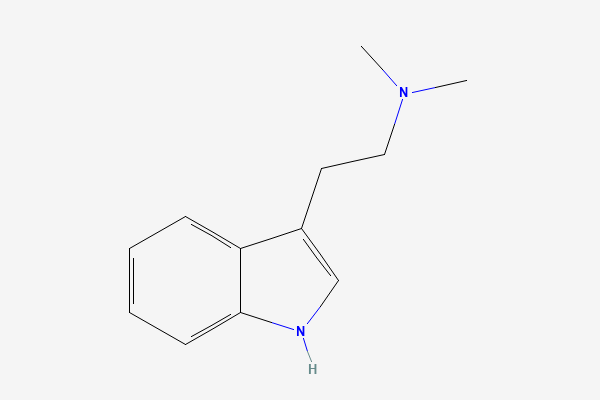
DMT / ayahuascaC12H16N2
PubChem · CID 6089 ↗Exact molecular identity
2-(1H-indol-3-yl)-N,N-dimethylethanamine
Reference structures from PubChem. Salts and stereoisomers may differ; a diagram does not verify a product’s contents or purity. Select an image to enlarge it.
More information
Experience, timeline, dose references, emergency steps and sources
What the experience may feel like
DMT can cause a very rapid and profound change in vision, time, the body, and the sense of self. Ayahuasca acts for longer and often causes nausea and vomiting because it has a different composition and is taken orally.
Duration by route
Onset is the time until the first effects. Total duration describes the main effects; after-effects are listed separately and may last longer.
- Onset
- 2–10 sec
- Total duration
- 15–30 min
- After-effects
- Not specified
- Onset
- 20–40 sec
- Total duration
- 5–20 min
- After-effects
- 10–60 min
These are estimated ranges from a community source, not medical safety limits. Amount, formulation, tolerance, combinations and individual differences affect timing. These ranges do not establish when it is safe to take more or drive. Not specified means the retrieved data has no figure, not that the time is zero.
Source: PsychonautWiki · Data retrieved
Dose ranges are not safety limits
These community-reported reference ranges come from PsychonautWiki and, where stated, TripSit. They are not necessarily pharmacologically or medically validated, do not identify a safe dose and are not a recommendation to use.
“Heavy” means a very large, high-risk amount, not a target. Serious harm, hospital admission or death can occur at much lower amounts. Strength, contents, route, tolerance, health, medicines and mixing can change the effects.
The cards reproduce every level shown by the named source. If a product contains an unknown or mislabelled substance, every dose figure may be irrelevant.
For this substance: The table separates smoked or vaporised DMT from intravenous DMT. It does not apply to ayahuasca, changa, or other mixtures containing MAO inhibitors.
DMT by route of administration
All five levels are user-reported guidelines from PsychonautWiki as retrieved on 22 July 2026. They are not medical dosing advice. “Heavy” is a high-risk category, not a recommendation, and routes of administration are not interchangeable. The amounts apply only to verified N,N-DMT and do not apply to ayahuasca, changa, or other mixtures containing MAO inhibitors.
N,N-DMT
RouteSmoked / vaporised
- Threshold
- 2 mg
- Light
- 10–20 mg
- Common
- 20–40 mg
- Strong
- 40–60 mg
- Heavy
- ≥60 mg
Note: Effects can become very intense within seconds; use a safe environment without fall or fire hazards.
N,N-DMT
RouteIntravenous
- Threshold
- 4 mg
- Light
- 4–10 mg
- Common
- 10–15 mg
- Strong
- 15–20 mg
- Heavy
- ≥20 mg
Note: Very rapid onset and a high risk of overdose, infection, and vein damage.
If the experience becomes an emergency
Emergency steps for DMT / ayahuasca
If the experience becomes an emergency
Emergency steps for DMT / ayahuasca
- Move the person to a calm, familiar environment and reduce light, noise, and the number of people present.
- Have one sober, trusted person stay with them. Speak calmly, use short sentences, and remind them that the effects will pass.
- Do not argue about delusions and do not restrain the person unless an immediate danger makes it necessary.
- Call 112 for a seizure, chest pain, impaired consciousness, suicide risk, uncontrollable dangerous behaviour, or persistent psychotic symptoms.
Sources and limitations
PsychonautWiki and TripSit are community sources, not official medical guidance. Official emergency advice always takes priority when someone may be in danger. Where relevant, community information is compared with official health sources.
.
PsychedelicsMescalinepeyote, San Pedro, mescaline, mescaline-containing cactiA long-acting psychedelic found in some cacti that can cause intense changes in perception and nausea.+
Urgent warning
Call 112 if
Chest pain, a seizure, very high temperature, unconsciousness, dangerous behaviour, or persistent symptoms of psychosis.
Call 112Main risks
What matters most
- Panic and accidents
- Prolonged physical strain and dehydration
- A poisonous or misidentified plant or mixture
Mixing
Combining with other substances
Stimulants, cannabis, and other psychedelics can increase unpredictability and physical strain.
Effects and risk reduction
Effects and safer use
Common effects
Visual changes, altered emotions and sense of time, nausea, and increased heart rate.
If you choose to use
- Expect a long duration and choose safe surroundings
- Have a sober, trusted person nearby
- Do not trust the appearance of a plant or product as proof of its contents
Chemistry
Chemical structure
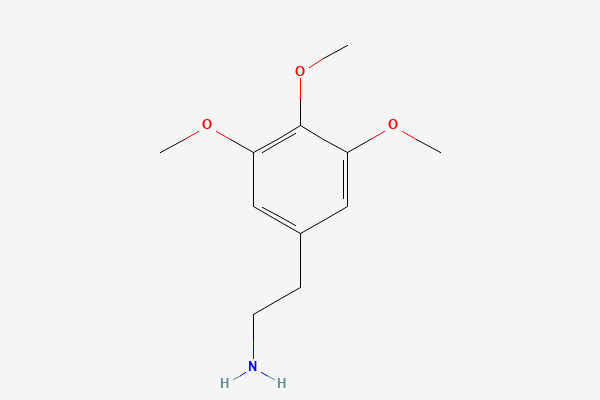
MescalineC11H17NO3
PubChem · CID 4076 ↗Exact molecular identity
2-(3,4,5-trimethoxyphenyl)ethanamine
Reference structures from PubChem. Salts and stereoisomers may differ; a diagram does not verify a product’s contents or purity. Select an image to enlarge it.
More information
Experience, timeline, dose references, emergency steps and sources
What the experience may feel like
Mescaline can cause colourful visual changes, altered perception of time and emotion, physical stimulation, and nausea. Its long duration can become difficult if anxiety or confusion develops.
Duration by route
Onset is the time until the first effects. Total duration describes the main effects; after-effects are listed separately and may last longer.
- Onset
- 45–90 min
- Total duration
- 8–14 hours
- After-effects
- 6–36 hours
These are estimated ranges from a community source, not medical safety limits. Amount, formulation, tolerance, combinations and individual differences affect timing. These ranges do not establish when it is safe to take more or drive. Not specified means the retrieved data has no figure, not that the time is zero.
Source: PsychonautWiki · Data retrieved
Dose ranges are not safety limits
These community-reported reference ranges come from PsychonautWiki and, where stated, TripSit. They are not necessarily pharmacologically or medically validated, do not identify a safe dose and are not a recommendation to use.
“Heavy” means a very large, high-risk amount, not a target. Serious harm, hospital admission or death can occur at much lower amounts. Strength, contents, route, tolerance, health, medicines and mixing can change the effects.
The cards reproduce every level shown by the named source. If a product contains an unknown or mislabelled substance, every dose figure may be irrelevant.
For this substance: The table applies only to pure oral mescaline. It must not be converted directly into a weight of cacti or plants with variable and unverified potency.
Pure mescaline by route of administration
All five levels are user-reported guidelines from PsychonautWiki as retrieved on 22 July 2026. They are not medical dosing advice. “Heavy” is a high-risk category, not a recommendation, and routes of administration are not interchangeable. The amounts apply to pure mescaline and must not be converted directly into a weight of peyote, San Pedro, or other cacti of variable potency.
Mescaline
RouteOral
- Threshold
- 50 mg
- Light
- 50–200 mg
- Common
- 200–400 mg
- Strong
- 400–800 mg
- Heavy
- ≥800 mg
Note: Slow onset and long duration can encourage redosing before the peak is reached.
If the experience becomes an emergency
Emergency steps for Mescaline
If the experience becomes an emergency
Emergency steps for Mescaline
- Move the person to a calm, familiar environment and reduce light, noise, and the number of people present.
- Have one sober, trusted person stay with them. Speak calmly, use short sentences, and remind them that the effects will pass.
- Do not argue about delusions and do not restrain the person unless an immediate danger makes it necessary.
- Call 112 for a seizure, chest pain, impaired consciousness, suicide risk, uncontrollable dangerous behaviour, or persistent psychotic symptoms.
Sources and limitations
PsychonautWiki and TripSit are community sources, not official medical guidance. Official emergency advice always takes priority when someone may be in danger. Where relevant, community information is compared with official health sources.
.
Unusual perception-altering substanceSalvia divinorumsalvia, salvinorin A, magic mintA fast-acting perception-altering substance that can cause sudden disconnection from the surroundings and loss of control over movement.+
Urgent warning
Call 112 if
Severe injury after a fall, a seizure, unconsciousness, difficulty breathing, or persistent symptoms.
Call 112Main risks
What matters most
- Falls and accidents
- Panic and dangerous movements
- Persistent anxiety or feelings of unreality
Mixing
Combining with other substances
Avoid other psychoactive substances because the effects can be unpredictable and extremely strong.
Effects and risk reduction
Effects and safer use
Common effects
Profound changes in the perception of the body and surroundings, dissociation, confusion, and brief but intense hallucinations.
If you choose to use
- Stay seated or lying down, away from windows, water, traffic, and heights
- Have a sober, trusted person nearby
- Avoid fire and smoking when you are alone
Chemistry
Chemical structure
These diagrams show specific active compounds in the plant or mushrooms, not their full composition.
![2D structural formula: Salvinorín A. methyl (2S,4aR,6aR,7R,9S,10aS,10bR)-9-acetyloxy-2-(furan-3-yl)-6a,10b-dimethyl-4,10-dioxo-2,4a,5,6,7,8,9,10a-octahydro-1H-benzo[f]isochromene-7-carboxylate](/chemical-structures/128563.png)
Salvinorín AC23H28O8
PubChem · CID 128563 ↗Exact molecular identity
methyl (2S,4aR,6aR,7R,9S,10aS,10bR)-9-acetyloxy-2-(furan-3-yl)-6a,10b-dimethyl-4,10-dioxo-2,4a,5,6,7,8,9,10a-octahydro-1H-benzo[f]isochromene-7-carboxylate
Reference structures from PubChem. Salts and stereoisomers may differ; a diagram does not verify a product’s contents or purity. Select an image to enlarge it.
More information
Experience, timeline, emergency steps and sources
What the experience may feel like
Salvia can abruptly disconnect a person from their body and surroundings. A feeling of being pulled, twisted, or transported elsewhere and uncontrolled movements can occur.
Duration by route
Onset is the time until the first effects. Total duration describes the main effects; after-effects are listed separately and may last longer.
- Onset
- 15–60 sec
- Total duration
- 15–90 min
- After-effects
- 15–60 min
- Onset
- 10–20 min
- Total duration
- 30–90 min
- After-effects
- 30–120 min
These are estimated ranges from a community source, not medical safety limits. Amount, formulation, tolerance, combinations and individual differences affect timing. These ranges do not establish when it is safe to take more or drive. Not specified means the retrieved data has no figure, not that the time is zero.
Source: PsychonautWiki · Data retrieved
Dose information
No dose amount is published. The potency of leaves and extracts varies greatly, and product labelling is not reliable confirmation of the contents.
If the experience becomes an emergency
Emergency steps for Salvia divinorum
If the experience becomes an emergency
Emergency steps for Salvia divinorum
- Move the person to a calm, familiar environment and reduce light, noise, and the number of people present.
- Have one sober, trusted person stay with them. Speak calmly, use short sentences, and remind them that the effects will pass.
- Do not argue about delusions and do not restrain the person unless an immediate danger makes it necessary.
- Call 112 for a seizure, chest pain, impaired consciousness, suicide risk, uncontrollable dangerous behaviour, or persistent psychotic symptoms.
Sources and limitations
PsychonautWiki and TripSit are community sources, not official medical guidance. Official emergency advice always takes priority when someone may be in danger. Where relevant, community information is compared with official health sources.
.
Dissociatives
4DissociativesKetamineket, K, Special KAn anaesthetic and dissociative that can impair movement and the sense of connection to the body and surroundings.+
Urgent warning
Call 112 if
A person is unresponsive, breathing abnormally, vomiting while their consciousness is impaired, or having a seizure.
Call 112Main risks
What matters most
- Falls, choking, and accidents
- Impaired consciousness
- Bladder and urinary tract damage with frequent use
Mixing
Combining with other substances
Alcohol, opioids, benzodiazepines, and GHB/GBL increase the risk of unconsciousness and breathing problems.
Effects and risk reduction
Effects and safer use
Common effects
Numbness, altered perception, relaxation, and dissociation.
If you choose to use
- Stay seated or lying down, away from water, traffic, and heights
- Do not use alone
- Seek medical advice for pain or blood in your urine
Chemistry
Chemical structure
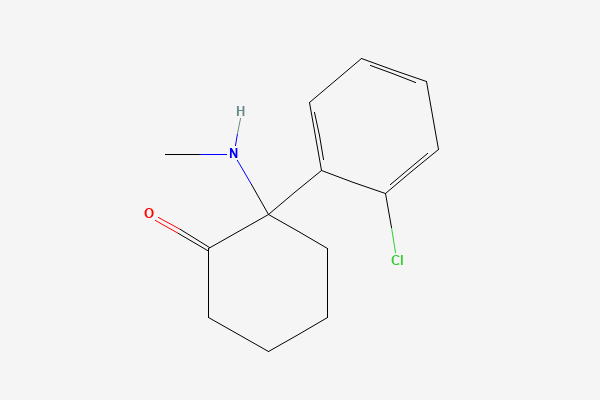
KetamineC13H16ClNO
PubChem · CID 3821 ↗Exact molecular identity
2-(2-chlorophenyl)-2-(methylamino)cyclohexan-1-one
Reference structures from PubChem. Salts and stereoisomers may differ; a diagram does not verify a product’s contents or purity. Select an image to enlarge it.
More information
Experience, timeline, dose references, emergency steps and sources
What the experience may feel like
At lower amounts, ketamine can cause numbness, relaxation, unsteadiness, and detachment from the body. Higher amounts can disrupt connection with the surroundings, memory, movement, and speech and lead to a profound dissociative experience.
Duration by route
Onset is the time until the first effects. Total duration describes the main effects; after-effects are listed separately and may last longer.
- Onset
- 1–3 min
- Total duration
- 1–2 hours
- After-effects
- 2–12 hours
- Onset
- 10–30 min
- Total duration
- Not specified
- After-effects
- 4–8 hours
These are estimated ranges from a community source, not medical safety limits. Amount, formulation, tolerance, combinations and individual differences affect timing. These ranges do not establish when it is safe to take more or drive. Not specified means the retrieved data has no figure, not that the time is zero.
Source: PsychonautWiki · Data retrieved
Dose ranges are not safety limits
These community-reported reference ranges come from PsychonautWiki and, where stated, TripSit. They are not necessarily pharmacologically or medically validated, do not identify a safe dose and are not a recommendation to use.
“Heavy” means a very large, high-risk amount, not a target. Serious harm, hospital admission or death can occur at much lower amounts. Strength, contents, route, tolerance, health, medicines and mixing can change the effects.
The cards reproduce every level shown by the named source. If a product contains an unknown or mislabelled substance, every dose figure may be irrelevant.
For this substance: The table separates oral and intranasal ketamine. It does not apply to esketamine medicines, other routes, mixtures, or powder of unknown purity.
Ketamine by route of administration
All five levels are user-reported guidelines from PsychonautWiki as retrieved on 22 July 2026. They are not medical dosing advice. “Heavy” is a high-risk category, not a recommendation, and routes of administration are not interchangeable. The amounts apply only to verified ketamine. They do not apply to esketamine medicines, mixtures, or powder of unknown purity.
Ketamine
RouteOral
- Threshold
- 50 mg
- Light
- 50–100 mg
- Common
- 100–300 mg
- Strong
- 300–450 mg
- Heavy
- ≥450 mg
Note: Later onset can encourage dangerous repeated dosing.
Ketamine
RouteIntranasal
- Threshold
- 5 mg
- Light
- 10–30 mg
- Common
- 30–75 mg
- Strong
- 75–150 mg
- Heavy
- ≥150 mg
Note: Dissociation and impaired movement increase the risk of falls, choking, and vomiting.
If the experience becomes an emergency
Emergency steps for Ketamine
If the experience becomes an emergency
Emergency steps for Ketamine
- Stop all further use and do not give food, drink, or any other substances.
- Check responsiveness and breathing. Call 112 if the person is difficult to wake, is breathing abnormally, vomits while their consciousness is impaired, or has a seizure.
- If the person is breathing normally, place them in the recovery position and monitor their breathing continuously.
- Give naloxone only when opioid use is suspected. Naloxone does not reverse alcohol, GHB, or benzodiazepines on their own.
Sources and limitations
PsychonautWiki and TripSit are community sources, not official medical guidance. Official emergency advice always takes priority when someone may be in danger. Where relevant, community information is compared with official health sources.
.
Dissociative and gasNitrous oxidelaughing gas, N₂O, whipped-cream chargersA short-acting gas that can cause oxygen deprivation and nerve damage, especially with frequent use.+
Urgent warning
Call 112 if
Difficulty breathing, blue discolouration, unconsciousness, weakness, or new numbness in the limbs.
Call 112Main risks
What matters most
- Oxygen deprivation and unconsciousness
- Cold burns from pressurised cylinders
- B12-related nerve and spinal cord damage
Mixing
Combining with other substances
Depressants increase the risk of oxygen deprivation, falls, and unconsciousness.
Effects and risk reduction
Effects and safer use
Common effects
Brief euphoria, laughter, dizziness, and altered perception.
If you choose to use
- Never inhale directly from a cylinder or charger
- Do not use in an enclosed space or with a bag over your head
- Seek medical advice for numbness, weakness, or difficulty walking
Chemistry
Chemical structure
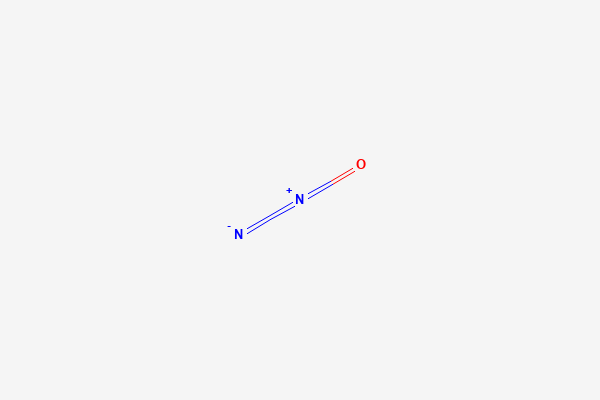
Nitrous oxideN2O
PubChem · CID 948 ↗Exact molecular identity
nitrous oxide
Reference structures from PubChem. Salts and stereoisomers may differ; a diagram does not verify a product’s contents or purity. Select an image to enlarge it.
More information
Experience, timeline, dose references, emergency steps and sources
What the experience may feel like
Nitrous oxide causes very brief euphoria, buzzing, dizziness, altered sound, and dissociation from the body or surroundings. Repeated inhalation can cause oxygen deprivation without a clear sense of danger.
Duration by route
Onset is the time until the first effects. Total duration describes the main effects; after-effects are listed separately and may last longer.
- Onset
- 5–10 sec
- Total duration
- 1–5 min
- After-effects
- 15–30 min
These are estimated ranges from a community source, not medical safety limits. Amount, formulation, tolerance, combinations and individual differences affect timing. These ranges do not establish when it is safe to take more or drive. Not specified means the retrieved data has no figure, not that the time is zero.
Source: PsychonautWiki · Data retrieved
Dose ranges are not safety limits
These community-reported reference ranges come from PsychonautWiki and, where stated, TripSit. They are not necessarily pharmacologically or medically validated, do not identify a safe dose and are not a recommendation to use.
“Heavy” means a very large, high-risk amount, not a target. Serious harm, hospital admission or death can occur at much lower amounts. Strength, contents, route, tolerance, health, medicines and mixing can change the effects.
The cards reproduce every level shown by the named source. If a product contains an unknown or mislabelled substance, every dose figure may be irrelevant.
For this substance: PsychonautWiki classifies inhaled gas by grams, but the amount says nothing about oxygen supply, equipment, or the speed of repetition. It is therefore not a safety limit.
Nitrous oxide by route of administration
All five levels are user-reported guidelines from PsychonautWiki as retrieved on 22 July 2026. They are not medical dosing advice. “Heavy” is a high-risk category, not a recommendation, and routes of administration are not interchangeable. The number of grams says nothing about oxygen supply, equipment, or the speed of repetition. Never inhale directly from a pressurised cylinder or from a sealed mask or bag.
Nitrous oxide
RouteInhaled
- Threshold
- 4 g
- Light
- 4–8 g
- Common
- 8–16 g
- Strong
- 16–40 g
- Heavy
- ≥40 g
Note: The source equates these ranges to about ½–1, 1–2, 2–5, and more than 5 small cartridges, but cartridge sizes are not standardised.
If the experience becomes an emergency
Emergency steps for Nitrous oxide
If the experience becomes an emergency
Emergency steps for Nitrous oxide
- Stop inhalation and move the person into fresh air without putting yourself at risk.
- Call 112 for blue skin or lips, difficulty breathing, a seizure, unconsciousness, or if the person does not recover quickly.
- If the person is breathing normally, place them in the recovery position and monitor their breathing. Give CPR as directed by 112 if breathing is not normal.
- Seek medical help promptly for new numbness, weakness, balance problems, or difficulty walking after repeated use because of the risk of B12-related nerve damage.
Sources and limitations
PsychonautWiki and TripSit are community sources, not official medical guidance. Official emergency advice always takes priority when someone may be in danger. Where relevant, community information is compared with official health sources.
.
DissociativesDXMdextromethorphan, cough syrup, Robo, Triple CA cough suppressant that can cause dissociative effects. Many products also contain other active ingredients that can cause severe poisoning.+
Urgent warning
Call 112 if
Difficulty breathing, a seizure, very high temperature, severe confusion, repeated vomiting, or no response.
Call 112Main risks
What matters most
- Poisoning from other ingredients
- Serotonin syndrome and seizures
- Accidents, vomiting, and unconsciousness
Mixing
Combining with other substances
Serotonergic medicines, MAO inhibitors, tramadol, and MDMA can cause serotonin syndrome. Alcohol and depressants increase the risk of unconsciousness.
Effects and risk reduction
Effects and safer use
Common effects
Dissociation, euphoria, slurred speech, impaired coordination, hallucinations, and nausea.
If you choose to use
- Always check all active ingredients in the product
- Never use a combination medicine to become intoxicated
- Do not drive or use alone
Chemistry
Chemical structure
![2D structural formula: DXM. (1S,9S,10S)-4-methoxy-17-methyl-17-azatetracyclo[7.5.3.01,10.02,7]heptadeca-2(7),3,5-triene](/chemical-structures/5360696.png)
DXMC18H25NO
PubChem · CID 5360696 ↗Exact molecular identity
(1S,9S,10S)-4-methoxy-17-methyl-17-azatetracyclo[7.5.3.01,10.02,7]heptadeca-2(7),3,5-triene
Reference structures from PubChem. Salts and stereoisomers may differ; a diagram does not verify a product’s contents or purity. Select an image to enlarge it.
More information
Experience, timeline, dose references, emergency steps and sources
What the experience may feel like
DXM can cause numbness, unsteadiness, slurred speech, dissociation, and hallucinations. Combination cough products can also cause poisoning that is not due to DXM itself.
Duration by route
Onset is the time until the first effects. Total duration describes the main effects; after-effects are listed separately and may last longer.
- Onset
- 30–120 min
- Total duration
- 8–12 hours
- After-effects
- 4–24 hours
These are estimated ranges from a community source, not medical safety limits. Amount, formulation, tolerance, combinations and individual differences affect timing. These ranges do not establish when it is safe to take more or drive. Not specified means the retrieved data has no figure, not that the time is zero.
Source: PsychonautWiki · Data retrieved
Dose ranges are not safety limits
These community-reported reference ranges come from PsychonautWiki and, where stated, TripSit. They are not necessarily pharmacologically or medically validated, do not identify a safe dose and are not a recommendation to use.
“Heavy” means a very large, high-risk amount, not a target. Serious harm, hospital admission or death can occur at much lower amounts. Strength, contents, route, tolerance, health, medicines and mixing can change the effects.
The cards reproduce every level shown by the named source. If a product contains an unknown or mislabelled substance, every dose figure may be irrelevant.
For this substance: The table applies only to oral dextromethorphan on its own. Combination cough and cold products may contain paracetamol, antihistamines, or other medicines that become life-threatening at much lower amounts.
Pure DXM by route of administration
All five levels are user-reported guidelines from PsychonautWiki as retrieved on 22 July 2026. They are not medical dosing advice. “Heavy” is a high-risk category, not a recommendation, and routes of administration are not interchangeable. The amounts apply only to dextromethorphan on its own. Many cough products also contain paracetamol, antihistamines, or other medicines that can cause life-threatening poisoning.
DXM
RouteOral
- Threshold
- 75 mg
- Light
- 100–200 mg
- Common
- 200–400 mg
- Strong
- 400–700 mg
- Heavy
- ≥700 mg
Note: Check every active ingredient; combination cough medicines can become dangerous long before the DXM range is reached.
If the experience becomes an emergency
Emergency steps for DXM
If the experience becomes an emergency
Emergency steps for DXM
- Stop further use and move the person away from traffic, water, heights, and other hazards.
- Speak calmly and use short sentences. Do not restrain the person unless an immediate danger makes it necessary.
- Call 112 for difficulty breathing, a seizure, chest pain, a very high temperature, impaired consciousness, or uncontrollable dangerous behaviour.
- Monitor breathing and place the person in the recovery position if they are breathing normally but are unresponsive.
Sources and limitations
PsychonautWiki and TripSit are community sources, not official medical guidance. Official emergency advice always takes priority when someone may be in danger. Where relevant, community information is compared with official health sources.
.
DissociativesPCPphencyclidine, angel dust, dust, unknown powder or liquidA powerful dissociative of variable strength that can cause severe confusion and unpredictable behaviour.+
Urgent warning
Call 112 if
Dangerous agitation, chest pain, a seizure, very high temperature, unconsciousness, or abnormal breathing.
Call 112Main risks
What matters most
- Severe agitation, psychosis, and accidents
- High blood pressure, high temperature, and seizures
- Coma and impaired breathing
Mixing
Combining with other substances
Alcohol, benzodiazepines, and opioids increase the risk of unconsciousness and breathing problems. Stimulants increase temperature, strain on the heart, and agitation.
Effects and risk reduction
Effects and safer use
Common effects
Dissociation, numbness, hallucinations, and impaired coordination and speech.
If you choose to use
- Avoid unknown powders and liquids
- Stay in a calm, safe place with a sober companion
- Do not restrain a person unless there is immediate danger, and call 112
Chemistry
Chemical structure
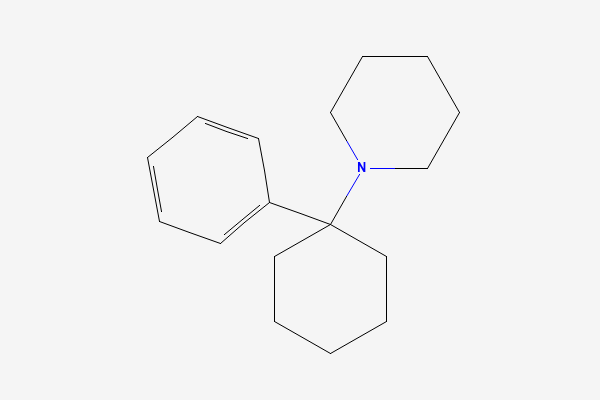
PCPC17H25N
PubChem · CID 6468 ↗Exact molecular identity
1-(1-phenylcyclohexyl)piperidine
Reference structures from PubChem. Salts and stereoisomers may differ; a diagram does not verify a product’s contents or purity. Select an image to enlarge it.
More information
Experience, timeline, dose references, emergency steps and sources
What the experience may feel like
PCP can cause numbness, dissociation, severe confusion, hallucinations, and impaired coordination. Behaviour and physical symptoms can change quickly and become unpredictable.
Duration by route
Onset is the time until the first effects. Total duration describes the main effects; after-effects are listed separately and may last longer.
- Onset
- 3–30 min
- Total duration
- 4–6 hours
- After-effects
- 4–48 hours
- Onset
- 30–90 min
- Total duration
- 4–8 hours
- After-effects
- 4–48 hours
- Onset
- 2–20 min
- Total duration
- 4–6 hours
- After-effects
- 4–48 hours
These are estimated ranges from a community source, not medical safety limits. Amount, formulation, tolerance, combinations and individual differences affect timing. These ranges do not establish when it is safe to take more or drive. Not specified means the retrieved data has no figure, not that the time is zero.
Source: PsychonautWiki · Data retrieved
Dose ranges are not safety limits
These community-reported reference ranges come from PsychonautWiki and, where stated, TripSit. They are not necessarily pharmacologically or medically validated, do not identify a safe dose and are not a recommendation to use.
“Heavy” means a very large, high-risk amount, not a target. Serious harm, hospital admission or death can occur at much lower amounts. Strength, contents, route, tolerance, health, medicines and mixing can change the effects.
The cards reproduce every level shown by the named source. If a product contains an unknown or mislabelled substance, every dose figure may be irrelevant.
For this substance: The table separates smoked, oral, and intranasal PCP. Mislabelled products, unknown potency, and mixtures can make every amount meaningless.
PCP by route of administration
All five levels are user-reported guidelines from PsychonautWiki as retrieved on 22 July 2026. They are not medical dosing advice. “Heavy” is a high-risk category, not a recommendation, and routes of administration are not interchangeable. Products sold as PCP can vary in potency, be mislabelled, or be mixed. The source specifically associates “Heavy” with psychosis and mania.
PCP
RouteSmoked
- Threshold
- 1 mg
- Light
- 2–4 mg
- Common
- 4–8 mg
- Strong
- 8–12 mg
- Heavy
- ≥12 mg
Note: A fast-acting route; confusion and dangerous behaviour can occur suddenly.
PCP
RouteOral
- Threshold
- 1 mg
- Light
- 3–5 mg
- Common
- 5–10 mg
- Strong
- 10–15 mg
- Heavy
- ≥15 mg
Note: Later onset can encourage repeated dosing.
PCP
RouteIntranasal
- Threshold
- 1 mg
- Light
- 2–4 mg
- Common
- 4–8 mg
- Strong
- 8–15 mg
- Heavy
- ≥15 mg
Note: Unknown powder makes the amounts unusable.
If the experience becomes an emergency
Emergency steps for PCP
If the experience becomes an emergency
Emergency steps for PCP
- Stop further use and move the person away from traffic, water, heights, and other hazards.
- Speak calmly and use short sentences. Do not restrain the person unless an immediate danger makes it necessary.
- Call 112 for difficulty breathing, a seizure, chest pain, a very high temperature, impaired consciousness, or uncontrollable dangerous behaviour.
- Monitor breathing and place the person in the recovery position if they are breathing normally but are unresponsive.
Sources and limitations
PsychonautWiki and TripSit are community sources, not official medical guidance. Official emergency advice always takes priority when someone may be in danger. Where relevant, community information is compared with official health sources.
.
Cannabis products
2Cannabis productsCannabisweed, marijuana, hash, THC, cannabis oils and ediblesEffects depend on factors including THC strength, route of use, wellbeing, and surroundings.+
Urgent warning
Call 112 if
Chest pain, a seizure, unconsciousness, extreme agitation, or symptoms of psychosis.
Call 112Main risks
What matters most
- Panic attacks or paranoia
- Impaired driving and accidents
- Acute psychotic symptoms; risk may be greater in vulnerable people
Mixing
Combining with other substances
Alcohol and other substances can increase dizziness, nausea, anxiety, and impaired judgement.
Effects and risk reduction
Effects and safer use
Common effects
Relaxation, altered perception, and increased appetite; sometimes anxiety, confusion, or panic.
If you choose to use
- Avoid driving and operating machinery
- Choose calm surroundings and people you trust
- The effects of edibles may be delayed and last longer than expected
Chemistry
Chemical structure
These diagrams show specific active compounds in the plant or mushrooms, not their full composition.
![2D structural formula: Δ⁹-THC. (6aR,10aR)-6,6,9-trimethyl-3-pentyl-6a,7,8,10a-tetrahydrobenzo[c]chromen-1-ol](/chemical-structures/16078.png)
Δ⁹-THCC21H30O2
PubChem · CID 16078 ↗Exact molecular identity
(6aR,10aR)-6,6,9-trimethyl-3-pentyl-6a,7,8,10a-tetrahydrobenzo[c]chromen-1-ol
![2D structural formula: CBD. 2-[(1R,6R)-3-methyl-6-prop-1-en-2-ylcyclohex-2-en-1-yl]-5-pentylbenzene-1,3-diol](/chemical-structures/644019.png)
CBDC21H30O2
PubChem · CID 644019 ↗Exact molecular identity
2-[(1R,6R)-3-methyl-6-prop-1-en-2-ylcyclohex-2-en-1-yl]-5-pentylbenzene-1,3-diol
Reference structures from PubChem. Salts and stereoisomers may differ; a diagram does not verify a product’s contents or purity. Select an image to enlarge it.
More information
Experience, timeline, dose references, emergency steps and sources
What the experience may feel like
The experience can include relaxation, laughter, heightened perception, altered time perception, and increased appetite. Larger amounts can cause severe dizziness, a racing heart, confusion, a sense of unreality, anxiety, or paranoia.
Duration by route
Onset is the time until the first effects. Total duration describes the main effects; after-effects are listed separately and may last longer.
- Onset
- 20–60 min
- Total duration
- 4–10 hours
- After-effects
- 6–12 hours
- Onset
- 0.1–10 min
- Total duration
- 2.5–5 hours
- After-effects
- 45–180 min
- Onset
- 1–10 min
- Total duration
- 3–7 hours
- After-effects
- Not specified
These are estimated ranges from a community source, not medical safety limits. Amount, formulation, tolerance, combinations and individual differences affect timing. These ranges do not establish when it is safe to take more or drive. Not specified means the retrieved data has no figure, not that the time is zero.
Source: PsychonautWiki · Data retrieved
Dose ranges are not safety limits
These community-reported reference ranges come from PsychonautWiki and, where stated, TripSit. They are not necessarily pharmacologically or medically validated, do not identify a safe dose and are not a recommendation to use.
“Heavy” means a very large, high-risk amount, not a target. Serious harm, hospital admission or death can occur at much lower amounts. Strength, contents, route, tolerance, health, medicines and mixing can change the effects.
The cards reproduce every level shown by the named source. If a product contains an unknown or mislabelled substance, every dose figure may be irrelevant.
For this substance: The table separates the amount of THC smoked from the amount taken orally. It does not apply to the weight of flower, hash, homemade edibles, or a product with unverified contents.
THC by route of administration
All five levels are user-reported guidelines from PsychonautWiki as retrieved on 10 September 2026. They are not medical dosing advice. “Heavy” is a high-risk category, not a recommendation, and routes of administration are not interchangeable. The amounts refer to THC, not the weight of flower, hash, homemade edibles, or concentrates. Product labels and actual THC content can differ greatly.
THC
RouteSmoked
- Threshold
- 0.4 mg
- Light
- 0.4–2 mg
- Common
- 2–4 mg
- Strong
- 4–10 mg
- Heavy
- ≥10 mg
Note: Does not apply to grams of cannabis flower or an unlabelled product.
THC
RouteOral
- Threshold
- 1 mg
- Light
- 2.5–5 mg
- Common
- 5–10 mg
- Strong
- 10–25 mg
- Heavy
- ≥25 mg
Note: Effects begin later and last longer; redosing before effects appear increases risk.
If the experience becomes an emergency
Emergency steps for Cannabis
If the experience becomes an emergency
Emergency steps for Cannabis
- Stop further use and move to a calm, cool, familiar environment with a trusted sober person.
- Remind the person that the effects of THC will pass. Reduce noise and stimulation, and avoid driving or walking near traffic, water, or heights.
- Call 112 for chest pain, a seizure, unconsciousness, difficulty breathing, uncontrollable dangerous behaviour, or severe psychotic symptoms.
- Seek health advice if vomiting is repeated, anxiety does not subside, or mental symptoms continue after the intoxication should have passed.
Sources and limitations
PsychonautWiki and TripSit are community sources, not official medical guidance. Official emergency advice always takes priority when someone may be in danger. Where relevant, community information is compared with official health sources.
.
Synthetic cannabis productsSynthetic cannabinoidsSpice, K2, synthetic cannabis, e-liquids with unknown contentsSubstances that act on the same receptors as THC but can be much stronger and more unpredictable.+
Urgent warning
Call 112 if
Seizures, high temperature, chest pain, extreme aggression, unconsciousness, or difficulty breathing.
Call 112Main risks
What matters most
- Seizures and psychosis
- Abnormal heart rhythms
- Kidney damage and unconsciousness
Mixing
Combining with other substances
Interactions are poorly studied and unpredictable. Especially avoid other stimulants or psychoactive substances.
Effects and risk reduction
Effects and safer use
Common effects
Effects may resemble cannabis, but severe agitation, confusion, and physical symptoms are more common.
If you choose to use
- The safest option is to avoid substances with unknown contents
- Do not use alone
- Call for help early if behaviour or wellbeing changes quickly
Chemical structure
This name covers multiple molecules or unknown contents. A single structural formula cannot represent it; choose a specific substance to see its structure.
More information
Experience, timeline, dose references, emergency steps and sources
What the experience may feel like
The effects can resemble THC but are often much more intense and unpredictable. Severe agitation, confusion, hallucinations, vomiting, seizures, and sudden impairment of consciousness can occur without a clear gradual warning.
Duration by route
No single duration applies to this group or unknown contents. Choose a specific substance for route-specific information where available.
Source: PsychonautWiki · Data retrieved
Dose ranges are not safety limits
These community-reported reference ranges come from PsychonautWiki and, where stated, TripSit. They are not necessarily pharmacologically or medically validated, do not identify a safe dose and are not a recommendation to use.
“Heavy” means a very large, high-risk amount, not a target. Serious harm, hospital admission or death can occur at much lower amounts. Strength, contents, route, tolerance, health, medicines and mixing can change the effects.
The cards reproduce every level shown by the named source. If a product contains an unknown or mislabelled substance, every dose figure may be irrelevant.
For this substance: There is no usable low, moderate, or high dose amount. Different cannabinoids vary enormously in potency, and the substance may be distributed unevenly through a liquid or herbal mixture.
Low according to the source
Cannot be calculated
Mild perceptual changes can suddenly progress to anxiety, a rapid pulse, or confusion.Moderate according to the source
Cannot be calculated
Severe agitation, vomiting, paranoia, unsteadiness, and difficulty communicating.High according to the source
Cannot be calculated
Seizures, high temperature, unconsciousness, abnormal heart rhythm, or difficulty breathing. This is an emergency.If the experience becomes an emergency
Emergency steps for Synthetic cannabinoids
If the experience becomes an emergency
Emergency steps for Synthetic cannabinoids
- Stop use and move the person away from traffic, water, heights, and objects that could cause injury.
- Reduce noise and the number of people present. Do not provoke or restrain the person unless an immediate danger makes it necessary.
- Call 112 early if the person deteriorates rapidly or has severe agitation, a seizure, chest pain, a high temperature, impaired consciousness, or difficulty breathing.
- Stay with the person and tell the emergency operator that a synthetic cannabinoid or unknown liquid may be involved.
Sources and limitations
PsychonautWiki and TripSit are community sources, not official medical guidance. Official emergency advice always takes priority when someone may be in danger. Where relevant, community information is compared with official health sources.
.
Inhalants
2InhalantsVolatile inhalantsbutane, glue, petrol, aerosols, solventsToxic vapours that can damage the heart, brain, lungs, and other organs even after a single use.+
Urgent warning
Call 112 if
Collapse, an irregular heartbeat, difficulty breathing, a seizure, or unconsciousness.
Call 112Main risks
What matters most
- Sudden cardiac arrest
- Oxygen deprivation and suffocation
- Burns, poisoning, and nerve damage
Mixing
Combining with other substances
Other depressants increase the risk of suffocation and unconsciousness; stimulants can increase strain on the heart.
Effects and risk reduction
Effects and safer use
Common effects
Short-lived intoxication, dizziness, confusion, and drowsiness.
If you choose to use
- The safest option is not to inhale these substances
- Move into fresh air without putting yourself at risk
- Call 112 for any severe symptoms
Chemical structure
This name covers multiple molecules or unknown contents. A single structural formula cannot represent it; choose a specific substance to see its structure.
More information
Experience, timeline, dose references, emergency steps and sources
What the experience may feel like
Vapours can cause sudden dizziness, drowsiness, confusion, unsteadiness, and brief euphoria. An abnormal heart rhythm, oxygen deprivation, or sudden collapse can occur even after one use.
Duration by route
No single duration applies to this group or unknown contents. Choose a specific substance for route-specific information where available.
Source: PsychonautWiki · Data retrieved
Dose ranges are not safety limits
These community-reported reference ranges come from PsychonautWiki and, where stated, TripSit. They are not necessarily pharmacologically or medically validated, do not identify a safe dose and are not a recommendation to use.
“Heavy” means a very large, high-risk amount, not a target. Serious harm, hospital admission or death can occur at much lower amounts. Strength, contents, route, tolerance, health, medicines and mixing can change the effects.
The cards reproduce every level shown by the named source. If a product contains an unknown or mislabelled substance, every dose figure may be irrelevant.
For this substance: A low or safe dose cannot be calculated for butane, petrol, glue, aerosols, or solvents. Concentration, ventilation, temperature, and chemical composition change the risk.
Low according to the source
Cannot be calculated
Dizziness, headache, nausea, confusion, and impaired coordination can already indicate poisoning.Moderate according to the source
Cannot be calculated
Severe drowsiness, slurred speech, vomiting, unsteadiness, and breathing discomfort.High according to the source
Cannot be calculated
Collapse, a seizure, abnormal heart rhythm, respiratory arrest, burns, or unconsciousness. This is an emergency.If the experience becomes an emergency
Emergency steps for Volatile inhalants
If the experience becomes an emergency
Emergency steps for Volatile inhalants
- Move the person into fresh air only if it is safe. Do not enter a vapour-contaminated space without appropriate protection.
- Call 112 for difficulty breathing, collapse, a seizure, an abnormal heart rhythm, or impaired consciousness.
- Avoid flames, sparks, cigarettes, and electrical switches near flammable vapours.
- If the person is breathing normally, place them in the recovery position and monitor their breathing until help arrives.
Sources and limitations
PsychonautWiki and TripSit are community sources, not official medical guidance. Official emergency advice always takes priority when someone may be in danger. Where relevant, community information is compared with official health sources.
.
Alkyl nitritesPoppers / alkyl nitritesamyl nitrite, isobutyl nitrite, Rush, Jungle JuiceLiquids that rapidly dilate blood vessels and lower blood pressure. The liquid itself can cause chemical burns and severe poisoning.+
Urgent warning
Call 112 if
Blue or grey skin and lips, difficulty breathing, chest pain, fainting, a seizure, or severe confusion.
Call 112Main risks
What matters most
- Severe drop in blood pressure and fainting
- Methaemoglobinaemia and oxygen deprivation
- Chemical burns and eye damage
Mixing
Combining with other substances
Never combine with sildenafil, tadalafil, vardenafil, or nitrate medicines because of the risk of a life-threatening drop in blood pressure.
Effects and risk reduction
Effects and safer use
Common effects
A brief feeling of warmth, dizziness, pressure in the head, muscle relaxation, and a rapid heartbeat.
If you choose to use
- Never swallow the liquid or put it on your skin or in your eyes
- Keep the substance away from fire, children, and animals
- Seek immediate help for breathing or vision symptoms
Chemical structure
This name covers multiple molecules or unknown contents. A single structural formula cannot represent it; choose a specific substance to see its structure.
More information
Experience, timeline, emergency steps and sources
What the experience may feel like
Alkyl nitrites cause rapid widening of blood vessels, with warmth, dizziness, a faster pulse, and brief muscle relaxation. Blood pressure can fall enough to make a person faint.
Duration by route
Onset is the time until the first effects. Total duration describes the main effects; after-effects are listed separately and may last longer.
- Onset
- About 15 sec
- Total duration
- Up to 3 min
- After-effects
- Not specified
These are estimated ranges from a community source, not medical safety limits. Amount, formulation, tolerance, combinations and individual differences affect timing. These ranges do not establish when it is safe to take more or drive. Not specified means the retrieved data has no figure, not that the time is zero.
Source: PsychonautWiki · Data retrieved
Dose information
No dose amount is published. Products may contain different alkyl nitrites, and the liquid is not intended to be swallowed or to come into contact with skin or eyes.
If the experience becomes an emergency
Emergency steps for Poppers / alkyl nitrites
If the experience becomes an emergency
Emergency steps for Poppers / alkyl nitrites
- Stop use and move the person into fresh air if it is safe.
- Call 112 for blue or grey lips, difficulty breathing, chest pain, fainting, a seizure, or impaired consciousness.
- If the liquid has spilled on the skin or into the eyes, rinse immediately with plenty of water and seek medical help.
- Do not induce vomiting if the liquid has been swallowed. Keep the packaging available for responders.
Sources and limitations
PsychonautWiki and TripSit are community sources, not official medical guidance. Official emergency advice always takes priority when someone may be in danger. Where relevant, community information is compared with official health sources.
.
Other or unknown
1Unknown contentsUnknown or mislabelled substancesunknown powder, tablet, liquid, research chemical, counterfeit medicineColour, markings, name, and packaging cannot reliably tell you what a substance contains or how strong it is.+
Urgent warning
Call 112 if
Difficulty breathing, impaired consciousness, a seizure, chest pain, very high temperature, blue discolouration, or uncontrollable behaviour.
Call 112Main risks
What matters most
- Unknown strength and contents
- Unexpected and dangerous combinations
- Delayed or recurring severe symptoms
Mixing
Combining with other substances
Interaction risks cannot be assessed when the contents are unknown. Do not add other substances in an attempt to balance the effects.
Effects and risk reduction
Effects and safer use
Common effects
Effects may be stimulating, depressant, perception-altering, or a mixture of several types, and can change rapidly.
If you choose to use
- The safest option is not to use the substance
- Do not trust colour, markings, or a seller as confirmation of contents
- Do not use alone, and keep packaging or a sample for responders if an emergency occurs
Chemical structure
This name covers multiple molecules or unknown contents. A single structural formula cannot represent it; choose a specific substance to see its structure.
More information
Experience, timeline, emergency steps and sources
What the experience may feel like
An unknown substance can have depressant, stimulant, psychedelic, or dissociative effects, and more than one mechanism of action. A name, colour, logo, or package does not predict the actual experience.
Duration by route
No single duration applies to this group or unknown contents. Choose a specific substance for route-specific information where available.
Source: PsychonautWiki · Data retrieved
Dose information
No dose amount is published. When the contents and strength are unknown, an amount cannot responsibly be classified as low, moderate, or high.
If the experience becomes an emergency
Emergency steps for Unknown or mislabelled substances
If the experience becomes an emergency
Emergency steps for Unknown or mislabelled substances
- Stop further use and do not give other substances in an attempt to balance the effects.
- Call 112 for difficulty breathing, impaired consciousness, a seizure, chest pain, a very high temperature, blue skin or lips, or uncontrollable behaviour.
- Give naloxone when opioid use is suspected and follow the instructions from 112.
- Keep any packaging or sample for responders if this can be done without risk.
Sources and limitations
PsychonautWiki and TripSit are community sources, not official medical guidance. Official emergency advice always takes priority when someone may be in danger. Where relevant, community information is compared with official health sources.
.
Essentials
Six ways to reduce risk
No drug use is risk-free. These steps may, however, reduce the chance of serious harm.
Check a combination
Interaction checker
Select two substances or medicine groups to see the known risk category for the combination.
Open checkerClose checker+
Check a combination
Interaction checker
Select two substances or medicine groups to see the known risk category for the combination.
Check a combination. The result appears when both substances have been selected.
Lower known risk Caution High or life-threatening risk
A quick reference, not medical advice.
The categories are based on the TripSit interaction chart. They do not guarantee safety, unknown contents can change the risk and further checking is always necessary. Do not suddenly stop prescribed medicine. Ask a doctor or pharmacist for advice.
Read TripSit's full descriptions and sourcesAfter a break from use
Tolerance warning after a break
Select a substance group and enter the number of days since it was last used.
Open toolClose tool+
After a break from use
Tolerance warning after a break
Select a substance group and enter the number of days since it was last used.
Tolerance can fall quickly after a break.
The risk is especially high after treatment, imprisonment, a hospital stay or interruption of opioid maintenance treatment.
Quick choice:
A warning, not a tolerance measurement or dosing advice.
This tool cannot say what amount is safe. The colour categories are precautionary guides, not a measurement of tolerance. WHO and CDC identify returning to opioid use after a break as an important overdose risk. The information you enter is not stored.
- 01
Do not use alone
Stay with someone who can respond, give naloxone when opioids may be involved, and call 112.
- 02
Avoid mixing substances
Especially avoid mixing opioids, benzodiazepines, GHB/GBL, and alcohol. Stimulants and sedatives do not cancel each other out.
- 03
Assume the strength is unknown
A name, colour, tablet, or package does not confirm the contents. Be especially cautious after a new supply arrives or after a break.
- 04
Use your own clean equipment
Do not share needles, syringes, pipes, or equipment that may carry blood. Frú Ragnheiður provides needle exchange and advice.
- 05
Consider your surroundings
Avoid driving, water, heights, extreme heat, and places where help is difficult to reach.
- 06
Call for help early
You do not need to know exactly what was taken. Tell 112 what you know and follow their instructions.
Good practice
Before, during, and after
This is harm reduction advice, not a guarantee of safety. Not using is the safest option. If you choose to use, preparation, attention to your body, and time to recover may reduce some risks.
BeforePreparation
- Sleep as well as you can and eat a normal meal before going out. Sleep deprivation, illness, and poor nutrition can make it harder to assess risk.
- Check how you are feeling. If you are very anxious, depressed, in crisis, or severely sleep-deprived, it is safer to skip using and seek support.
- Plan how you will get home, charge your phone, and stay with someone you trust. Write down what was taken and make sure no one is left alone.
- Check medicines and interactions with a doctor or pharmacist. Do not stop prescribed medication in order to use drugs.
DuringDuring use
- Take regular breaks from dancing and heat. Move somewhere cool, loosen heavy clothing, and keep an eye on your friends.
- Drink regularly, but do not force down water. With MDMA, both dehydration and excessive fluid intake are dangerous. Public health guidance gives about 500 ml per hour while dancing and about 250 ml while resting as general reference points.
- Do not try to compensate for the effects with a larger dose, alcohol, or other substances. Unknown strength and mixing increase risk.
- Call 112 for overheating, confusion, a severe headache, repeated vomiting, seizures, breathing difficulty, or reduced consciousness. Do not force an unwell person to drink.
AfterRecovery
- Go somewhere safe and calm, and do not drive. Try to sleep and rest over the next few days, and keep your routine simple.
- Eat regularly, choose simple nutritious food, and drink according to thirst. More drugs, alcohol, or sedatives are not a safe way to treat a comedown.
- Low energy, anxiety, or low mood can last for several days after MDMA. Contact 1700 or primary care if symptoms are severe, worsen, or do not improve.
- Call 112 if you or someone else is in immediate danger, has suicidal thoughts, or cannot keep themselves safe.
Supplements
About 5-HTP, vitamin C, and magnesium
These supplements have not been shown to prevent or treat an MDMA comedown. 5-HTP affects serotonin and may be dangerous with antidepressants and other serotonergic substances. Do not take 5-HTP for this purpose without advice from a doctor or pharmacist. A varied diet is generally a safer source of vitamin C and magnesium than large supplement doses, which can cause side effects and interactions.
Get help
When this is more than a typical comedown
Seek help immediately for chest pain, high temperature, confusion, seizures, breathing difficulty, or reduced consciousness. Also seek immediate support if distress becomes unbearable or suicidal thoughts occur.
Sources for this advice
- NSW Health on MDMA
- HSE on strength, heat, and hydration
- Drugs.ie on the MDMA comedown
- NCCIH on 5-HTP and limited evidence
- Memorial Sloan Kettering on 5-HTP
- NIH on magnesium and interactions
Information reviewed 24 July 2026. Hydration advice is general guidance, not personal medical advice.
First response
If someone is unresponsive or breathing abnormally
- 1
Check responsiveness and breathing
Speak loudly to the person and gently shake their shoulders. Check whether their breathing is normal.
- 2
Call 112 immediately
Put your phone on speaker. The emergency operator will guide you through the next steps.
- 3
Start CPR if needed
If breathing is not normal, begin CPR as instructed by 112.
- 4
Give naloxone if opioids may be involved
If naloxone nasal spray, such as Nyxoid, is available, give one spray into one nostril. Keep assisting breathing. Wait 2–3 minutes and, if there is no improvement or symptoms return, use a new device to give another dose into the other nostril. Naloxone does not replace calling 112, and its effects may wear off before the overdose does, so symptoms can return.
- 5
Breathing normally? Use the recovery position
Continue to monitor breathing, keep the person warm, and stay with them until help arrives.
Avoid these actionsDo not leave the person alone.Do not give food, drink, or other substances.Do not put the person in a cold shower or bath.Do not assume they can “sleep it off.”
Help in Iceland
It is okay to ask for help
In an emergency, always start with 112. Other routes are available for advice and ongoing support.
More support
What do you need right now?
Choose what fits best. You do not need to know exactly which service you need before getting in touch.
I need an emergency number
Showing 9 of 9 services
Emergency · 24 hours
112
What should I expect?Serious illness, overdose, unconsciousness, or immediate danger.
Opening hours: Open 24 hoursSerious illness or injury · open 24 hours
Bráðamóttakan í Fossvogi (Fossvogur Emergency Department) · 543 1000
What should I expect?For people who are seriously ill or injured. The department is on the first floor of G wing at Landspítali in Fossvogur. In an emergency, call 112.
Opening hours: Confirm with the serviceAcute mental health crisis · 24-hour service
Bráðamóttaka geðþjónustu (Psychiatric Emergency Service) · 543 4050
What should I expect?At Hringbraut from 12:00–19:00 on weekdays and 13:00–17:00 on weekends and public holidays. Outside those hours, the service is in Fossvogur. No appointment or referral is needed. In an emergency, call 112.
Opening hours: Confirm with the serviceHealth advice · 24 hours
1700
What should I expect?Advice from a nurse and guidance on the appropriate next step.
Opening hours: Phone advice available 24 hoursSuspected poisoning
Eitrunarmiðstöð (Poison Information Centre) · 543 2222
What should I expect?Landspítali advice about poisoning. In immediate danger, call 112.
Opening hours: Confirm with the serviceHarm reduction and health care
Frú Ragnheiður
What should I expect?Needle exchange, wound care, advice, and support without judgement. Capital area: 788 7123.
Opening hours: Confirm with the serviceSafer consumption space · weekdays
Ylja · 774 2957
What should I expect?A safer space supervised by health care professionals, with connections to other services.
Opening hours: Weekdays and Saturdays 10:00–16:00Treatment and outpatient care
SÁÁ · 530 7600
What should I expect?Requests for admission, outpatient care, and advice for people who use drugs and their families.
Opening hours: Confirm with the serviceConfidential · 24 hours
Hjálparsími 1717
What should I expect?Conversation and support when you need someone to listen.
Opening hours: Open 24 hoursMeeting finder
Find a peer-support meeting
Search AA, NA and other peer-support meetings by place, day and time. You do not need an account to search.
This only saves the meeting for you. It does not record attendance or notify the organiser.
AAIn person
Wednesday and Saturday
AA meeting
Reykjavík · Ingólfsstræti 12
AAIn person
Thursday and Saturday
AA meeting
Selfoss · Hrísholt 8
Venue: (Polskie spotkanie o godzinie 19:00 / Pólskur fundur)
AAIn person
Saturday
AA meeting
Egilsstaðir · Hörgsás 4
Venue: safnaðarheimilið
AAIn person
Tuesday, Saturday, Sunday
AA meeting
Hafnarfjörður · Suðurgata 7
Venue: Góðtemplarahúsið
AAIn person
Monday and Saturday
AA meeting
Akureyri · Strandgata 21
AAIn person
Saturday
AA meeting
Keflavík · Klapparstígur 7
All official meeting directories
If the right meeting is not listed here, open the fellowship directory directly.
Information last confirmed 28 August 2026. The “Open now” filter uses normal opening hours. Public holidays, requirements, and facilities may change; confirm before travelling.
Harm reduction
Equipment, body map, and advice
Find practical harm reduction tools here: naloxone, clean equipment, an interactive body map, and advice on wound care and first response.
Choose a category for equipment, advice and support.
Naloxone nasal spray
Free from Frú Ragnheiður
Naloxone nasal spray
Frú Ragnheiður provides naloxone nasal spray free of charge and teaches people how to use it. Naloxone can temporarily reverse life-threatening respiratory depression when an opioid overdose is suspected. Always call 112 and follow the emergency operator’s instructions.Equipment for safer smoking
Free and anonymous · phone weekdays 12:00–17:00
Equipment for safer smoking
Reyk provides people who smoke opioids or stimulants with clean foil, glass pipes, mouthpieces, filters, and hygiene supplies. The service is free and anonymous. It is available in the capital area, and equipment is sent by post to other parts of Iceland.Clean injecting equipment
Needle exchange at Frú Ragnheiður
Clean injecting equipment
Frú Ragnheiður offers equipment and hygiene supplies for injecting drug use, accepts used equipment for safe disposal, and provides non-judgemental guidance on safer use.Body map and wound care
Interactive harm reduction tool
Body map for injecting drug use
No injecting drug use and no injection site is safe. Green only means lower risk compared with other areas, not that it is safe.
Lower riskstill not safeHigh riskavoid this areaImmediate threat to lifedo not inject here
Choose a coloured area on the body or a button below.
Forearms and arms
Surface veins in the arms are generally less dangerous than the neck, groin, hands, or legs. Infection, vein damage, bleeding, and overdose can still occur.
Protect your veins and skin
Rotate sites regularly and give your skin and veins time to recover. Do not use an area that is bruised, hard, swollen, hot, painful, or has an open wound.
Seek help if
Seek medical help if pain or swelling increases, the skin becomes hot or changes colour, a wound grows, or you develop numbness or weakness in an arm.
01
Prevent infection
- Wash your hands and clean the skin with soap and clean water.
- Use new, sterile equipment every time and never share it.
- Do not use an area that is open, swollen, hot, or painful.
02
Wound care and abscesses
- Keep a wound clean and cover it with a clean dressing. Change the dressing if it becomes wet, dirty, or loose.
- Do not try to squeeze, puncture, or cut into a painful lump or abscess yourself.
- Get a same-day assessment if a lump is hot, red or another colour, swollen, contains pus, or is growing.
03
Signs of infection
- Increasing heat, swelling, tenderness, pain, or a change in skin colour.
- Yellow, green, or black discharge, a bad smell, or a wound that is becoming larger or deeper.
- Fever, chills, or redness or another colour change that spreads quickly needs urgent medical assessment.
Do not wait
Call 112 immediately
Call for difficulty breathing, unconsciousness, confusion, blue, pale, or mottled skin, or uncontrolled bleeding. If opioids may be involved, give naloxone if it is available and follow the emergency operator's instructions.
Sudden muscle weakness, drooping eyelids, slurred speech, or difficulty swallowing or breathing after injecting may be signs of rare wound botulism and require immediate help.
Call 112Sources. This map provides harm reduction information, not a diagnosis or individual medical advice. Last reviewed 22 July 2026.
Information confirmed with the Icelandic Red Cross and Matthildarsamtökin on 6 August 2026.
For family members, friends, and parents
Offer support without losing the connection
Worry, uncertainty, and fear can make conversations difficult. The aim is not to interrogate or diagnose, but to maintain the relationship, improve safety, and seek advice when needed.
Quick options
What do you need right now?
Get advice for family and friends
Foreldrahús · 511 6160
Substance use and family counselling, parenting and psychological services, and courses. Foreldrasíminn at 581 1799 provides advice and support 24 hours a day.
SÁÁ · 530 7600
Parent courses, individual appointments, and support for family members and friends. A young person does not need to have entered treatment for their parents to attend a parent course.
Talk to a health professional
Heilsugæslan (Primary Health Care) · 1700
A nurse can assess the concern and advise on the next steps. You can also speak to a GP, school nurse, or another professional who knows the young person.
I need someone to talk to
Hjálparsími 1717
Support when stress, fear, or distress becomes overwhelming. You can call or use web chat.
You do not need to know for certain that there is a problem before asking for advice. You can get support even if your loved one is not ready to seek help.
What can I say?
The aim is to open a conversation, not win an argument. Choose a calm moment, describe what you have noticed, and listen before trying to solve the problem.
- 1
Choose a calm moment
Talk when no one is intoxicated, angry, or in a hurry. Start from care and safety.
- 2
Describe what you have noticed
Mention a specific change or event without making accusations. Avoid degrading labels or diagnoses you cannot confirm.
- 3
Ask open questions
Ask how the person feels, what they want, and what could make the situation safer. Listen before responding.
- 4
Use facts, not fear
Explain risks briefly and honestly. Acknowledge uncertainty and correct misinformation without dismissing the person’s experience.
- 5
Set clear boundaries
Explain calmly what the rules are at home and why. Boundaries should be about health, safety, and care, not shame or threats.
- 6
Make a safety plan
Agree that anyone can call for help or leave an unsafe place without punishment being the first response.
To open the conversation“I want to understand how you are feeling, not shame you.”
To describe your concern“I am worried about what I noticed yesterday. Can we talk about it when you are ready?”
To offer support“How can I help without taking control away from you?”
If the conversation shuts down“We do not have to solve everything now. I am here, and we can get help together.”
Boundaries without breaking the connection
Boundaries do not control another person. They explain what you will do to protect safety, children, your home, and your own health. State them calmly, keep them realistic, and follow through.
Money
You may refuse to lend cash or pay debts connected with substance use. You can still offer food, transport, or pay for an essential item directly.
Example wording“I care about you. I will not lend money, but I can buy food or go with you to an appointment.”
Your home
Be clear about behaviour that is not accepted at home, such as threats, violence, theft, or storing drugs. Choose only consequences you can follow through on.
Example wording“You are welcome here when communication is safe. If threats begin, I will leave the situation and call for help.”
Children
Children’s safety comes first. Do not leave a child with someone who is intoxicated or unable to care for them safely.
Example wording“I cannot leave the children with you while you are intoxicated. We will find another safe option today.”
Violence and threats
A boundary should not place you in greater danger. Leave the situation if you can and call 112 when the danger is immediate.
Example wording“I am leaving now. We can speak again when it is safe.”
Communication while intoxicated
Do not try to resolve major conflicts while someone is intoxicated. Pause and agree when the conversation will resume.
Example wording“I will not argue with you now. We can talk tomorrow when we can both listen.”
Experimentation or a problem?
One sign does not prove that there is a substance use problem. Seek advice if several signs appear, changes are sudden or severe, or substance use affects safety and daily life.
May be consistent with a one-off experiment
- It was a single incident and there are no other lasting changes.
- There has been little change in attendance, studies, sleep, interests, or relationships.
- The young person can discuss the incident and take part in making a safety plan.
- Use is not becoming more frequent or risky, and secrecy is not increasing.
A one-off experiment is not risk-free. Keep the conversation open and set clear safety boundaries.
Signs that warrant a professional assessment
- Repeated intoxication or use, increasing frequency, or difficulty stopping.
- A sudden or major change in mood, sleep, attendance, studies, or relationships.
- Substance use or secrecy begins to crowd out interests and relationships.
- An unexplained need for money, substances or equipment are found, or rules are repeatedly broken in connection with use.
- Memory gaps, slurred speech, poor coordination, or repeated illness after use.
- Use is connected with driving, violence, sexual risk, self-harm, or another immediate danger.
Service information was reviewed on 23 July 2026 using information from Heilsuvera, Foreldrahús, SÁÁ, and SAMHSA. The conversation and boundaries guidance was updated on 1 September 2026. Services and opening hours may change.
08 · In focus
News, data, and context
Recent reporting and statistics about substance use in Iceland. Every item shows its source and date so readers can distinguish field observations, official data, and research findings.
Alcohol and substance-use data
Reykjavík City's open-data portal brings together percentage measures for young people and adults in Reykjavík, the capital region, and Iceland as a whole.
The dataset includes measures of youth intoxication, cannabis use, and risky drinking among adults. Definitions and thresholds differ between measures and should always be read alongside the figures.
8%of tenth-grade pupils drank in the previous 30 days
Alcohol use among tenth-grade pupils was lower in 2025 than in 2022
In the Icelandic Youth Study, 8% of tenth-grade pupils reported drinking alcohol on at least one of the previous 30 days in 2025. The proportion was 13% in 2022, 12% in 2023, and 11% in 2024.
In the same study, 9% of tenth-grade pupils reported having been very drunk at least once in their lifetime in 2025, compared with 14% in 2022. These are self-reported survey findings, and the wording of each question matters when years are compared.
Concerns about youth drinking after Reykjavík Culture Night
Vísir reported that police dealt with more than one hundred incidents during Culture Night 2025 and that a large share involved drinking by young people. A Reykjavík prevention officer expressed concern about the trend.
The report reflects the experience of police and prevention workers on one evening and over recent years. It is not a national survey. The Icelandic Youth Study on this page provides a separate, comparable perspective.
Sources and summaries were last reviewed on 10 September 2026. Every figure should be read with the definition, age group, and time period used by its source.
09 · Young people
Help for you and your friends
Quick guidance for when you are worried about a friend, want to leave an uncomfortable situation, or are thinking about asking for help.
I am worried about a friend
Start calmly, listen, and involve an adult you trust if you are worried about your friend's safety.
Next steps
- Choose a calm moment and speak to your friend privately, if it is safe to do so.
- Say what you have noticed and ask an open question. Listen without interrogating or shaming them.
- Involve an adult you trust if your friend talks about self-harm or suicide, experiences violence, plans to drive under the influence, or you do not know whether they are safe.
You could say
“I care about you and I am worried. Do you want to tell me what is going on?”
“I can listen. We can also talk to an adult you trust together.”
“I cannot keep this secret if I am worried about your safety, but I will stay with you.”
I want to say no
A short no is enough. You do not owe anyone an explanation, and a good friend will respect your boundary.
You could say
“No thanks. I am not taking that.”
“This is not for me. I am leaving.”
“Come outside with me. I do not want to stay here.”
If you want to leave the situation
- Choose one person you can call and agree on a simple code word that both of you understand.
- Move to a well-lit place where other people are present and call someone you trust.
- Do not get into a car with a driver who is under the influence.
- Call 112 if someone prevents you from leaving, threatens you, or uses violence.
What happens if I ask for help?
You can begin by asking questions. The service, your age, and immediate safety can affect what happens next.
Common questions
- Do I have to have stopped using?
- Not necessarily. You can ask for advice or support while you are still using substances or are unsure about your next steps. Individual services may have their own criteria.
- Who will be told?
- You can ask at the start how confidentiality works and what happens if someone is in danger. The rules may differ depending on your age and the service.
- What happens first?
- At Bergið, you can submit a request and a counsellor will contact you to arrange a suitable time. The service is free for people aged 12 to 25 and no referral is required.
Substances and the teenage brain
The next dayOne heavy drinking session can affect attention
In an experiment with university students aged 21–24, one evening of heavy drinking affected attention, reaction time and mood the next morning, when breath alcohol was zero.
Being sober does not necessarily mean attention has fully recovered.
What does this mean for learning?
The study found no poorer performance on the academic tests administered. It measured next-morning effects, not learning throughout the following week. Participants were young adults; the study did not measure effects in younger teenagers.
The prefrontal cortex keeps developing
The prefrontal cortex helps with planning, prioritising and decisions. It is among the last brain regions to mature; development continues into the mid-to-late twenties.
Age 25 is an approximation, not an exact finish line or a threshold for safe substance use.
The brain has a strong capacity to learn and adapt. You can always seek support if you are worried about substance use.
Source: NIMH · 2023Information about Bergið was reviewed on 10 September 2026. Details about confidentiality and the involvement of parents or guardians have not been verified, so they are not stated here.
10 · Education
Understanding substances
Article 01 · In Icelandic
What are psychoactive substances?
How substances affect communication in the brain, and what archaeology tells us about their long history.
Lesa greinina á íslensku →